FAQ of Bioleader's Eco-friendly Disposable Tableware
Why are compostable sporks considered better for the environment?
Compostable sporks reduce reliance on petroleum-based plastics, break down naturally without leaving microplastics, and support a circular economy by turning waste into compost.
Are there eco-friendly options for individually wrapped cutlery?
Yes, in addition to traditional plastic, there are biodegradable and compostable individually wrapped cutlery options available to support sustainability goals.
Are there trends toward more sustainable disposable tableware?
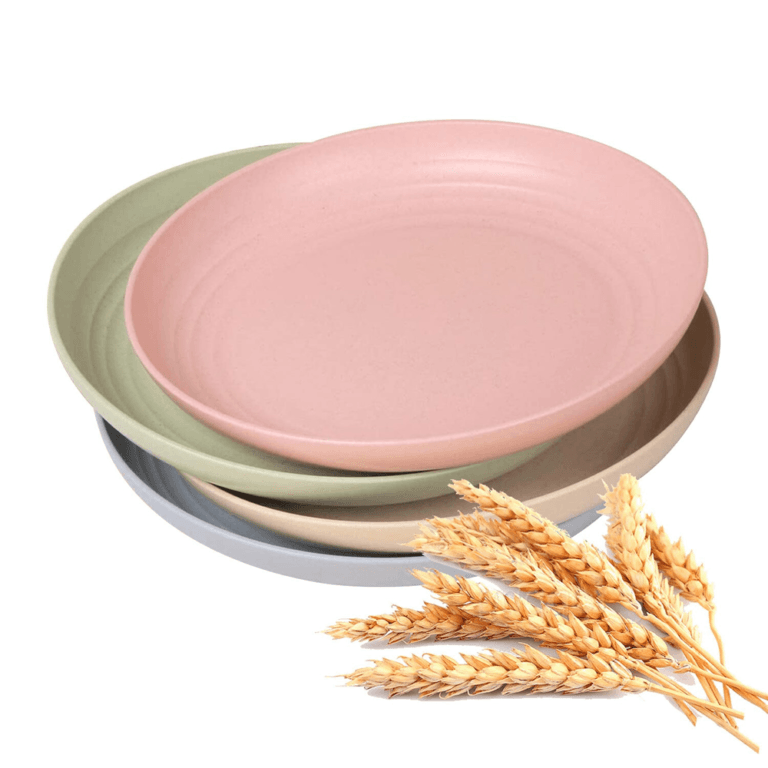
As the industry moves forward, so do the trends with it: disposable plates that don’t hurt the environment are already here.
Glass Transition Temperature: The Core Limitation
The key factor that limits PLA in hot food use is its glass transition temperature (Tg)—the point at which the material begins to soften and lose rigidity. For standard PLA: Tg typically ranges from 45°C to 55°C This is significantly lower than: Freshly prepared hot meals Hot soups, stews, and curries Steam-intensive rice and noodle dishes Microwave reheating temperatures Once PLA exceeds this range, deformation is no longer a possibility—it is an inevitability. What Happens When PLA Is Used for Hot Food
PLA Raw Material Overview
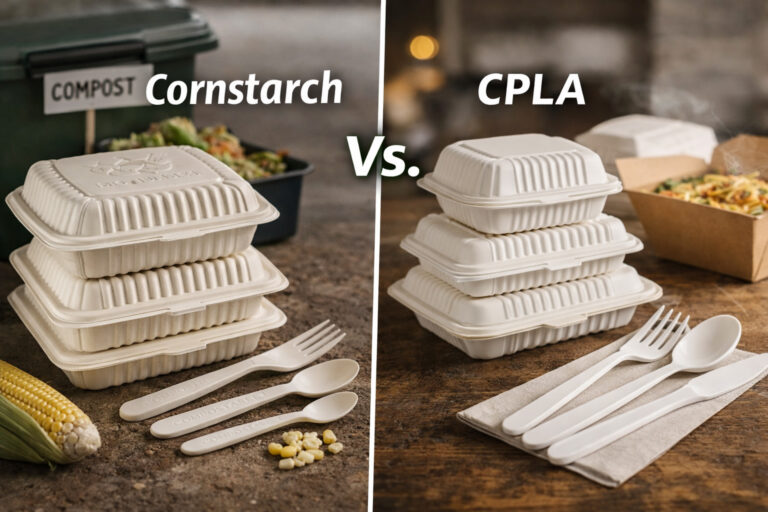
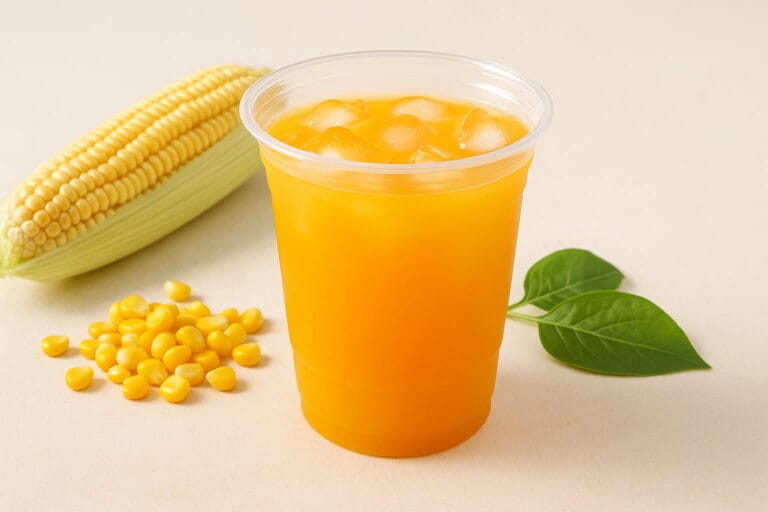
PLA Material Polylactic acid PLA is produced from fermented plant sugars—most commonly derived from corn or sugarcane — PLA heat resistance. These sugars are converted into lactic acid and polymerized into polylactic acid resin , PLA heat resistance. From an environmental perspective, PLA offers several advantages: Renewable raw material sourcing Reduced reliance on fossil fuels Industrial compostability under controlled conditions However, material origin does not determine thermal performance — PLA heat resistance.