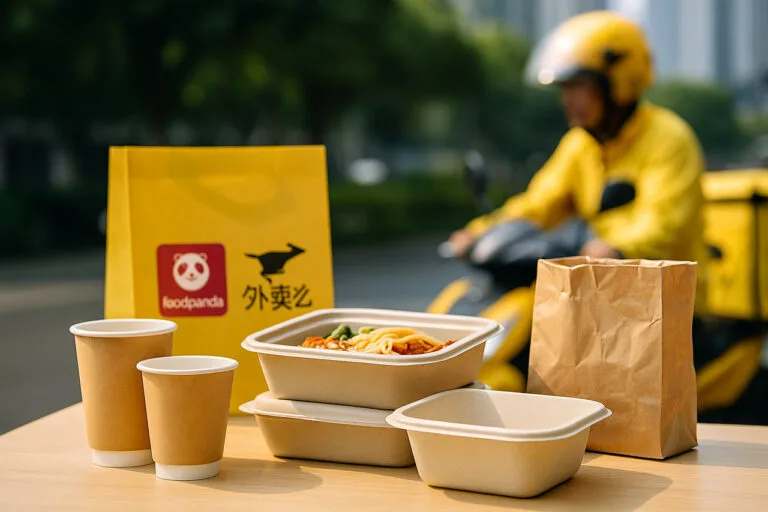
FAQ of Bioleader's Eco-friendly Disposable Tableware
What is bio plastic cutlery made from?
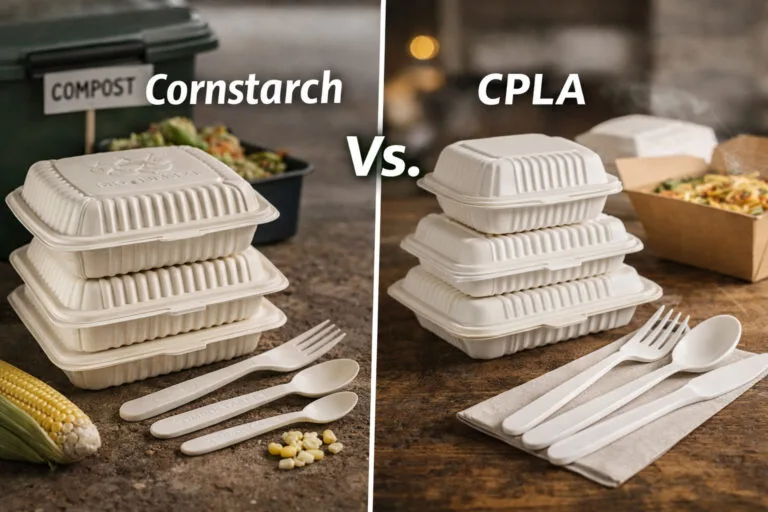
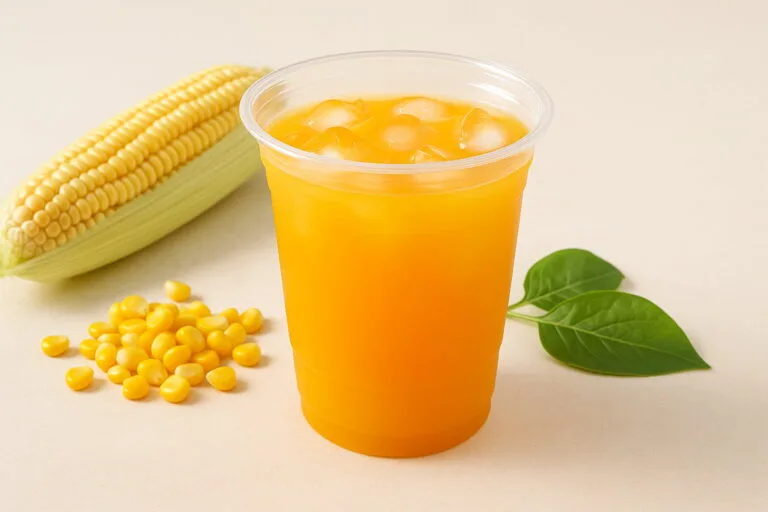
Bio plastic cutlery is typically made from renewable plant-based materials such as cornstarch, PLA, or sugarcane, making it biodegradable and compostable.
Why should businesses choose PLA spoons over traditional plastic?
Switching to PLA spoons helps reduce plastic waste, aligns with sustainability trends, meets consumer demand for green products, and supports environmental responsibility initiatives — PLA food packaging.
Are there trends toward more sustainable disposable tableware?
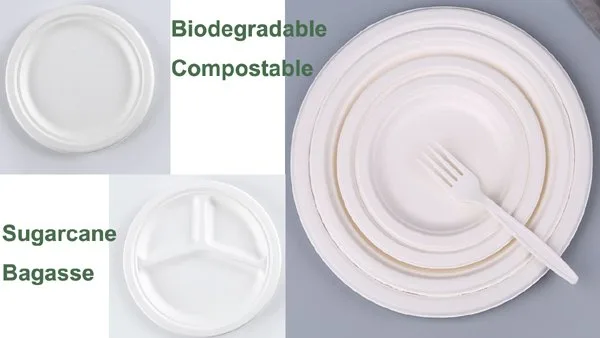
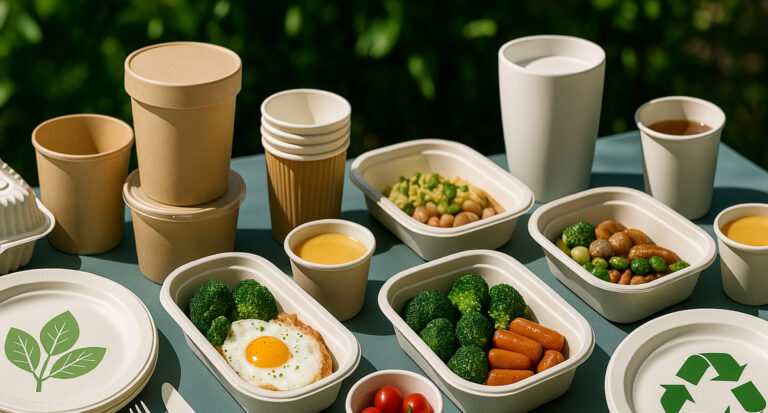
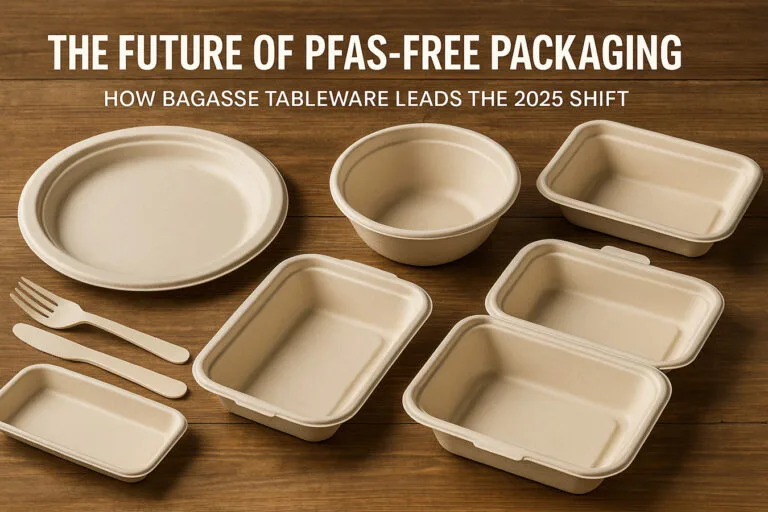
As the industry moves forward, so do the trends with it: disposable plates that don’t hurt the environment are already here.
Is PLA safe for food and beverages?
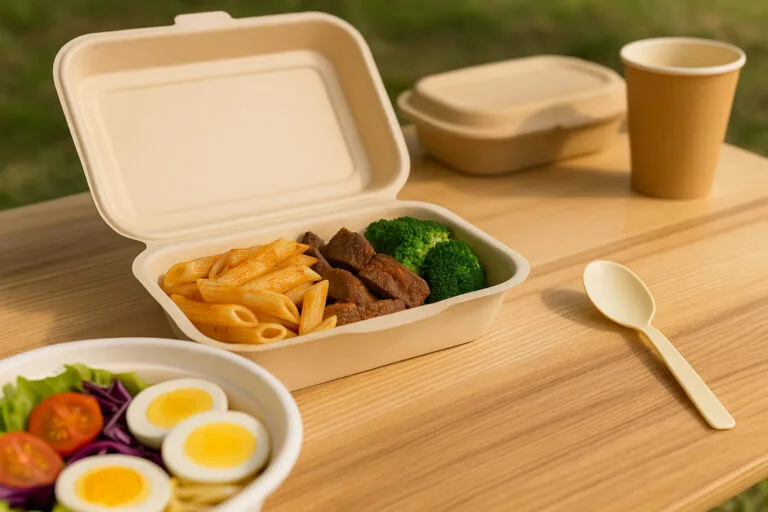
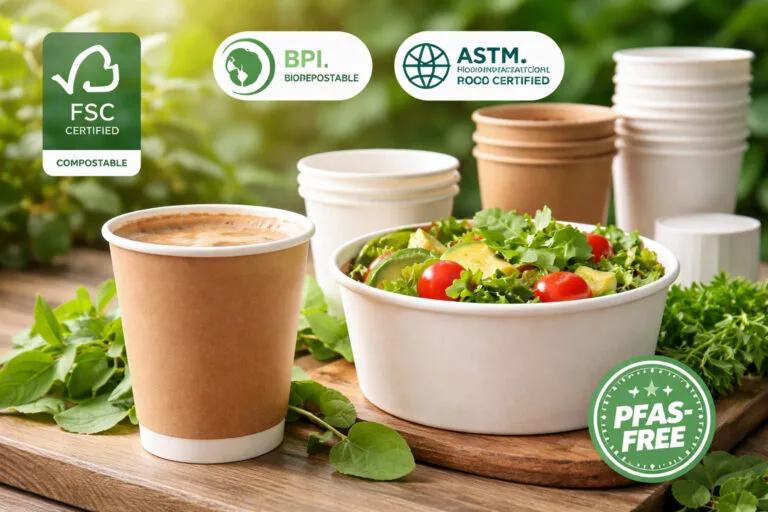
When produced by reputable manufacturers and used within its intended temperature range, PLA is considered safe for food-contact applications. It is widely used for cold beverage cups, salad boxes, clamshells and other packaging that directly touches food. Safety depends on compliance with relevant regulations (e.g., EU, FDA or other national food-contact requirements), quality control during production and appropriate use (for example, avoiding exposure to temperatures above its recommended limits).
Can PLA go into normal plastic recycling bins?
In most regions today, the answer is no , PLA food packaging. PLA has different melting and processing characteristics than PET or HDPE, so if it enters conventional plastic recycling streams in large quantities, it can contaminate the recycled resin. Some municipalities and private programs are beginning to pilot dedicated compostable or PLA-specific collection, but as of 2025–2026, these systems are still emerging — PLA food packaging. Always follow local guidance: in some markets, certified compostable items are sent to organic waste collection rather than plastics recycling.