FAQ of Bioleader's Eco-friendly Disposable Tableware
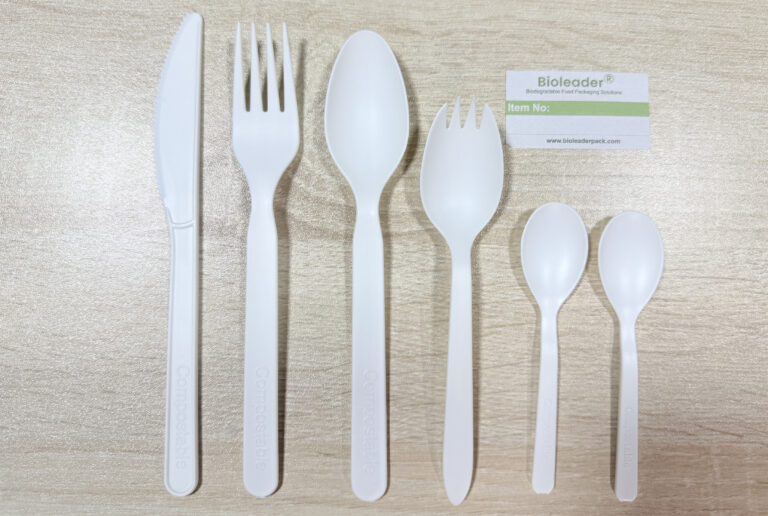
How long do biodegradable plastic forks and spoons take to decompose?
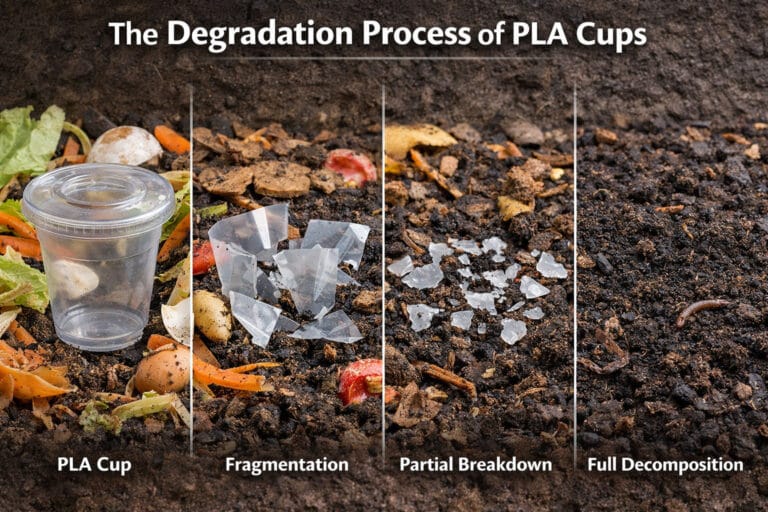
The decomposition time varies, but most biodegradable plastic cutlery will break down within 3 to 6 months in commercial composting facilities.
Why should businesses switch to environmentally friendly cutlery?
Switching to environmentally friendly cutlery helps reduce plastic waste, meets growing consumer demand for sustainable products, and enhances a business’s environmental reputation — PLA cups wholesale China.
What are Earth Friendly Utensils Disposable Cutlery made from?
Earth Friendly Utensils Disposable Cutlery is made from renewable plant-based materials like cornstarch or PLA, making them biodegradable and compostable — PLA cups wholesale China.
What is PLA?
PLA stands for Polylactic Acid, a biodegradable polyester derived from renewable plant resources. Instead of oil, PLA is made by fermenting sugars from corn starch, sugarcane, cassava, or other biomass into lactic acid, which is then polymerized into plastic. The result is a bioplastic resin that can be molded into products like cups, lids, or straws. PLA looks and feels like conventional petroleum-based plastic but is fully compostable under the right conditions.
1. Sustainability & Lower Carbon Footprint:
PLA cups are made from plants, not petroleum, which means their production can generate fewer greenhouse gas emissions than conventional plastic. Studies show that producing PLA emits significantly less CO₂ than producing materials like PET — PLA cups wholesale China. One life-cycle analysis found PLA had up to a 75% lower carbon footprint compared to many fossil-based plastics. This helps businesses reduce their environmental impact.