The 2025 Buyer’s Guide To Non Toxic Dinnerware Trends | Bioleader® Insights
Actionable coverage of non toxic dinnerware trends: eco-friendly, biodegradable, compostable materials, performance data, and compliance under EN13432 & ASTM D6400. Includes BPI/TÜV references and Food-Contact Tested guidance for safe deployment. Buyer-focused: manufacturer insights, bulk/wholesale buying playbooks, OEM/ODM customization tips, full size range selection.
non toxic dinnerware trends — Quick Summary
Items displayed (articles): 12
Last updated: 2025-02-20
Includes test data, compliance guides, buyer FAQs, and real-world use cases.
FAQ of Bioleader's Eco-friendly Disposable Tableware
Eco-Friendly and Biodegradable
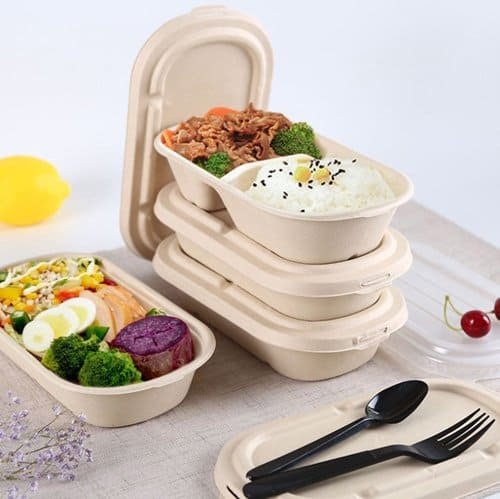
Serving as compostable food trays, our products get degraded over time when placed within activating environments, thus contributing towards minimal damage to the landfills while providing a much more environmentally friendly packaging. These bagasse food trays are not harmful to the environment which is a major shift towards a more responsible and eco-friendly practice instead of the use of plastic trays for food service.
Takeaway Meal Packaging
This tray is well suited for rice dishes, noodles, combo meals, grilled foods, and lunch sets , non toxic dinnerware trends. The 1000ml capacity provides enough space for practical single-meal portions.
Eco Friendly, Compostable, and Biodegradable
Our bagasse food trays are 100% compostable trays and biodegradable trays , non toxic dinnerware trends. They decompose naturally within a few months, reducing the burden on landfills and supporting circular waste management practices , non toxic dinnerware trends. Customers increasingly value this attribute, aligning their purchasing decisions with eco-friendly initiatives.
How do I properly dispose of non-toxic dinnerware?
The disposal method depends on the material. Biodegradable dinnerware can be composted in industrial composting facilities, while ceramic and porcelain products can be recycled if they are free from toxic glazes. Always check the manufacturer’s guidelines for the best disposal practices.
How can I tell if my dinnerware is non-toxic?
To ensure your dinnerware is non-toxic, look for certifications such as 'lead-free,' 'non-toxic,' or 'eco-friendly.' You can also check for third-party verifications and conduct a simple vinegar test to detect the presence of lead.