Non Toxic Dinnerware 101: What It Is, When To Use, And How To Choose | Bioleader® Guides
Actionable coverage of non toxic dinnerware: eco-friendly, biodegradable, compostable materials, performance data, and compliance under EN13432 & ASTM D6400. Includes BPI/TÜV references and Food-Contact Tested guidance for safe deployment. Buyer-focused: manufacturer insights, bulk/wholesale buying playbooks, OEM/ODM customization tips, full size range selection.
non toxic dinnerware — Quick Summary
Items displayed (articles): 12
Last updated: 2025-02-20
Includes test data, compliance guides, buyer FAQs, and real-world use cases.
FAQ of Bioleader's Eco-friendly Disposable Tableware
1. What are sugarcane bagasse molded pulp trays made from?
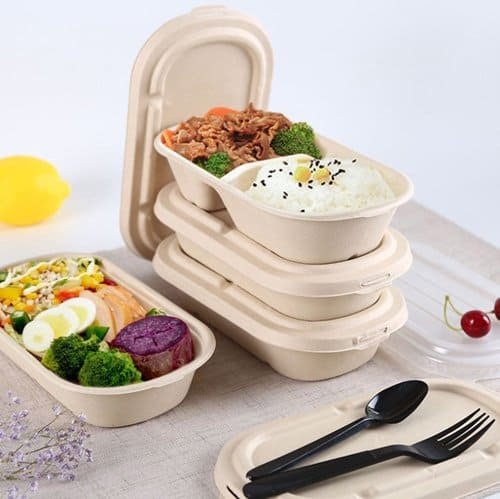
They are made from bagasse, the fibrous residue left after sugarcane stalks are crushed for juice. This agricultural waste is molded into strong, durable trays that are compostable, biodegradable, and plastic-free , non toxic dinnerware.
2. Are bagasse trays safe for hot and cold foods?
Yes. Bagasse trays are heat-resistant up to 120°C and freezer-safe, making them suitable for both hot meals and cold items. They are commonly used for takeout, school lunches, airline catering, and meal prep.
Eco Friendly, Compostable, and Biodegradable
Our bagasse food trays are 100% compostable trays and biodegradable trays — non toxic dinnerware. They decompose naturally within a few months, reducing the burden on landfills and supporting circular waste management practices. Customers increasingly value this attribute, aligning their purchasing decisions with eco-friendly initiatives.
Are all ceramic dinnerware products safe to use?
Not all ceramic dinnerware is safe. Some products, especially those with decorative glazes, may contain lead or cadmium. It is important to choose dinnerware from reputable manufacturers that adhere to strict safety standards and use non-toxic glazes.
What are the most common toxic chemicals found in traditional dinnerware?
Traditional dinnerware often contains harmful chemicals such as lead and cadmium, which are used in glazes to enhance color and durability — non toxic dinnerware. These substances can leach into food and pose serious health risks, including neurological disorders and hormonal imbalances.