Guide To Non Toxic Coffee Tableware: Materials, Standards & Best Practices | Bioleader® Sustainable Packaging
Actionable coverage of non toxic coffee tableware: eco-friendly, biodegradable, compostable materials, performance data, and compliance under EN13432 & ASTM D6400. Includes BPI/TÜV references and Food-Contact Tested guidance for safe deployment. Buyer-focused: manufacturer insights, bulk/wholesale buying playbooks, OEM/ODM customization tips, full size range selection.
non toxic coffee tableware — Quick Summary
Items displayed (articles): 12
Last updated: 2025-02-20
Includes test data, compliance guides, buyer FAQs, and real-world use cases.
FAQ of Bioleader's Eco-friendly Disposable Tableware
Food Delivery Special Trays
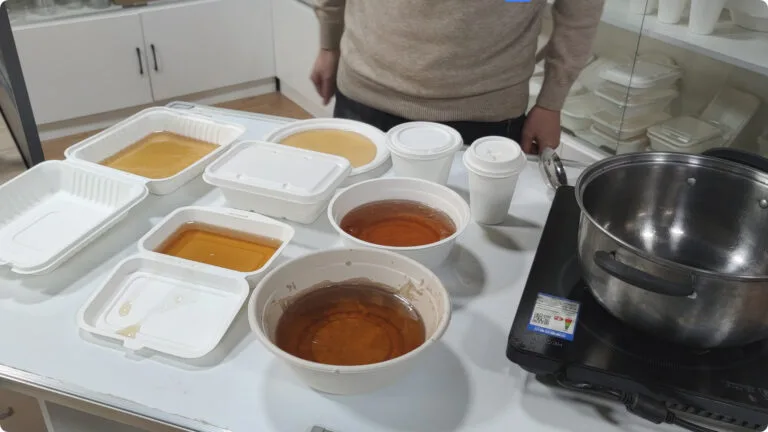
The specially designed trays made from mycelium won’t get affected by oil or water which means there will be no leaks during food delivery — non toxic coffee tableware. This incredible feature makes them suitable for numerous dishes, including those that include sauce or oil. Customers find it more appealing to order our branded takeaway trays with lids as they do not have to deal with any mess.
2. Are bagasse trays safe for hot and cold foods?
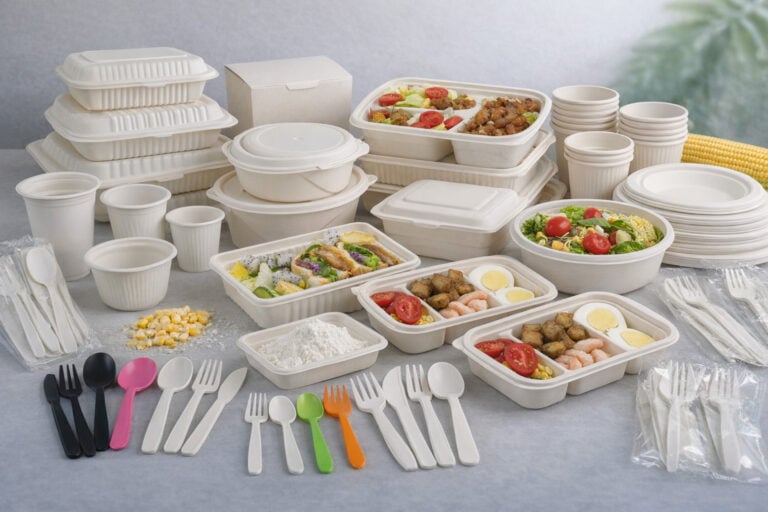
Yes. Bagasse trays are heat-resistant up to 120°C and freezer-safe, making them suitable for both hot meals and cold items. They are commonly used for takeout, school lunches, airline catering, and meal prep.
2. Are molded pulp trays microwave- and freezer-safe?
Yes. Sugarcane bagasse trays are heat-resistant up to 120°C and freezer-safe down to -10°C — non toxic coffee tableware. They can be used for hot meals, chilled foods, and even reheating in the microwave without losing structural integrity.
How can I tell if my dinnerware is non-toxic?
To ensure your dinnerware is non-toxic, look for certifications such as 'lead-free,' 'non-toxic,' or 'eco-friendly.' You can also check for third-party verifications and conduct a simple vinegar test to detect the presence of lead , non toxic coffee tableware.
What are the most common toxic chemicals found in traditional dinnerware?
Traditional dinnerware often contains harmful chemicals such as lead and cadmium, which are used in glazes to enhance color and durability. These substances can leach into food and pose serious health risks, including neurological disorders and hormonal imbalances.