Non Toxic Bowls Vs Alternatives: Cost, Performance, Sustainability | Bioleader® Insights
Actionable coverage of non toxic bowls: eco-friendly, biodegradable, compostable materials, performance data, and compliance under EN13432 & ASTM D6400. Includes BPI/TÜV references and Food-Contact Tested guidance for safe deployment. Buyer-focused: manufacturer insights, bulk/wholesale buying playbooks, OEM/ODM customization tips, full size range selection.
non toxic bowls — Quick Summary
Items displayed (articles): 12
Last updated: 2025-02-20
Includes test data, compliance guides, buyer FAQs, and real-world use cases.
FAQ of Bioleader's Eco-friendly Disposable Tableware
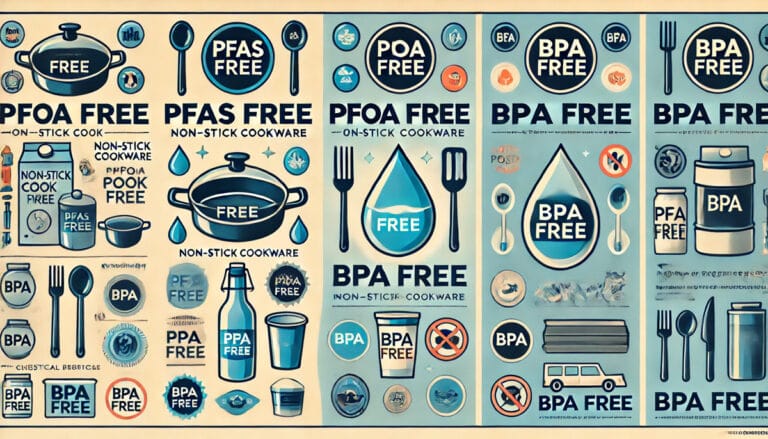
Ensure safety with products that are free of PFAS and BPA
Health comes first. Safety is further guaranteed when you’ve got our trays with lids that don’t have PFAS and BPA in them, two neatly packed chemicals that bring peace to the consumer as they do not have any synthetic materials that pose health risks. So, you know that our products are safe and clean when it comes to packaging and using them.
For Takeaway, Restaurants, and Food Delivery
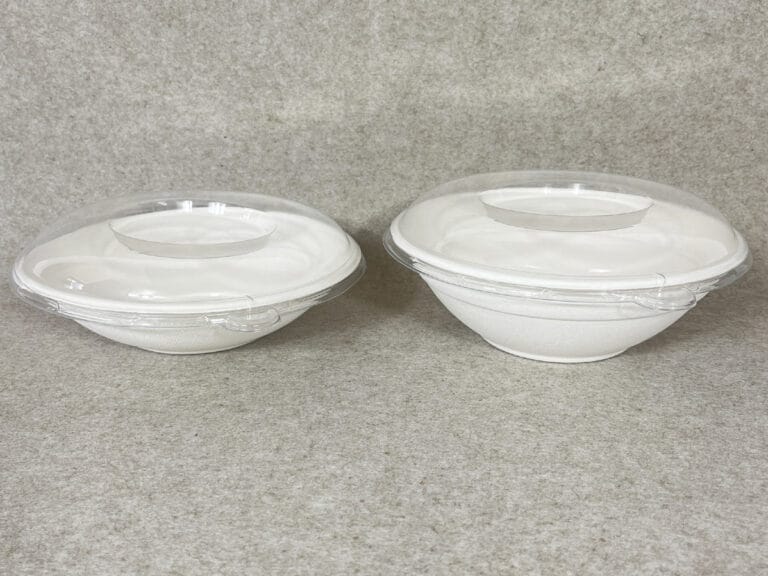
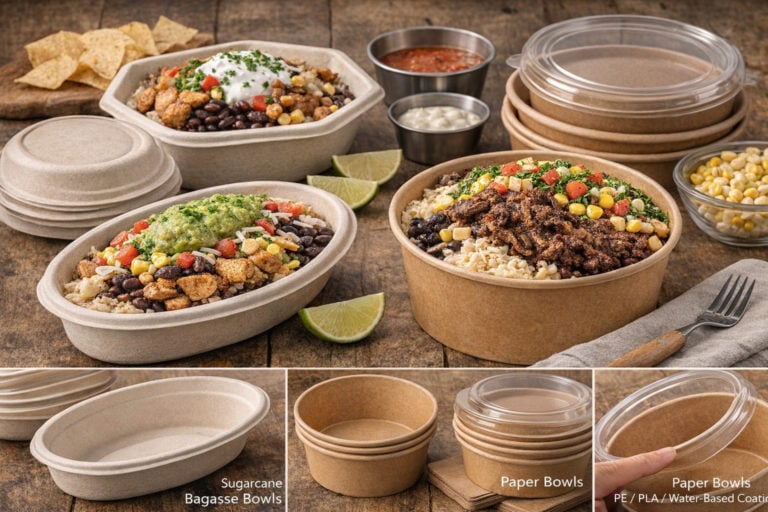
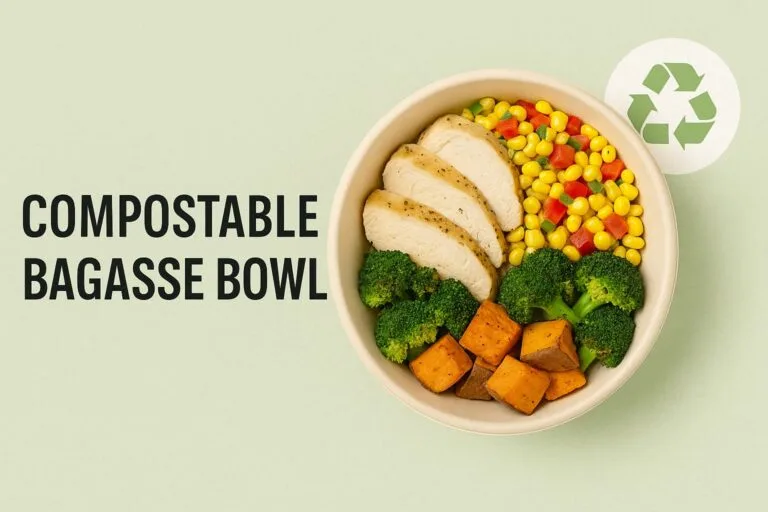
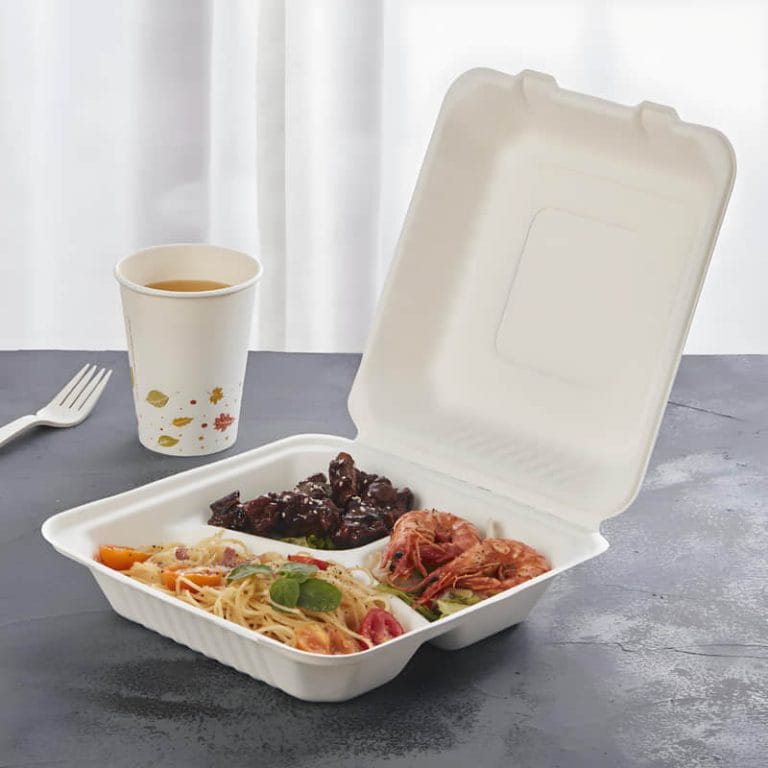
Molded pulp trays are perfect for takeaway, restaurant packaging, and food delivery. Their eco-friendly properties enhance brand reputation, while their practical features ensure reliable food containment — non toxic bowls. Whether for individual meals or bulk catering, bagasse pulp trays are designed to perform without compromising on sustainability. Meeting Consumer Demand for Green Packaging As a Chinese factory and manufacturer, we offer high-quality molded pulp trays at competitive wholesale prices.
1. What are eco friendly trays with lids made from?
They are commonly made from compostable materials like sugarcane bagasse, bamboo fiber, kraft paper, or PLA (plant-based bioplastic). These materials are biodegradable and offer a sustainable alternative to plastic and foam trays — non toxic bowls.
How can I tell if my dinnerware is non-toxic?
To ensure your dinnerware is non-toxic, look for certifications such as 'lead-free,' 'non-toxic,' or 'eco-friendly.' You can also check for third-party verifications and conduct a simple vinegar test to detect the presence of lead — non toxic bowls.
What are the most common toxic chemicals found in traditional dinnerware?
Traditional dinnerware often contains harmful chemicals such as lead and cadmium, which are used in glazes to enhance color and durability. These substances can leach into food and pose serious health risks, including neurological disorders and hormonal imbalances.