The 2025 Buyer’s Guide To Microwave-safe Bagasse Containers | Bioleader® Guides

Actionable coverage of microwave-safe bagasse containers: eco-friendly, biodegradable, compostable materials, performance data, and compliance under EN13432 & ASTM D6400. Includes BPI/TÜV references and Food-Contact Tested guidance for safe deployment. Buyer-focused: manufacturer insights, bulk/wholesale buying playbooks, OEM/ODM customization tips, full size range selection.
Quick Summary:
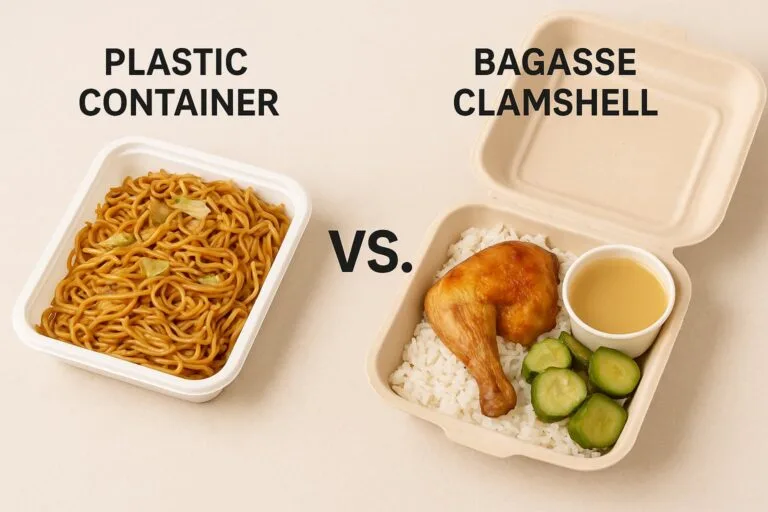
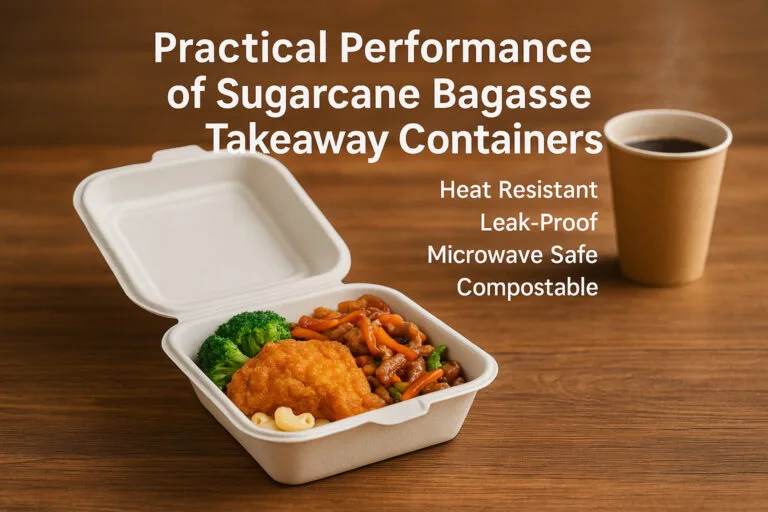
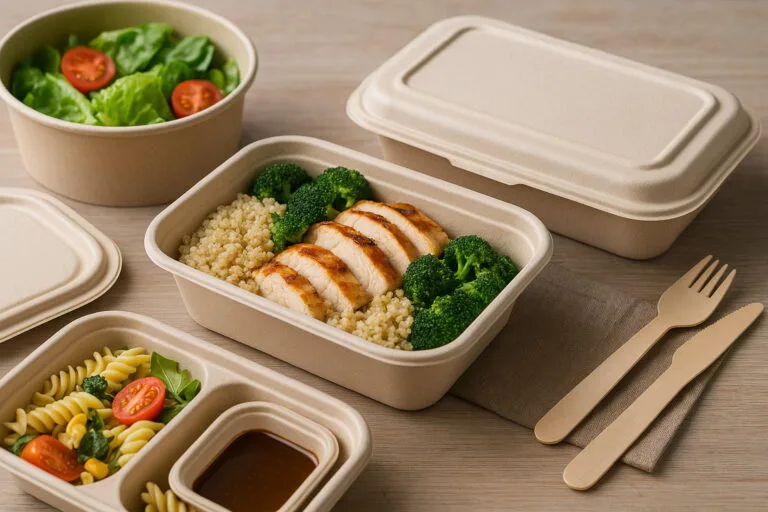
Many plastic or foam takeout boxes falter when handling hot, greasy, or saucy foods—they warp, leak, retain odors, and contain harmful chemicals. Bagasse clamshell boxes, molded from sugarcane fibers, offer heat resistance, structural strength, and natural oil-blocking without plastic or PFAS coatings. These compostable containers maintain integrity during transport, guard flavor, meet industrial compost standards, and align with sustainability goals—all while reinforcing food safety, brand trust, and regulatory compliance.
microwave-safe bagasse containers — Quick Summary
  • Items displayed (articles): 12
  • Last updated: 2025-08-13
  • Includes test data, compliance guides, buyer FAQs, and real-world use cases.

Editor’s Picks: Top Microwave-safe Bagasse Containers Guides 2025

FAQ of Bioleader's Eco-friendly Disposable Tableware

Are sugarcane bagasse 3-compartment containers biodegradable?

Yes, they fully decompose in 90–120 days under industrial composting conditions.

Can sugarcane pulp trays be purchased in bulk with custom branding?

Yes. Most manufacturers offer bulk wholesale with custom branding options, including embossing, logo printing, and private label packaging—ideal for restaurants, food manufacturers, and eco-conscious distributors.

Are trays with lids suitable for both hot and cold meals?

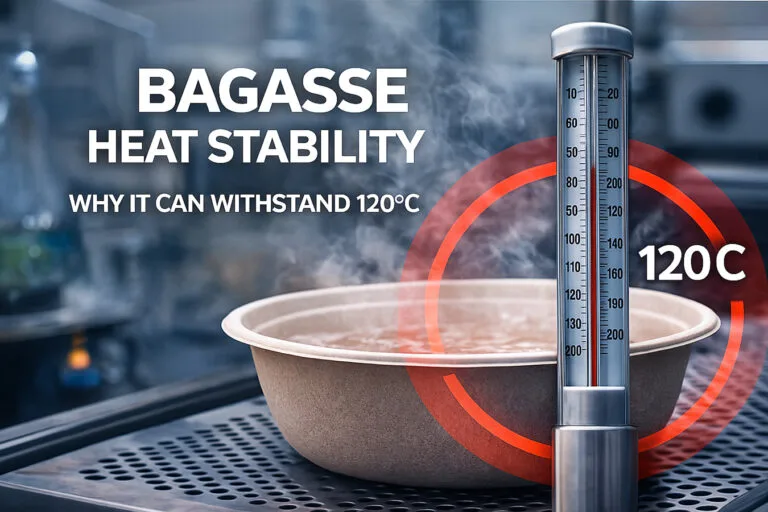
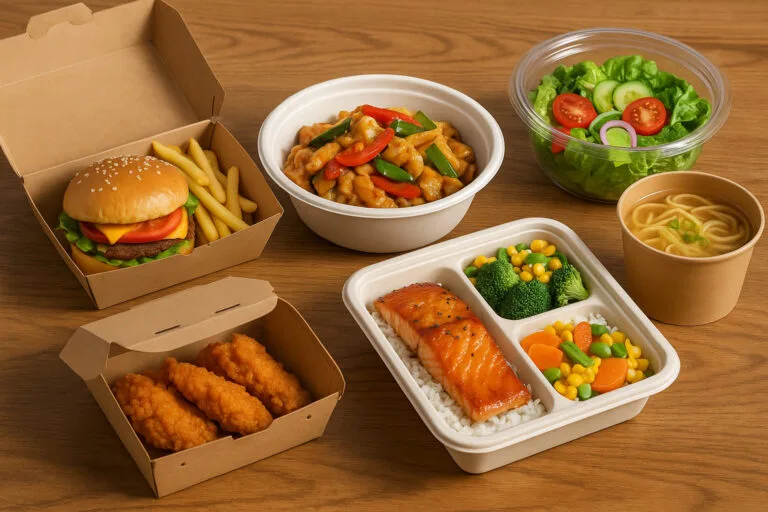
Yes. High-quality eco trays are heat-resistant up to 120°C and freezer-safe. They’re ideal for packing hot dishes like rice and curries or cold items like salads, desserts, and refrigerated meals.

How long does it take for bagasse clamshell boxes to decompose?

Under industrial composting conditions, certified bagasse containers typically break down within 60–90 days, leaving no toxic residue , microwave-safe bagasse containers.

1. Poor Heat Resistance & Food Safety Risks

Most traditional plastic takeaway boxes—especially polystyrene (foam) and polypropylene (PP)—are designed for convenience, not heat endurance. When exposed to temperatures above 60–70 °C, they begin to soften or release microplastics , microwave-safe bagasse containers. Some plastics may leach bisphenol A (BPA) or phthalates into food, which studies link to endocrine disruption and other health risks. For example, a 2024 FDA report highlighted that BPA migration increases by 60% when plastic containers hold hot, oily food , microwave-safe bagasse containers.

Related Insights

🚀Ready to Go Green and Choose ?

Join the global movement toward zero-waste packaging.


Bioleader® offers:

  • 📦 Bulk order support & fast delivery

  • ✍️ Custom branding and OEM solutions

  • 🌍 Worldwide eco-packaging compliance

Get the Catalogue Products List  & Contact Us Now! 👉

Contact us Below

Click or drag files to this area to upload.You can upload up to 5 files.
The more details you share, the faster and more accurate our quotation will be.