Hot Cup Vs Alternatives: Cost, Performance, Sustainability | Bioleader® Sustainable Packaging

Browse articles grouped under the "Hot Cup" tag for topic-specific information and examples. The featured articles may approach the topic from different product, material, application, market, or sourcing perspectives. Check each article for its exact scope, technical data, standards, sources, and recommendations.
Hot Cup — Content Overview
  • Featured articles shown: 12
  • Directly tagged articles: 1
  • Latest tagged article update: 2026-10-24
  • Coverage, examples, and specific recommendations vary by individual article.

Editor's Picks: Top Hot Cup Guides 2026

FAQ of Bioleader's Eco-friendly Disposable Tableware

What is the capacity of a 1000ml rectangular paper salad bowl?

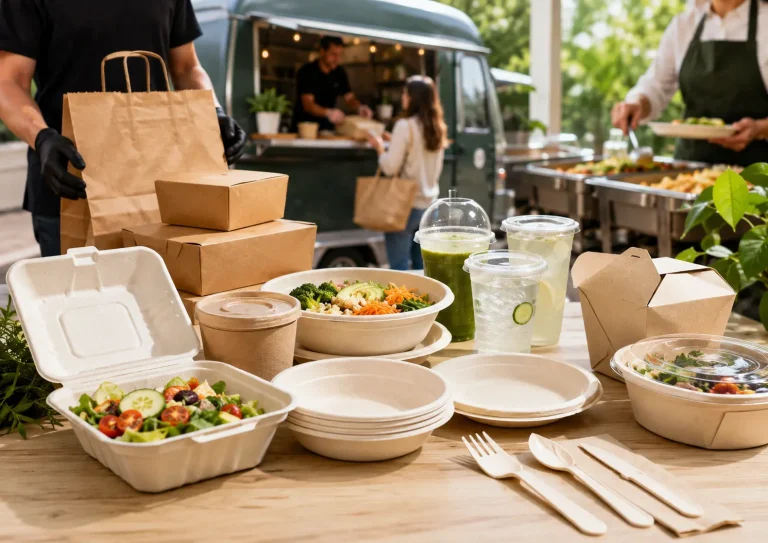
A 1000ml rectangular paper salad bowl is designed for large single-serve or meal portions. It is commonly used for salads, rice bowls, sushi-style meals, cold noodles, pasta, desserts, side dishes, and takeaway meals. For buyers building a wider rectangular bowl range, 1000ml can be paired with 500ml, 650ml, and 750ml rectangular paper bowls.

Which lid should I choose for 1200-1400ml square paper salad bowls?

PP lids are recommended when the buyer needs stacking strength, takeaway handling, and delivery stability. PET lids are suitable when product visibility is important for chilled salads, supermarket display, deli counters, and grab-and-go food programs. The final choice should match menu type, display needs, transport distance, and brand positioning.

What is the capacity of a 1500ml paper salad bowl?

A 1500ml paper salad bowl is designed for extra-large single-serve, sharing, or family-size portions. It is commonly used for salads, rice bowls, poke bowls, cold noodles, pasta, fruit portions, desserts, side dishes, and takeaway meals. For buyers building a wider foodservice range, 1500ml can be paired with 500ml, 750ml, 1000ml, 1090ml, 1200ml, and 1300ml paper salad bowls.

PET / PP Plastic Cups (Cold Only)

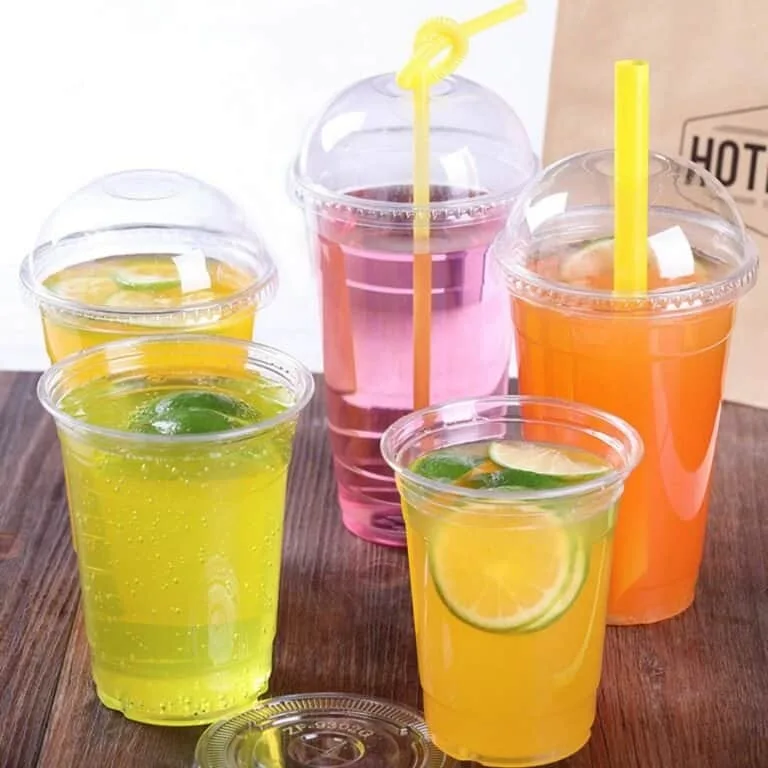
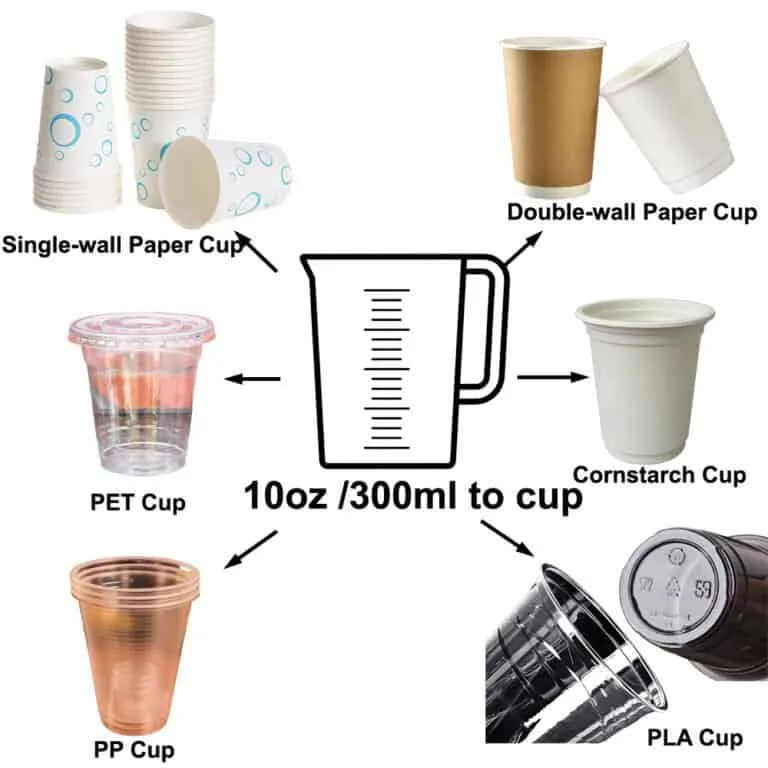
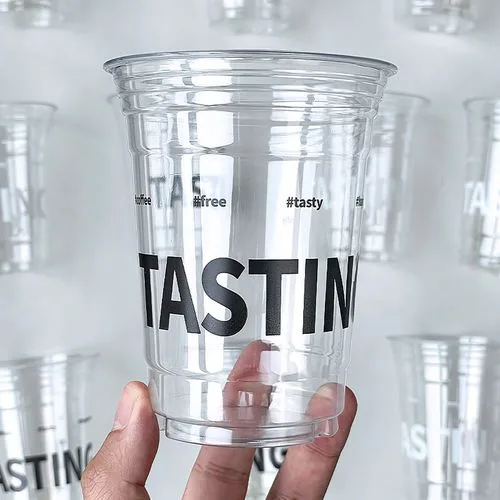
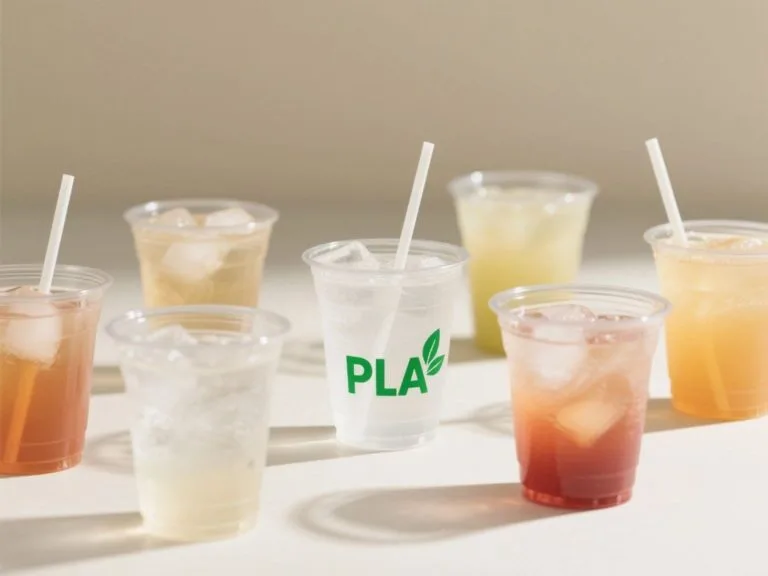
Conventional plastic cups remain widely used for cold beverages — Hot Cup. 8oz PET Cups Advantages: Excellent clarity (PET) Strong impact resistance Cost-effective at high volumes Limitations: Petroleum-based Increasing regulatory pressure in many markets 3.Temperature Performance: What Happens If You Use the Wrong Cup?   Using the wrong cup type is one of the most common (and costly) mistakes , Hot Cup. Scenario Result Hot drink in PLA cold cup Cup softens, warps, potential leakage Iced drink in thin hot paper cup Condensation weakens structure Soup in standard cold cup Lid failure, safety risk Hot coffee in PET cup Deformation, chemical safety concerns Rule of thumb: Temperature compatibility matters more than appearance — Hot Cup.

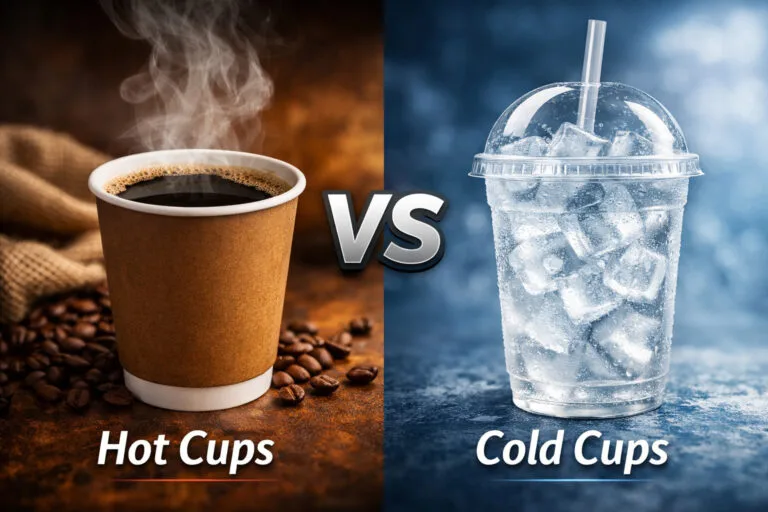
Cold Cups

Cold cups are optimized for beverages served between 0–40°C (32–104°F). Common applications: Iced coffee Smoothies Bubble tea Soft drinks and juices Key design requirements: Condensation resistance Transparency for visual appeal Crack resistance at low temperatures 2. Material Differences: Why Hot Cups and Cold Cups Are Not Interchangeable The material choice is the core difference between hot cups and cold cups.

Related Insights

🚀Ready to Go Green and Choose ?

Join the global movement toward zero-waste packaging.


Bioleader® offers:

  • 📦 Bulk order support & fast delivery

  • ✍️ Custom branding and OEM solutions

  • 🌍 Worldwide eco-packaging compliance

Get the Catalogue Products List  & Contact Us Now! 👉

Contact Us for Quote

Click or drag files to this area to upload.You can upload up to 5 files.
The more details you share, the faster and more accurate our quotation will be.