Trends In High Quality Disposable Bowls: Market Insights, Innovations & FAQs | Bioleader® Guides
Actionable coverage of high quality disposable bowls: eco-friendly, biodegradable, compostable materials, performance data, and compliance under EN13432 & ASTM D6400. Includes BPI/TÜV references and Food-Contact Tested guidance for safe deployment. Buyer-focused: manufacturer insights, bulk/wholesale buying playbooks, OEM/ODM customization tips, full size range selection.
FAQ of Bioleader's Eco-friendly Disposable Tableware
Is BPI compostable cutlery suitable for hot foods?
Yes, BPI compostable cutlery is designed for strength and durability, making it suitable for use with both hot and cold foods in restaurants, catering, and events.
What is a PLA spoon compostable plastic spoon made from?
PLA spoons are made from polylactic acid, a plant-based bioplastic derived mainly from renewable resources like corn starch, making them biodegradable and compostable.
What is a compostable spork made of?
A compostable spork is typically made from cornstarch or other plant-based bioplastics, making it biodegradable and environmentally friendly compared to traditional plastic cutlery.
1.4 Cupstock Paper
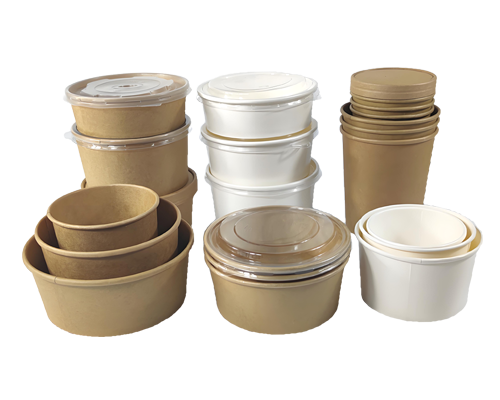
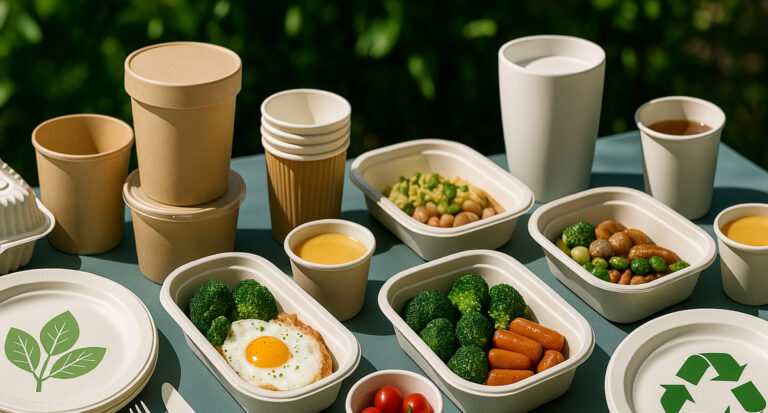
Cupstock paper is a type of paperboard designed for holding liquids. It is often used for coffee cups, soup bowls, and ice cream containers. Cupstock paper bowls are usually lined with plastic or bioplastic (PLA), which can be compostable under the right conditions , high quality disposable bowls. Pros: Smooth surface suitable for high-quality prints Strong and reliable for holding hot liquids Compostable if PLA lining is used Cons: Plastic lining complicates recycling and composting Not as eco-friendly as fiber-based alternatives like bagasse
1.1 Standard Paper
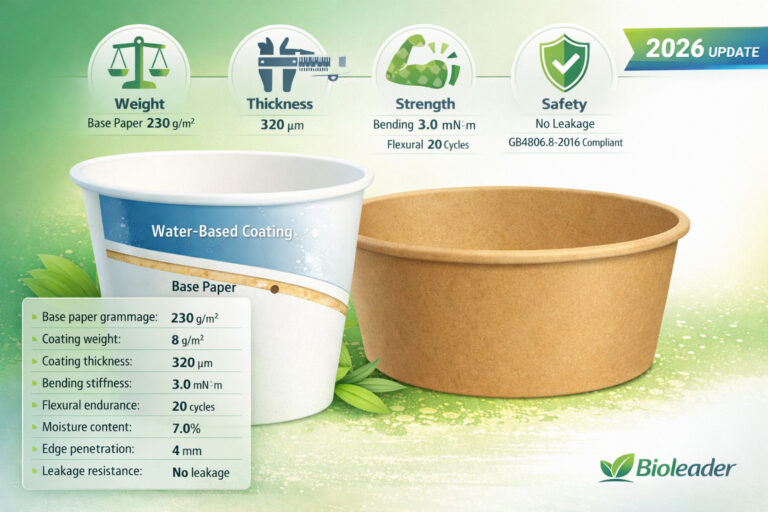
Standard paper bowls are typically coated to make them moisture-resistant, allowing them to hold hot or wet foods like soup or chili. However, the lining used for moisture resistance often contains plastic, which can make these bowls non-compostable , high quality disposable bowls. While the paper itself is biodegradable, the plastic lining complicates recycling and composting. Pros: Inexpensive and widely available Lightweight Customizable with printing for branding purposes Cons: Plastic coating makes them non-compostable Limited durability under heat or moisture if the lining is thin — high quality disposable bowls.