FAQ of Bioleader's Eco-friendly Disposable Tableware
Are PLA spoons suitable for hot and cold foods?
Yes, PLA spoons are designed to handle both hot and cold foods. They are durable and heat-resistant, making them suitable for various dining and food service applications.
Can Earth Friendly Utensils be customized for branding?
Absolutely — environmentally friendly packaging. Bioleader offers customizable packaging and logo printing options, allowing businesses to enhance their brand and promote sustainability.
Why should businesses switch to earth friendly disposable cutlery?
Switching to earth friendly disposable cutlery helps reduce plastic waste, meets eco-conscious consumer demand, and positions a business as a leader in sustainability , environmentally friendly packaging.
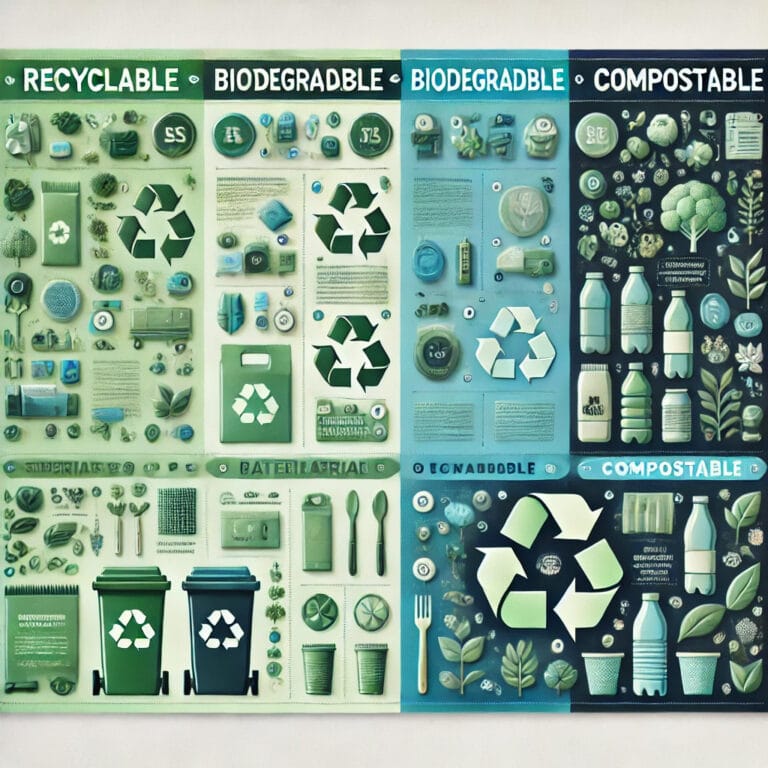
What is Recyclable Packaging?
Recyclable packaging consists of materials that can be collected, processed, and transformed into new products. Common recyclable materials include: Metals (aluminum cans, tin cans) Glass (bottles, jars) Paper & Cardboard (corrugated boxes, newspapers) Certain Plastics (PET, HDPE, PP) Advantages: Reduces resource extraction (e.g., recycling aluminum saves up to 95% of the energy required for new aluminum production). Minimizes landfill waste and pollution. Can be recycled multiple times, especially metals and glass.
What is Biodegradable Packaging?
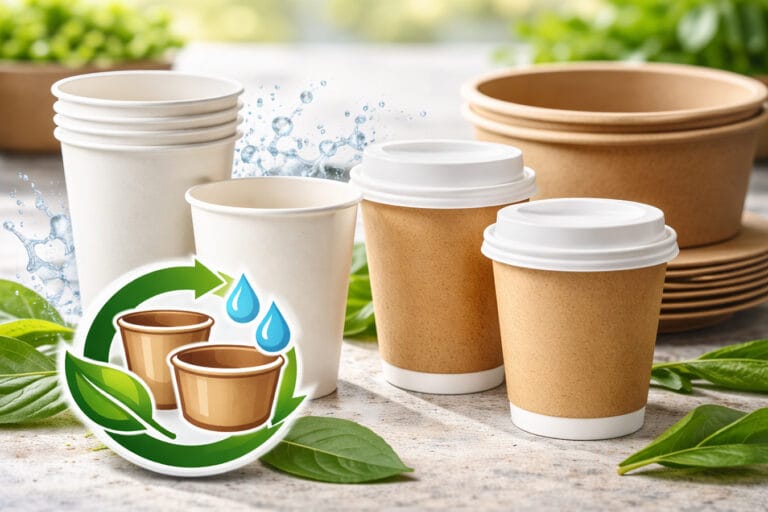
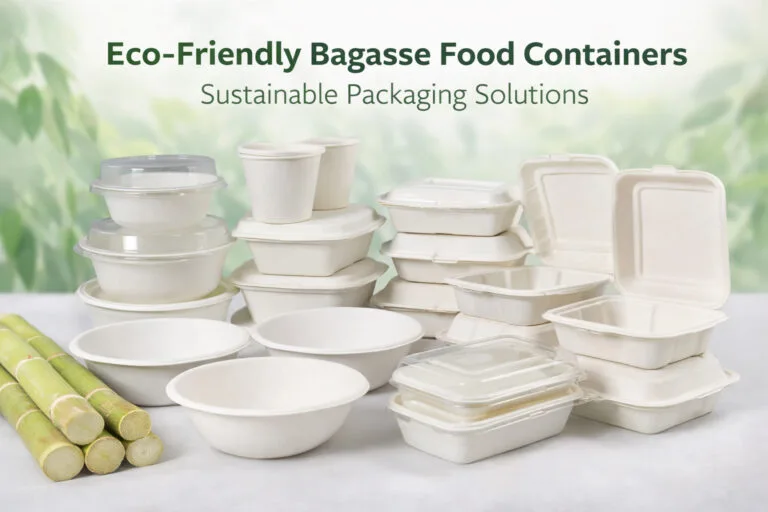
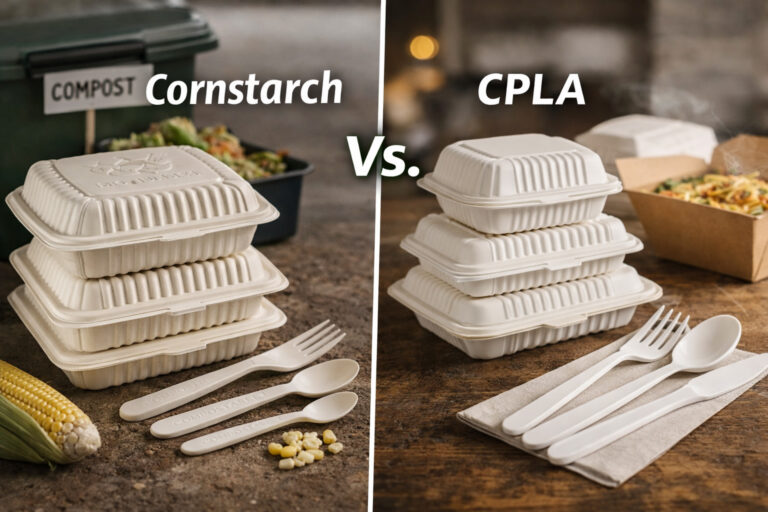
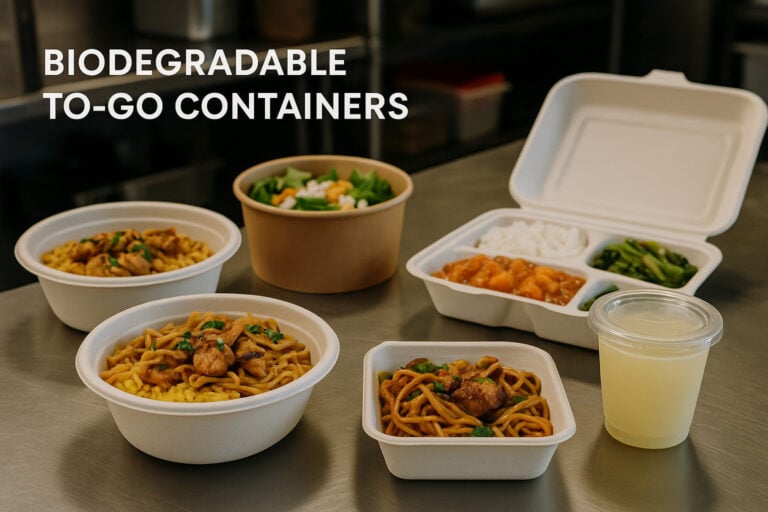
Biodegradable packaging naturally breaks down into water, CO₂, and biomass through microbial action — environmentally friendly packaging. However, biodegradability depends on specific environmental conditions (temperature, moisture, microbial presence). Advantages: Reduces long-term plastic pollution. Can be derived from renewable materials (e.g., cornstarch, sugarcane, bamboo).