FAQ of Bioleader's Eco-friendly Disposable Tableware
2. What materials are available for disposable food trays with lids?
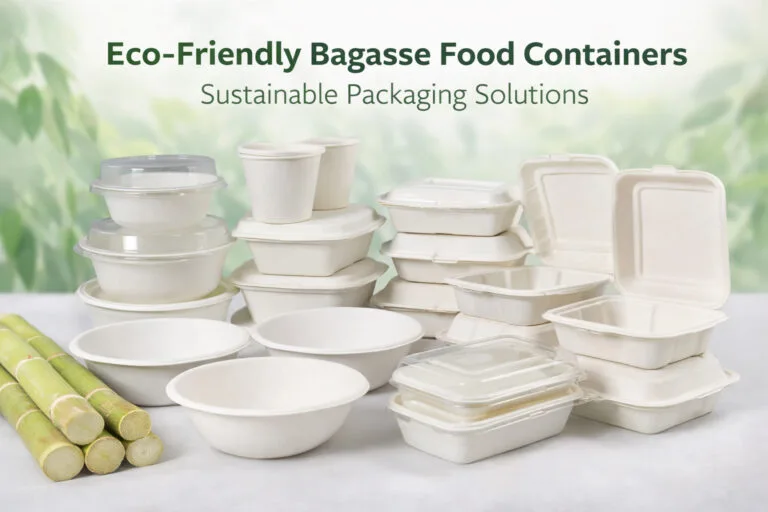
Common materials include sugarcane bagasse, kraft paper, aluminum, PET, PP, and PLA. For eco-conscious businesses, bagasse and PLA trays are preferred due to their compostable and biodegradable properties.
2. Are takeaway containers with lids microwave-safe?
Yes, many takeaway containers—especially those made from sugarcane bagasse or microwave-safe plastics—are designed to withstand high temperatures — environmentally friendly disposable cups. Always check the specific material to ensure safe reheating.
2. What materials are commonly used for takeaway trays with lids?
These trays are typically made from sugarcane bagasse, kraft paper, aluminum, or plastic (PP or PET). Eco-friendly versions are made from compostable materials like molded fiber or PLA, offering sustainable alternatives to plastic foam trays , environmentally friendly disposable cups.
What is PLA Exactly?
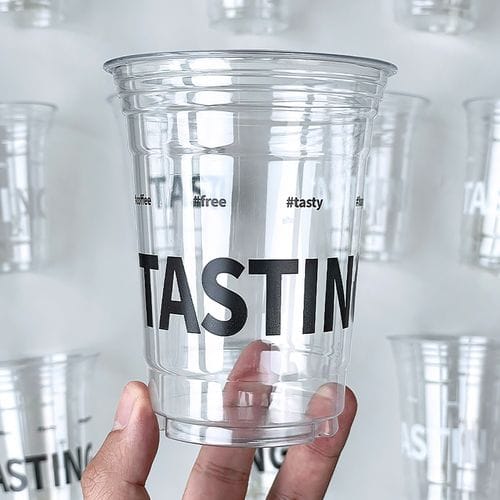
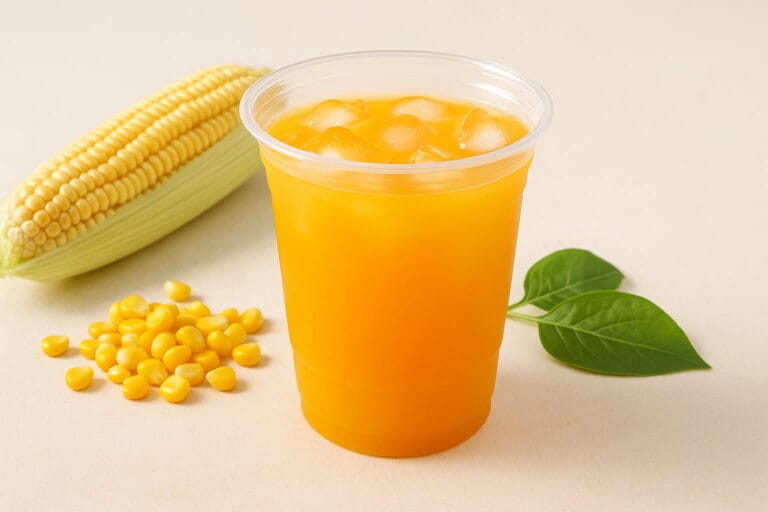
PLA, or Polylactic Acid, is a revolutionary plant-based biopolymer that offers a sustainable alternative to conventional petroleum-based plastics.Unlike traditional plastics from finite fossil fuels, PLA cups are made from renewable agricultural resources—primarily corn starch, sugarcane, or cassava — environmentally friendly disposable cups. The production of PLA begins by extracting starches or sugars from plants. Microorganisms then ferment these carbohydrates into lactic acid. Through a process called polymerization, lactic acid molecules are linked together to form long chains, creating a versatile and compostable resin—PLA.This resin can then be molded into various forms, including clear PLA cups, compostable PLA cups, food containers, and even biodegradable straws.
Are PLA cups recyclable?
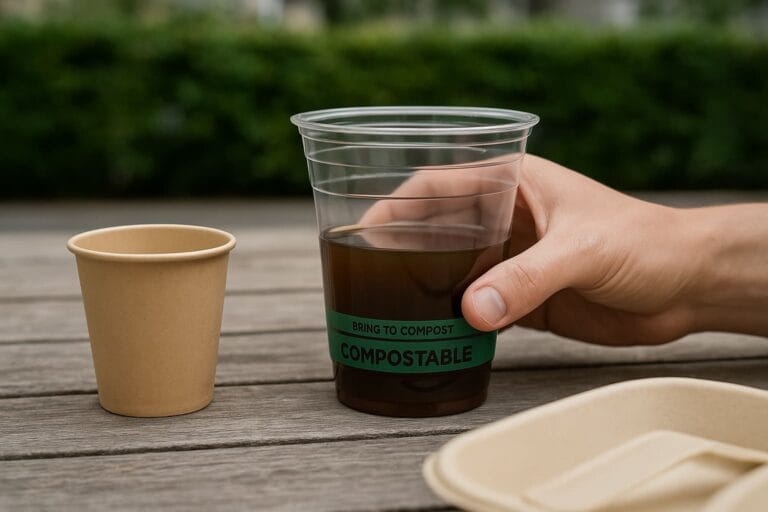
PLA cups are not recyclable through standard plastic recycling streams. They must be processed in composting facilities equipped to handle bioplastics. Always check local disposal guidelines.