FAQ of Bioleader's Eco-friendly Disposable Tableware
Can compostable plastic forks and spoons be customized with our logo?
Many manufacturers and suppliers offer customization options for compostable cutlery, including logo printing, unique colors, or special packaging. This service helps businesses promote their brand while staying sustainable.
Can PLA spoons be customized for business branding?
Absolutely. PLA spoons can be ordered with customizable packaging and logo printing to support branding for restaurants, catering, and food delivery businesses.
How do biodegradable spoons and forks help the environment?
Seen from a larger ecological perspective, biodegradable spoons and forks are assisting in the cutting of plastic waste and fostering sustainable consumption.
Bagasse Material and Composition
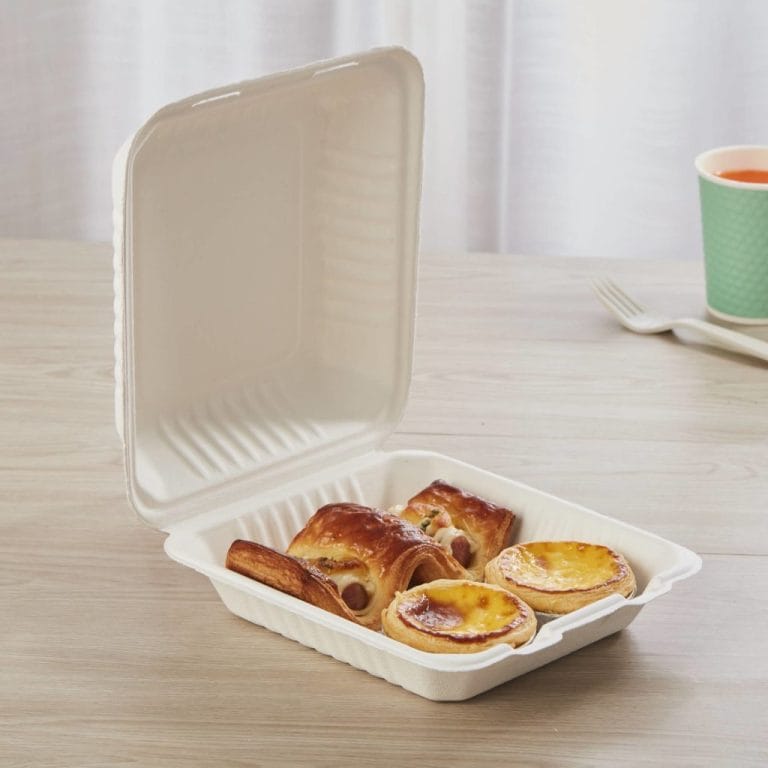
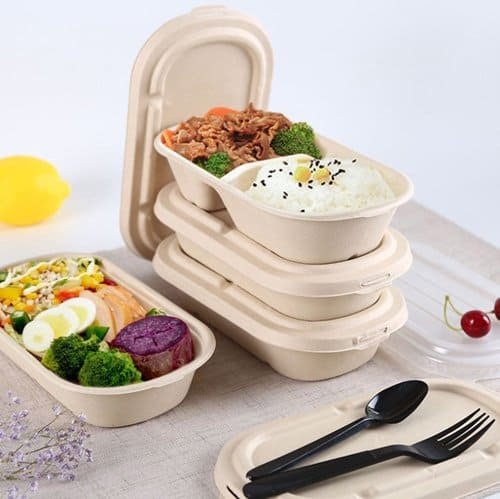
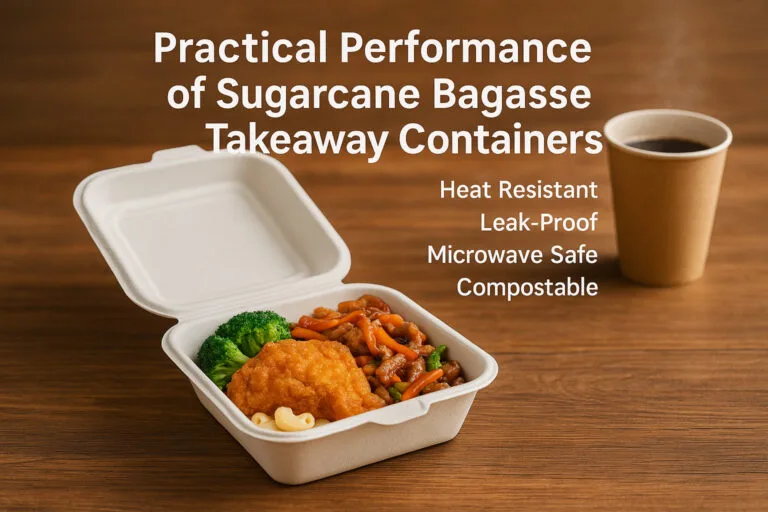
Bagasse material is created during the sugar production process , Environmental Sustainability. Once sugarcane is harvested and transported to mills, it is washed and crushed to extract sugar-rich juice , Environmental Sustainability. The leftover fibrous pulp — bagasse — is then collected, dried, and further processed.This raw material is rich in cellulose (about 45–55%), hemicellulose (20–25%), and lignin (18–24%), giving it the required strength and structural integrity for product manufacturing.The resulting bagasse pulp can be refined and molded into a variety of forms, ranging from disposable food containers and bowls to paper and bioenergy pellets.
Is Bagasse Compostable?
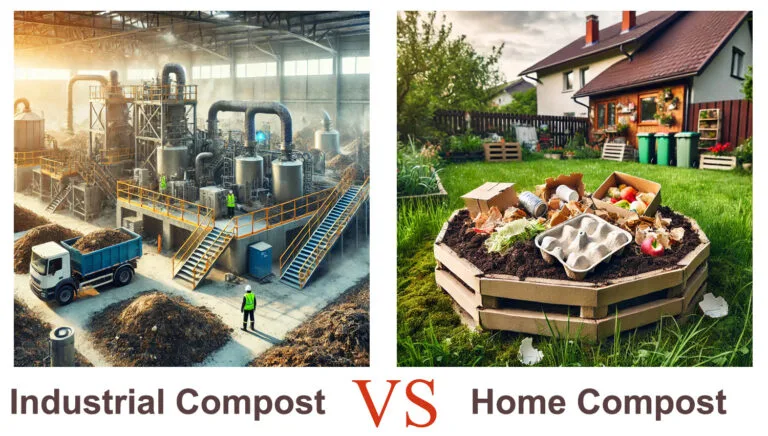
Absolutely. Bagasse is classified as compostable under global standards, including EN13432 (EU), ASTM D6400 (USA), and the Australian AS 4736. According to EPA and BPI guidelines, compostable bagasse foodservice items will decompose within 60–90 days in commercial composting facilities.This process returns nutrients to the soil without leaving harmful residues or microplastics, making bagasse a preferred material for eco-conscious brands and municipalities implementing plastic bans.In summary, is bagasse compostable is no longer in question — it is an industry-leading solution for disposable and to-go food packaging — Environmental Sustainability. What is Bagasse Used For?