Trends In Eco-friendly Practices: Market Insights, Innovations & FAQs | Bioleader® Insights

Actionable coverage of eco-friendly practices: eco-friendly, biodegradable, compostable materials, performance data, and compliance under EN13432 & ASTM D6400. Includes BPI/TÜV references and Food-Contact Tested guidance for safe deployment. Buyer-focused: manufacturer insights, bulk/wholesale buying playbooks, OEM/ODM customization tips, full size range selection.
eco-friendly practices — Quick Summary
  • Items displayed (articles): 12
  • Last updated: 2025-02-14
  • Includes test data, compliance guides, buyer FAQs, and real-world use cases.

Editor’s Picks: Top Eco-friendly Practices Guides 2026

FAQ of Bioleader's Eco-friendly Disposable Tableware

Food Delivery Special Trays

The specially designed trays made from mycelium won’t get affected by oil or water which means there will be no leaks during food delivery. This incredible feature makes them suitable for numerous dishes, including those that include sauce or oil. Customers find it more appealing to order our branded takeaway trays with lids as they do not have to deal with any mess.

1. What are eco friendly trays with lids made from?

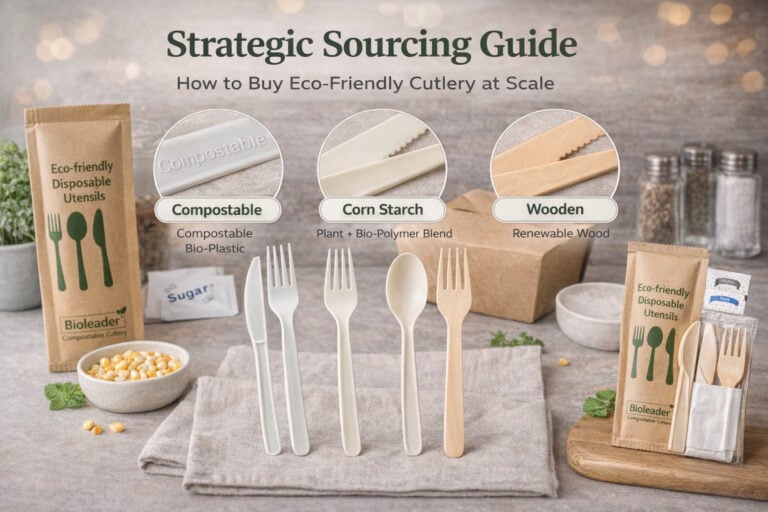
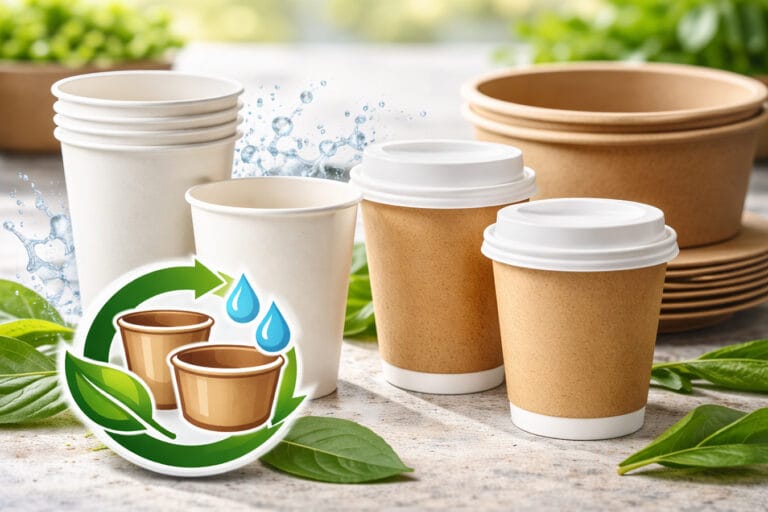
They are commonly made from compostable materials like sugarcane bagasse, bamboo fiber, kraft paper, or PLA (plant-based bioplastic). These materials are biodegradable and offer a sustainable alternative to plastic and foam trays , eco-friendly practices.

Why Customers Love Sugarcane Fiber Bowls:

Sustainability at the Core: An increasing number of customers are turning to bagasse bowls since it is the best eco-friendly option for low-effort everyday life such as normal feeding, conducting parties, and even for takeout. Practical for a Wide Range of Foods: Not one food is left out, these biodegradable bowls work well with all types of food , eco-friendly practices. Be it, salads, soup or even takeout, experience excellent performance. A Safe Choice: With the worry about food containers that might be laden with harmful chemicals, sugarcane bowls become the better option for these consumers as the containers are free from such ingredients.

Products That Can Be Industrially Composted

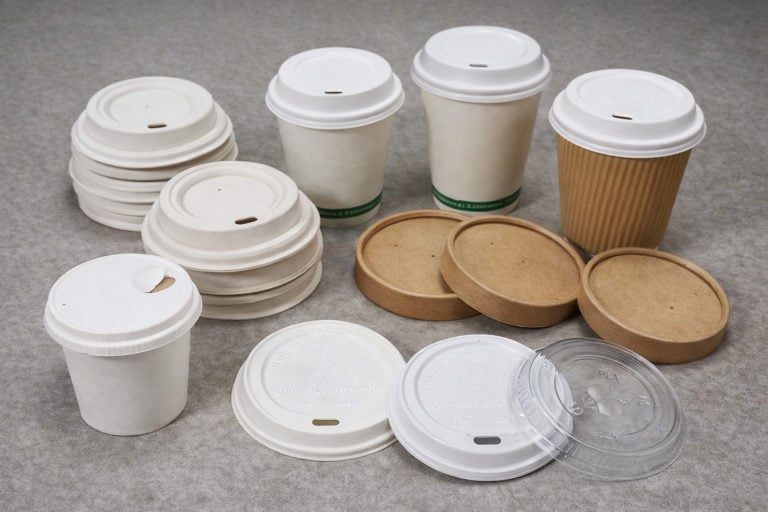
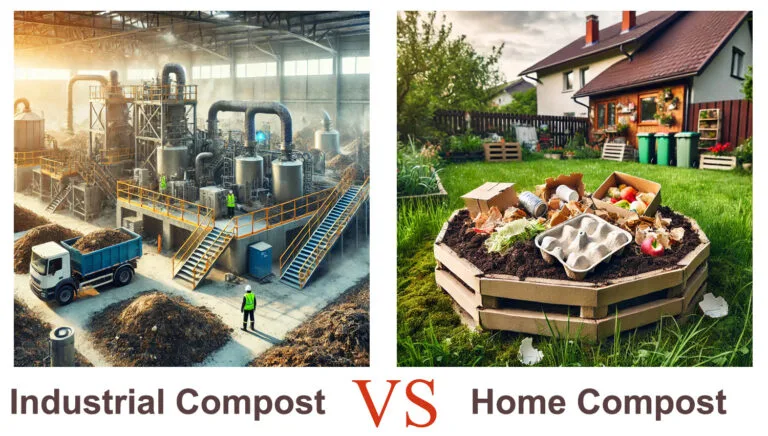
Not all biodegradable materials can break down efficiently in home compost bins. Some require higher temperatures and controlled conditions of industrial composting. Below are some examples of products that are suitable for industrial composting: Compostable bioplastics (PLA, PHA) Certified compostable food packaging Compostable coffee cups & lids Compostable cutlery Compostable paper plates Compostable trash bags Compostable takeout containers Compostable tea bags & coffee filters Paper-based compostable packaging with biodegradable coatings Agricultural compostable mulch films Compostable hygiene products (certain wipes, diapers, sanitary products)   industrial compost   What is Home Compost? Home composting is a natural decomposition process that occurs in backyard compost bins or piles, where organic waste is broken down by microorganisms, fungi, and worms — eco-friendly practices.

How Home Composting Works

Layering: A balanced mix of green waste (food scraps, grass clippings) and brown waste (dry leaves, cardboard, paper) is added. Aeration: The compost pile is turned regularly to ensure oxygen circulation. Moisture Control: Water is occasionally added to maintain an optimal moisture level. Decomposition: Microorganisms break down the materials over several weeks to months, creating nutrient-rich compost.

Related Insights

🚀Ready to Go Green and Choose ?

Join the global movement toward zero-waste packaging.


Bioleader® offers:

  • 📦 Bulk order support & fast delivery

  • ✍️ Custom branding and OEM solutions

  • 🌍 Worldwide eco-packaging compliance

Get the Catalogue Products List  & Contact Us Now! 👉

Contact us Below

Click or drag files to this area to upload.You can upload up to 5 files.
The more details you share, the faster and more accurate our quotation will be.