FAQ of Bioleader's Eco-friendly Disposable Tableware
Are there eco-friendly options for individually wrapped cutlery?
Yes, in addition to traditional plastic, there are biodegradable and compostable individually wrapped cutlery options available to support sustainability goals.
Is bio plastic cutlery safe for hot foods?
Yes, bio plastic cutlery is designed to be heat-resistant and durable, making it suitable for use with both hot and cold foods in various dining environments — eco-friendly practices.
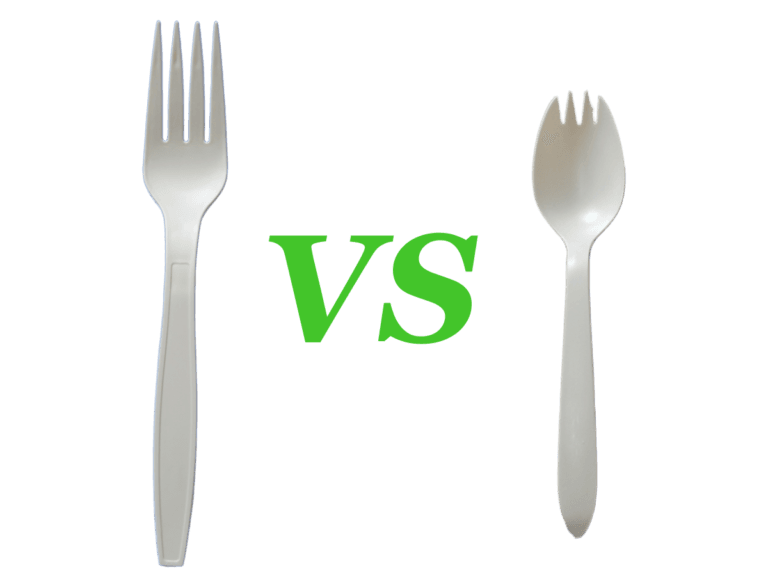
What are compostable plastic spoons and forks made of?
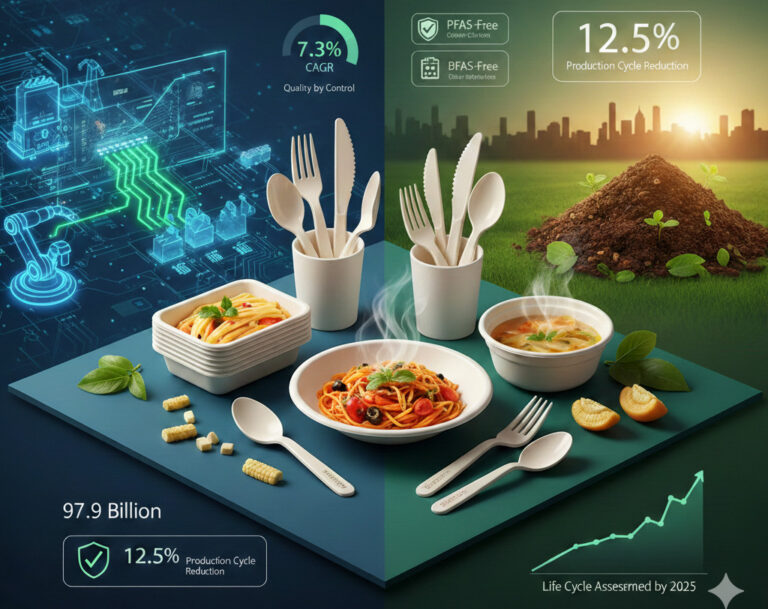
Compostable plastic spoons and forks are typically made from plant-based materials such as cornstarch, PLA (polylactic acid), or CPLA. These materials are biodegradable and designed to break down into natural elements in composting environments.
Products That Can Be Industrially Composted
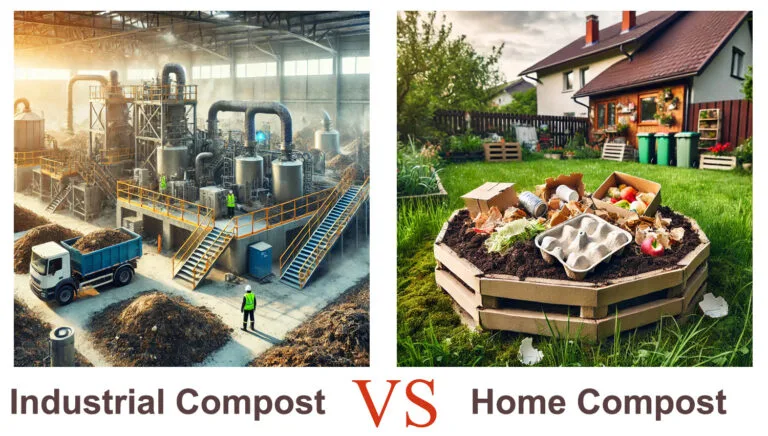
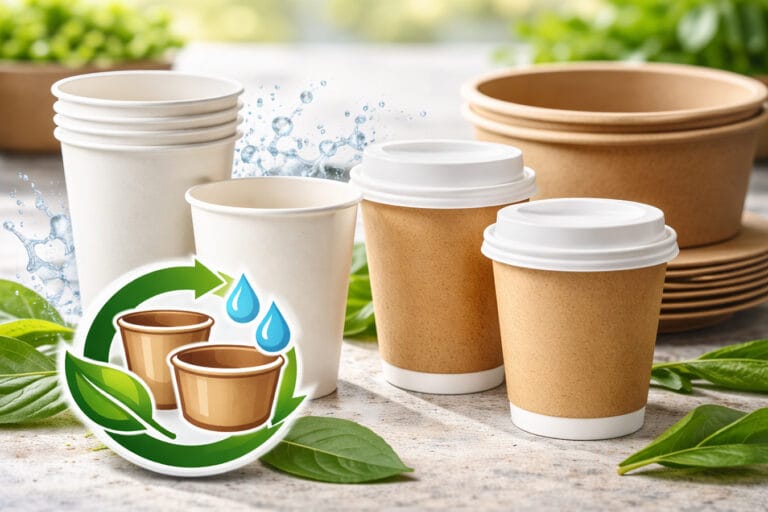
Not all biodegradable materials can break down efficiently in home compost bins. Some require higher temperatures and controlled conditions of industrial composting. Below are some examples of products that are suitable for industrial composting: Compostable bioplastics (PLA, PHA) Certified compostable food packaging Compostable coffee cups & lids Compostable cutlery Compostable paper plates Compostable trash bags Compostable takeout containers Compostable tea bags & coffee filters Paper-based compostable packaging with biodegradable coatings Agricultural compostable mulch films Compostable hygiene products (certain wipes, diapers, sanitary products) industrial compost What is Home Compost? Home composting is a natural decomposition process that occurs in backyard compost bins or piles, where organic waste is broken down by microorganisms, fungi, and worms , eco-friendly practices.
How Home Composting Works
Layering: A balanced mix of green waste (food scraps, grass clippings) and brown waste (dry leaves, cardboard, paper) is added. Aeration: The compost pile is turned regularly to ensure oxygen circulation — eco-friendly practices. Moisture Control: Water is occasionally added to maintain an optimal moisture level. Decomposition: Microorganisms break down the materials over several weeks to months, creating nutrient-rich compost.