FAQ of Bioleader's Eco-friendly Disposable Tableware
1. Bioleader® CPLA Fork Spoon Knife—(7 inch): Embossed “Compostable” Logo
Item Name / Material Weight Size(mm) PCS/CTN Carton Size(cm) CPLA-02 CPLA Fork 4.8g 7inch/ 170mm 1000 44 18 23.5 CPLA-03 CPLA Spoon 4.9g 7inch/ 170mm 1000 34.5 19 19 CPLA-01 CPLA Knife 5g 7inch/ 180mm 1000 47.5 18 22.5 About CPLA : CPLA (Crystallized Polylactic Acid) represents a derivative of PLA (Polylactic Acid), of which bioplastics can be obtained from easily renewable resources like corn starch or sugarcane — eco-friendly food container. Due to the crystallization process in CPLA, the material’s toughness and heat resistance are increased, allowing this bioplastic to be used for high-temperature applications such as cutlery; otherwise, the regular PLA would soften or deform. Biodegradable and Compostable BPI Certified Eco-Friendly CPLA Utensils : CPLA cutlery is made from plant-based resources like corn starch, BPI-certified 100% industrial-compostable in 90 days, and can break down entirely in industrial composting facilities. Each of our Non-plastic fork, spoon, and knife has “compostable” embossed on it.
How long does it take for eco-friendly cutlery to decompose?
Under industrial composting conditions, most eco-friendly cutlery decomposes within 90 to 180 days, depending on the material and local composting standards — eco-friendly food container.
How long does it take for a cornstarch spork to decompose?
A cornstarch-based compostable spork will generally decompose within 90–180 days in commercial composting conditions, depending on local temperature and humidity , eco-friendly food container.
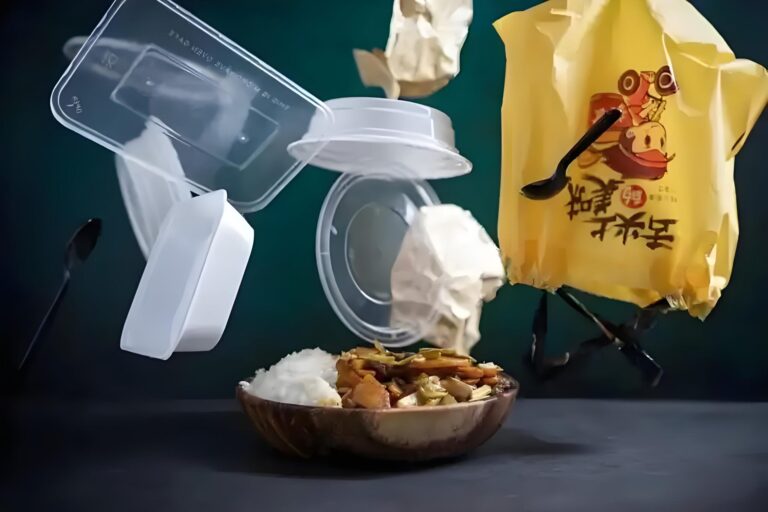
5. Recyclable Containers
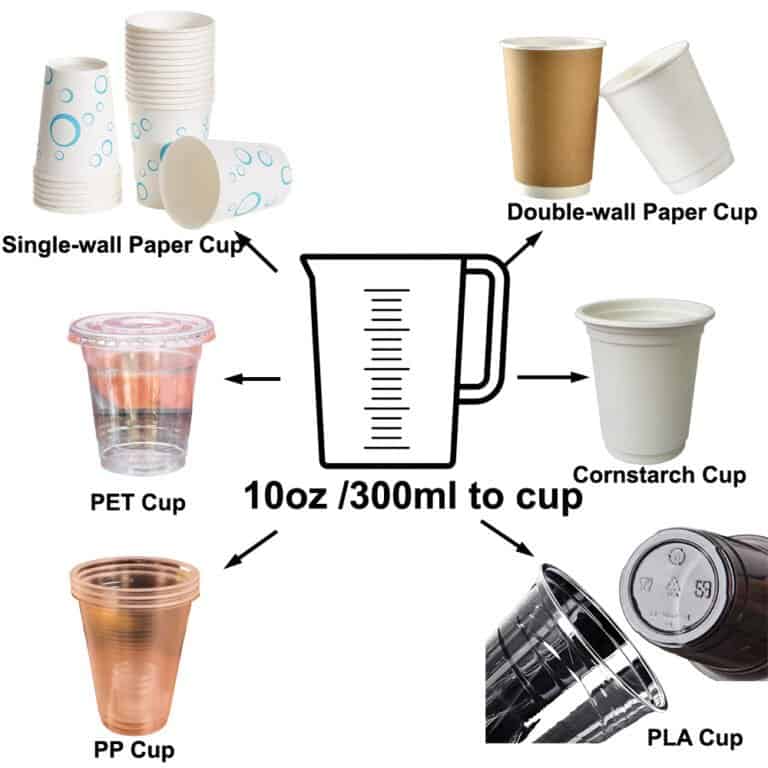
Aluminum, cardboard, PP (polypropylene), and PET (polyethylene terephthalate) are commonly used recyclable materials. Advantages: Lightweight, often suitable for both hot and cold food. Disadvantages: Recycling depends on local infrastructure. Cost-Effectiveness: Affordable for single-use and large-scale food packaging.
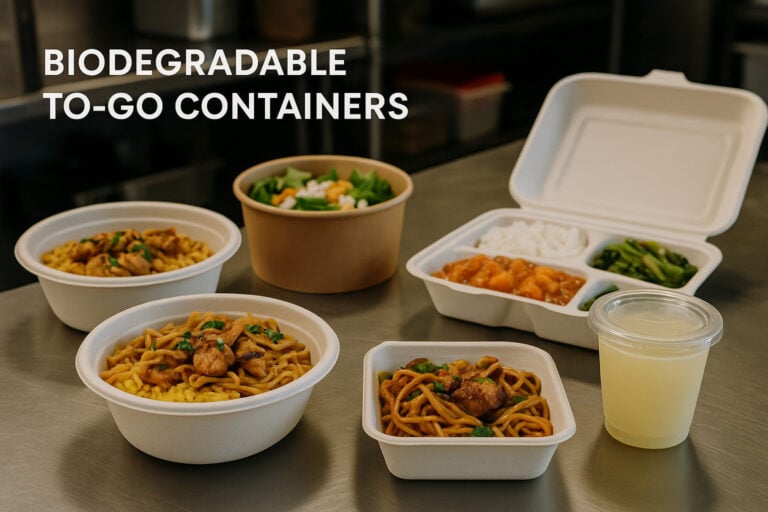
3. Paper Bowls and Boxes
Paper containers often have a PE (polyethylene) or PLA coating for water and oil resistance. Advantages: Widely recyclable (if using PE) or compostable (if using PLA). Disadvantages: PE-coated containers are not compostable; PLA-coated versions need industrial composting. Cost-Effectiveness: Affordable for large-scale use in food services.