FAQ of Bioleader's Eco-friendly Disposable Tableware
Can compostable plastic forks and spoons be customized with our logo?
Many manufacturers and suppliers offer customization options for compostable cutlery, including logo printing, unique colors, or special packaging. This service helps businesses promote their brand while staying sustainable.
Why are compostable sporks considered better for the environment?
Compostable sporks reduce reliance on petroleum-based plastics, break down naturally without leaving microplastics, and support a circular economy by turning waste into compost.
How do biodegradable spoons and forks help the environment?
Seen from a larger ecological perspective, biodegradable spoons and forks are assisting in the cutting of plastic waste and fostering sustainable consumption.
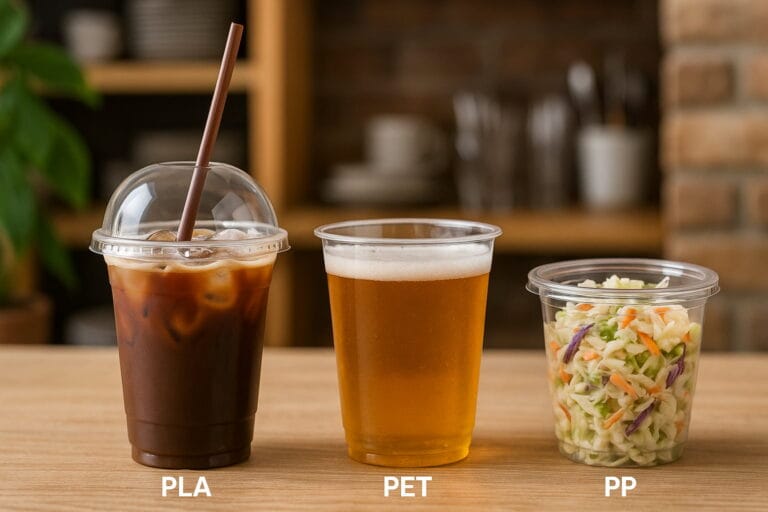
Are PLA cups recyclable?
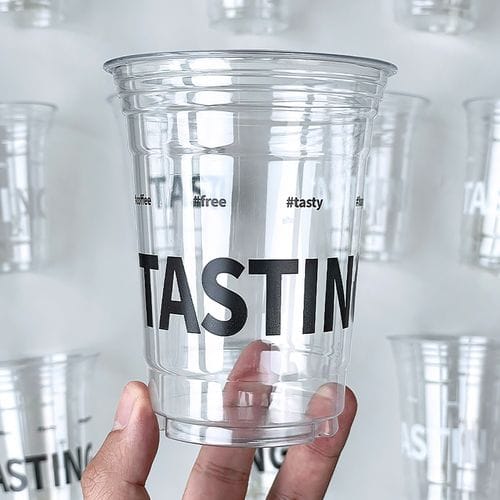
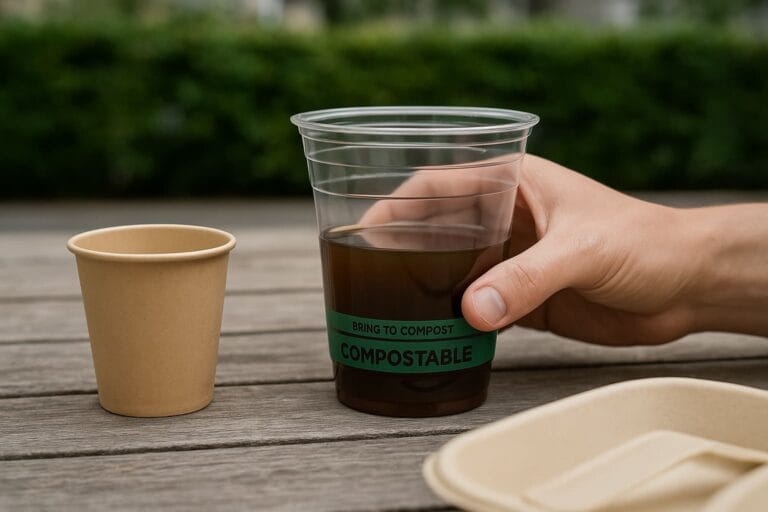
PLA cups are not recyclable through standard plastic recycling streams — eco-friendly cups wholesale. They must be processed in composting facilities equipped to handle bioplastics — eco-friendly cups wholesale. Always check local disposal guidelines.
What is PLA Exactly?
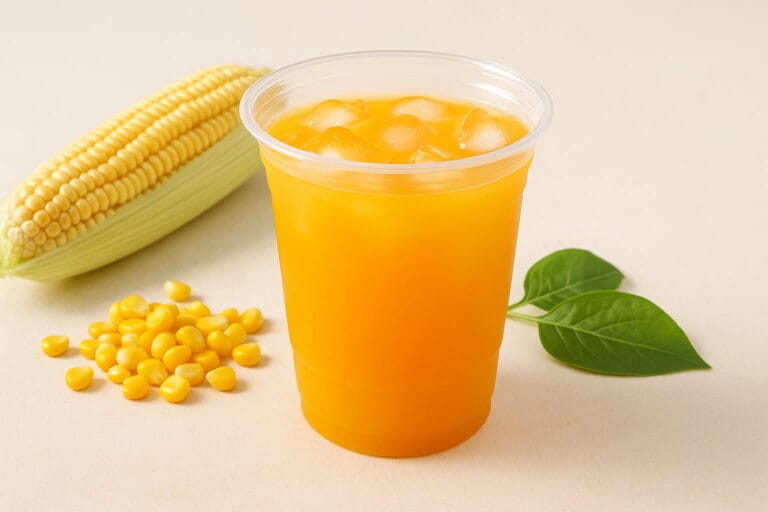
PLA, or Polylactic Acid, is a revolutionary plant-based biopolymer that offers a sustainable alternative to conventional petroleum-based plastics.Unlike traditional plastics from finite fossil fuels, PLA cups are made from renewable agricultural resources—primarily corn starch, sugarcane, or cassava. The production of PLA begins by extracting starches or sugars from plants. Microorganisms then ferment these carbohydrates into lactic acid. Through a process called polymerization, lactic acid molecules are linked together to form long chains, creating a versatile and compostable resin—PLA.This resin can then be molded into various forms, including clear PLA cups, compostable PLA cups, food containers, and even biodegradable straws — eco-friendly cups wholesale.