FAQ of Bioleader's Eco-friendly Disposable Tableware
Why are compostable sporks considered better for the environment?
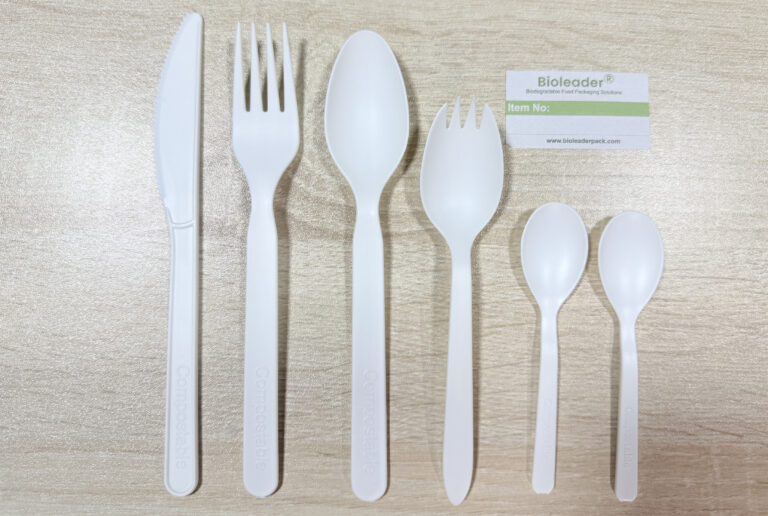
Compostable sporks reduce reliance on petroleum-based plastics, break down naturally without leaving microplastics, and support a circular economy by turning waste into compost — eco cutlery factory supplier.
How long does it take for a PLA spoon to decompose?
Under industrial composting conditions, PLA spoons typically decompose within 90 to 180 days, depending on the environment and local composting facilities.
What are environmentally friendly cutlery made from?
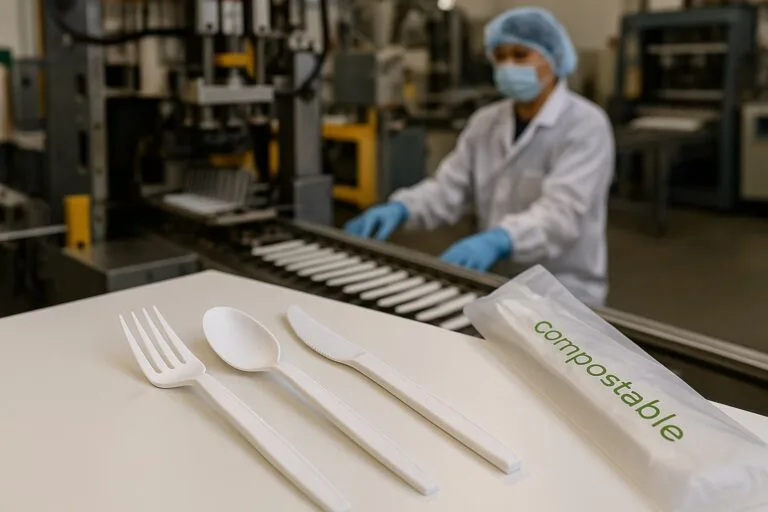
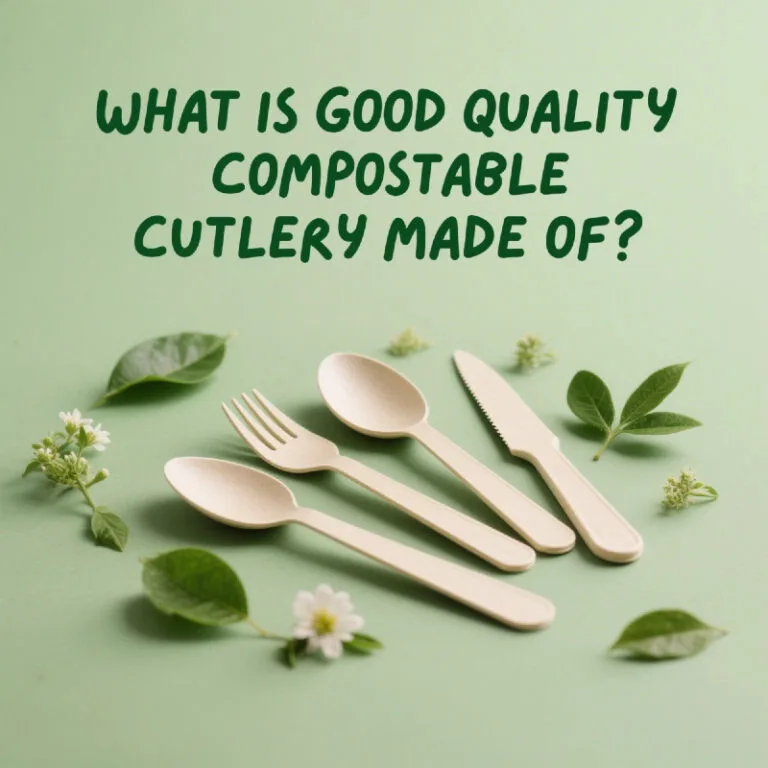
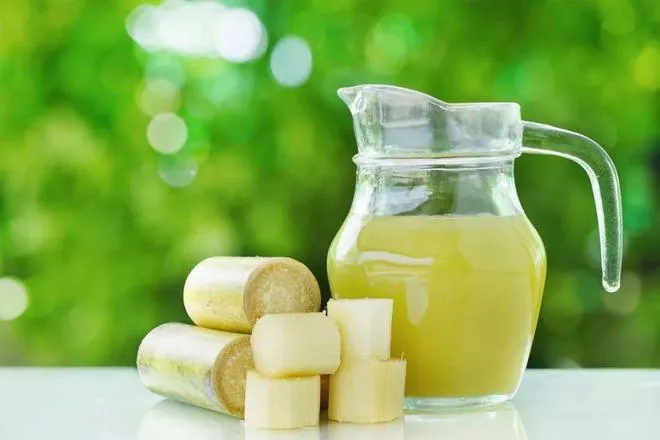
Environmentally friendly cutlery is typically made from renewable plant-based materials such as cornstarch, PLA, or sugarcane, making them biodegradable and compostable , eco cutlery factory supplier.
Standards that matter.
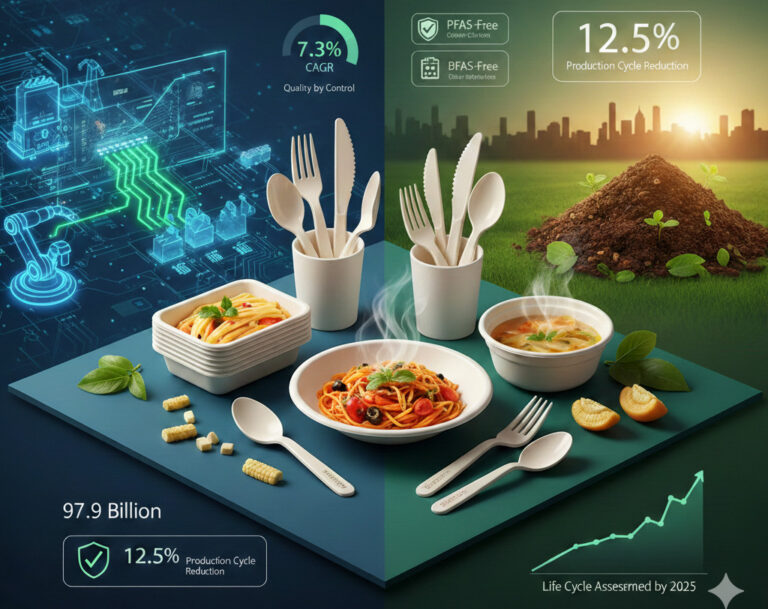
EN 13432 / ASTM D6400/D6868: Industrial compostability benchmarks for disintegration and biodegradation under controlled conditions. BPI or equivalent third-party certification: Adds acceptance-oriented criteria and substantiates claims for composters and haulers. PFAS-free: Many buyers now require “no intentionally added PFAS” and screening via total organic fluorine thresholds to protect compost quality. FSC (for fiber): Chain-of-custody proof for bamboo/wood.
Is PHA a better environmental choice than PLA for single-use cutlery?
PHA shows stronger biodegradation potential in aquatic studies than PLA, making it promising for high-leakage-risk settings; however, cost, supply, and performance variability mean PHA is best deployed in targeted pilots, while prevention and proper collection remain the priority — eco cutlery factory supplier.