FAQ of Bioleader's Eco-friendly Disposable Tableware
How long does it take for eco-friendly cutlery to decompose?
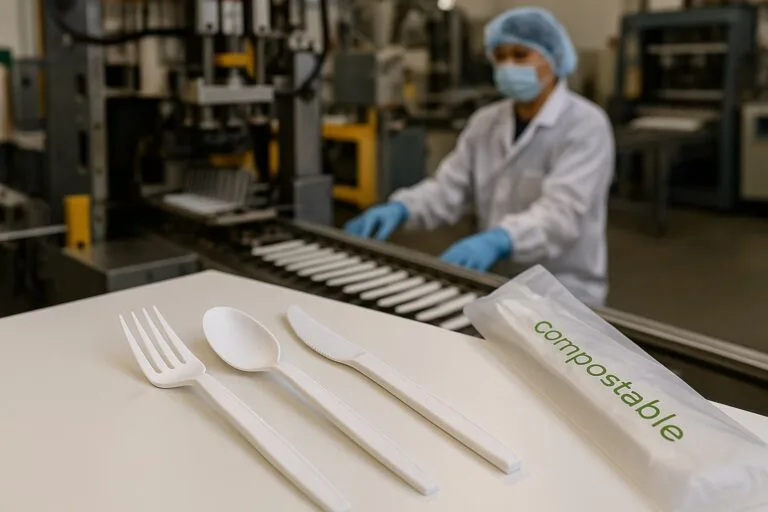
Under industrial composting conditions, most eco-friendly cutlery decomposes within 90 to 180 days, depending on the material and local composting standards.
Are there trends toward more sustainable disposable tableware?
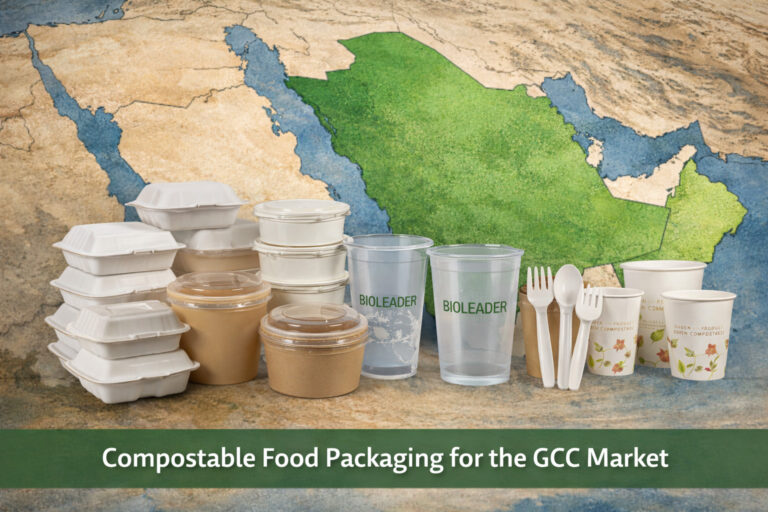
As the industry moves forward, so do the trends with it: disposable plates that don’t hurt the environment are already here.
Can Earth Friendly Utensils be customized for branding?
Absolutely. Bioleader offers customizable packaging and logo printing options, allowing businesses to enhance their brand and promote sustainability.
Bioplastics
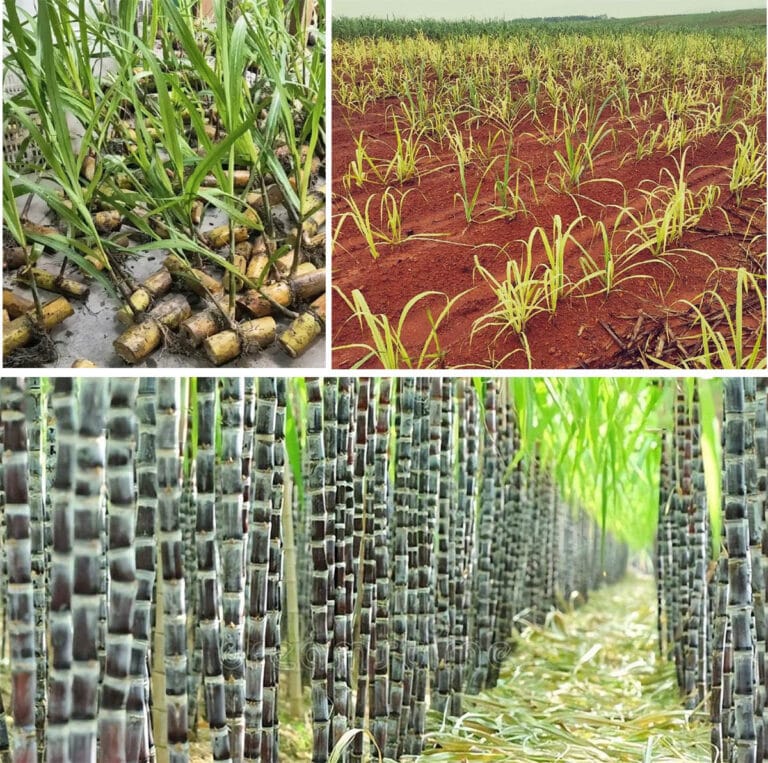
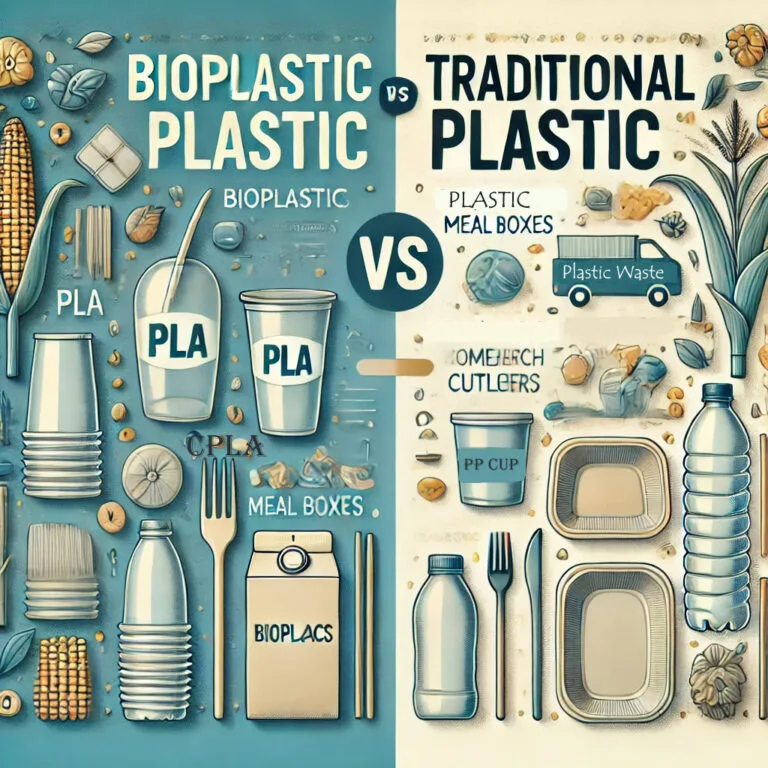
Bioplastics encompass a broad category of materials that are either bio-based, biodegradable, or both. The most common feedstocks include cornstarch, sugarcane, and potato starch, though research has also explored sources like algae and agricultural waste — eco bioplastic supplier. Some of the well-known bioplastic types are: PLA (Polylactic Acid): Often derived from cornstarch or sugarcane , eco bioplastic supplier. PLA is widely used for packaging, disposable tableware, and 3D printing filaments — eco bioplastic supplier.
End-of-Life Scenarios
Recycling: Traditional plastics can be recycled mechanically or chemically, but low recycling rates, contamination, and downcycling remain problematic. Bioplastics can sometimes be recycled alongside conventional plastics, but this depends on the type of bioplastic and local recycling infrastructure. Composting: Certain bioplastics (e.g., PLA, starch blends) can be industrially composted under specific conditions—high temperature, controlled humidity, and microbial activity. However, if disposed of in a regular landfill, they may degrade as slowly as conventional plastics, negating much of their environmental advantage.