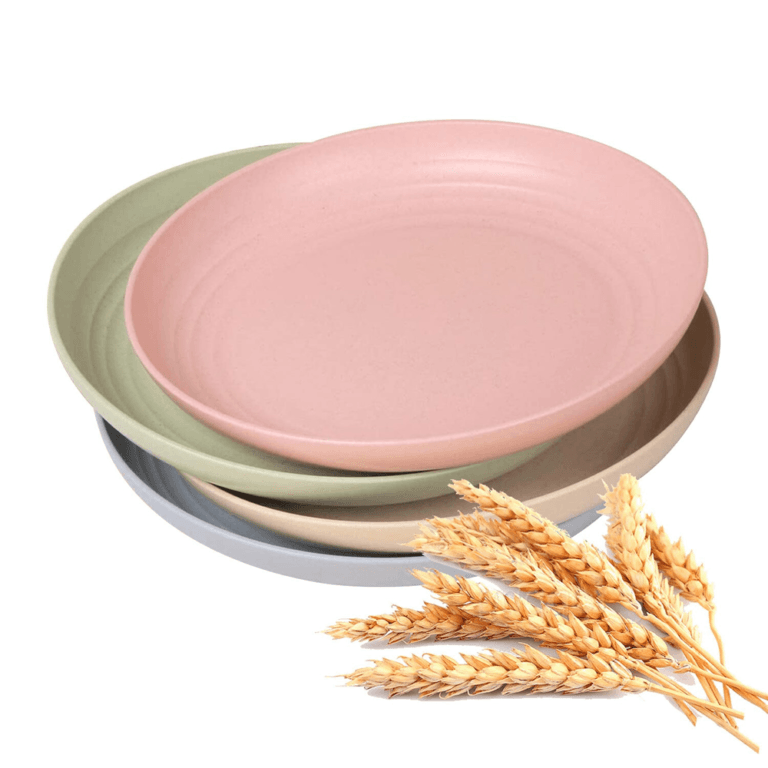
FAQ of Bioleader's Eco-friendly Disposable Tableware
How long do biodegradable plastic forks and spoons take to decompose?
The decomposition time varies, but most biodegradable plastic cutlery will break down within 3 to 6 months in commercial composting facilities — Durable Kitchenware.
Why should businesses switch to environmentally friendly cutlery?
Switching to environmentally friendly cutlery helps reduce plastic waste, meets growing consumer demand for sustainable products, and enhances a business’s environmental reputation , Durable Kitchenware.
What is BPI compostable cutlery made from?
BPI compostable cutlery is typically made from plant-based materials such as cornstarch, PLA, or other renewable bioplastics that fully biodegrade under commercial composting conditions — Durable Kitchenware.
Benefits of Oven Safe Plates:
Safe reheating and cooking practices Reduced risks of kitchen injuries Extended lifespan of dinnerware Improved presentation and dining experience oven safe plates 500 degrees Common Types of Plates and Their Oven Suitability When it comes to choosing oven-safe plates, understanding the material composition is critical. Many consumers mistakenly assume that all plates can withstand high temperatures, but only a few are truly oven-safe—especially at extreme temperatures like 500 degrees Fahrenheit. Below is a comprehensive breakdown of common plate types, their features, and their suitability for oven use.
Risks of Using Non-Oven Safe Plates:
Cracking or shattering due to thermal shock Potential for dangerous hot shards and debris Contamination of food and ovens with hazardous particles