FAQ of Bioleader's Eco-friendly Disposable Tableware
How long does it take for bio plastic cutlery to decompose?
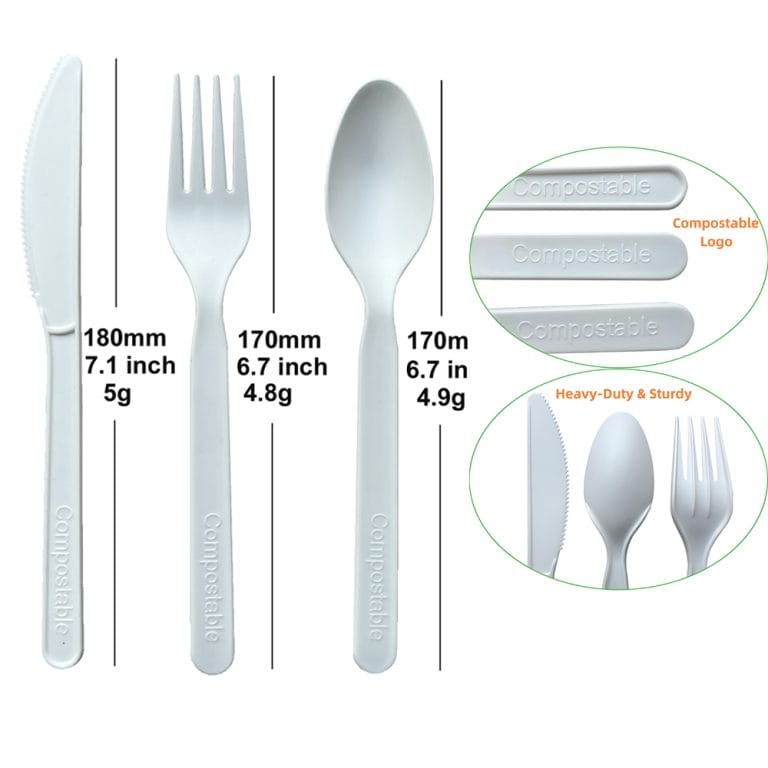
Under industrial composting conditions, bio plastic cutlery generally decomposes within 90 to 180 days, depending on the material and composting environment , disposable takeout bowls.
Are there trends toward more sustainable disposable tableware?
As the industry moves forward, so do the trends with it: disposable plates that don’t hurt the environment are already here.
Are there eco-friendly options for individually wrapped cutlery?
Yes, in addition to traditional plastic, there are biodegradable and compostable individually wrapped cutlery options available to support sustainability goals — disposable takeout bowls.
1.5 Paper Laminated with Aluminum Foil
Paper laminated with aluminum foil provides superior insulation and moisture resistance , disposable takeout bowls. These bowls are ideal for holding greasy foods or keeping food warm. However, the aluminum foil makes them difficult to recycle. Pros: Excellent heat retention and moisture resistance Great for hot and greasy foods Insulates well to maintain food temperature Cons: Aluminum foil makes recycling challenging Not compostable due to the mixed material structure Higher cost due to additional processing 2.
1.1 Standard Paper
Standard paper bowls are typically coated to make them moisture-resistant, allowing them to hold hot or wet foods like soup or chili. However, the lining used for moisture resistance often contains plastic, which can make these bowls non-compostable. While the paper itself is biodegradable, the plastic lining complicates recycling and composting. Pros: Inexpensive and widely available Lightweight Customizable with printing for branding purposes Cons: Plastic coating makes them non-compostable Limited durability under heat or moisture if the lining is thin