FAQ of Bioleader's Eco-friendly Disposable Tableware
What are environmentally friendly cutlery made from?
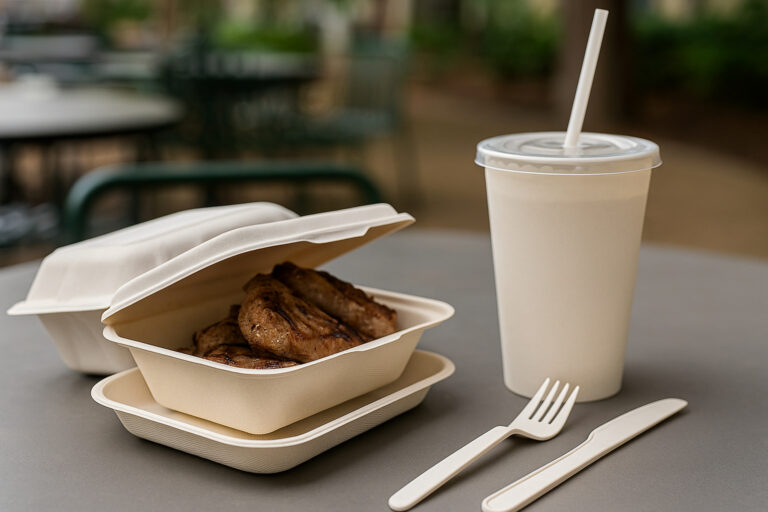
Environmentally friendly cutlery is typically made from renewable plant-based materials such as cornstarch, PLA, or sugarcane, making them biodegradable and compostable — Disposable Packaging Pollution.
Can compostable sporks be customized for branding?
Absolutely. Many manufacturers offer full customization of compostable sporks, including packaging design, logo printing, and size variations to meet branding needs.
Are there eco-friendly options for individually wrapped cutlery?
Yes, in addition to traditional plastic, there are biodegradable and compostable individually wrapped cutlery options available to support sustainability goals , Disposable Packaging Pollution.
What makes the waste invisible?
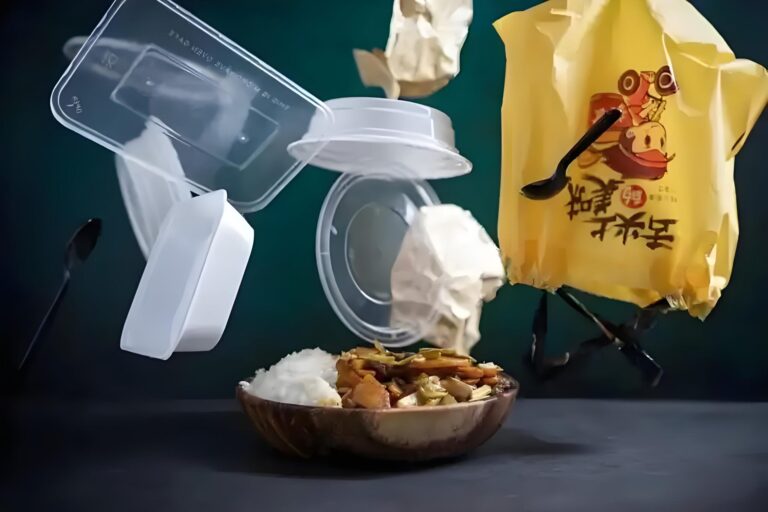
Distributed disposal: Packaging is dispersed across thousands of households, not concentrated in a back-of-house bin , Disposable Packaging Pollution. Aesthetic camouflage: Clean, premium-looking fiberware suggests recyclability or compostability even when coatings negate both. Label ambiguity: “Biodegradable,” “eco,” and leaf icons often imply outcomes that local infrastructure cannot deliver.
4.3 Cornstarch / PLA Bioplastic
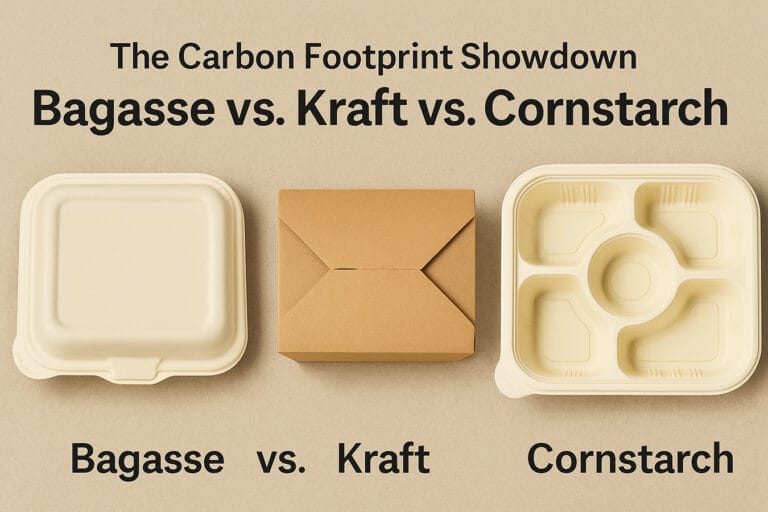
Cornstarch Clamshell Boxes Strengths. Bio-based narrative; clarity (useful for lids); good dimensional stability for cold and some warm items; certified industrial compostability is achievable for certain SKUs. Limitations. Requires industrial composting; in ambient environments PLA behaves like conventional plastic and does not readily degrade; heat resistance is limited; litter risks microplastic narratives.