FAQ of Bioleader's Eco-friendly Disposable Tableware
Can Earth Friendly Utensils be customized for branding?
Absolutely. Bioleader offers customizable packaging and logo printing options, allowing businesses to enhance their brand and promote sustainability.
How long does it take for eco-friendly cutlery to decompose?
Under industrial composting conditions, most eco-friendly cutlery decomposes within 90 to 180 days, depending on the material and local composting standards , custom printed cups.
Can businesses customize BPI compostable cutlery packaging?
Absolutely. BPI compostable cutlery offers customizable packaging options, including logo printing and tailored designs to support branding and marketing needs.
PET (Polyethylene Terephthalate)
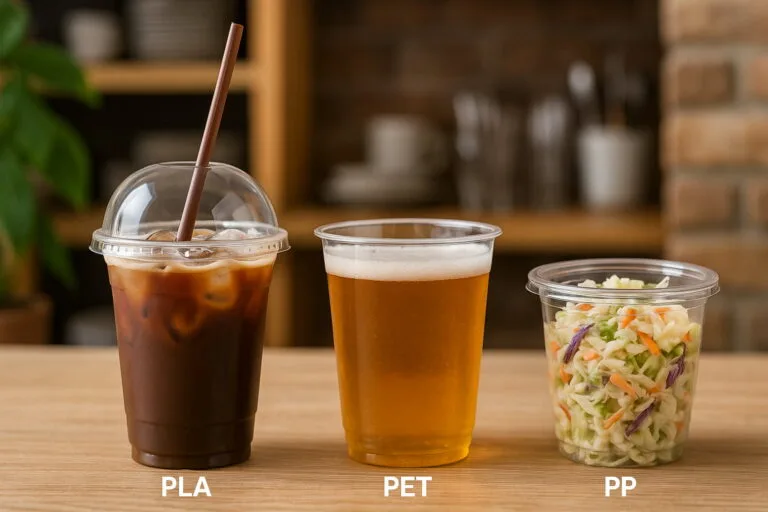
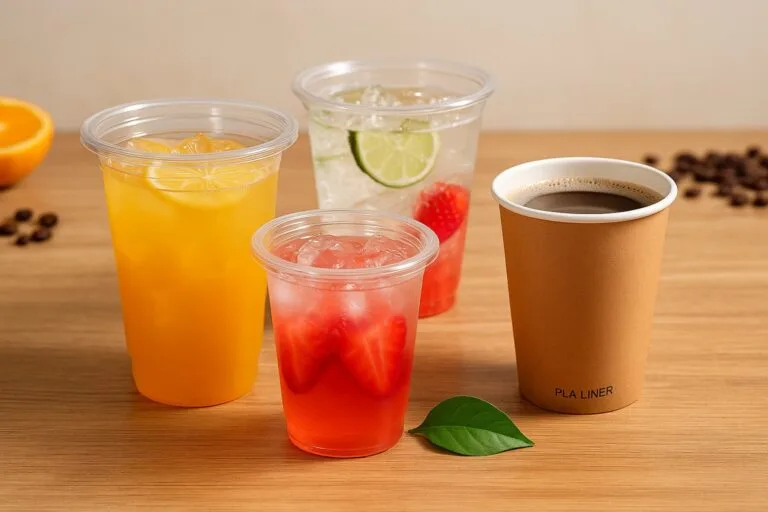
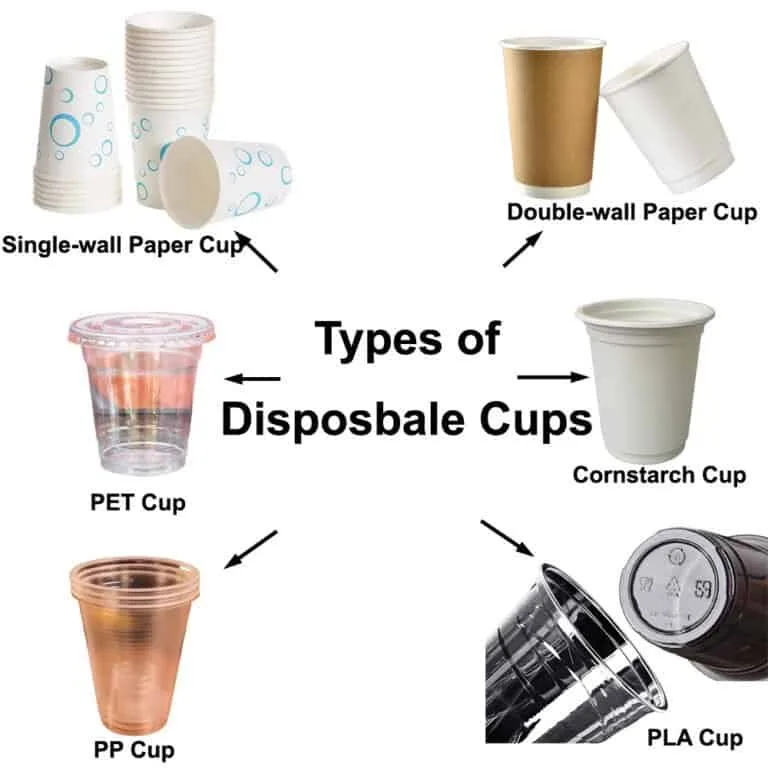
PET, commonly used in bottled water and soft drinks, provides the highest clarity and rigidity among plastic cups.Advantages: Crystal-clear appearance and excellent strength Can be recycled (resin code #1) where infrastructure exists Withstands moderate temperature changes (up to ~60°C / 140°F) Limitations: Not compostable Heavier carbon footprint than bio-based alternatives Visual chart comparing four types of clear cups: PLA (compostable), PET (#1 recyclable), PP (#5 recyclable), and PS (#6 recyclable), highlighting material identification and sustainability differences , custom printed cups. 3 — custom printed cups. Visual Comparison Snapshot PLA vs PP vs PET at a Glance Feature PLA PP PET Transparency High Medium Very High Gloss Finish Smooth, premium Matte Glossy Temperature Range (°C) 0–45 -10–100 0–60 Material Source Corn / Sugarcane Crude oil Crude oil End-of-Life Path Industrial compost Recyclable Recyclable Weight/Thickness Light Light Medium Crack Resistance Moderate Excellent Good Printing Methods Offset / Flexo UV / Screen Shrink sleeve / Label Typical MOQ (Custom) 50,000 50,000 100,000 Unit Cost Tier Mid Low Mid–High Best Use Cases Cold drinks, juices, smoothies Hot beverages, soups Premium cold beverages 4. Transparency and Appearance When customers buy a smoothie or an iced coffee, the visual appeal of the drink matters.
PP (Polypropylene)
PP is a fossil-based thermoplastic widely used for hot beverage cups and lids. It offers excellent flexibility and thermal stability.Advantages: Withstands up to 100°C (212°F) — perfect for hot coffee, tea, and soups Lightweight yet durable, resists cracking under pressure Economical and recyclable in many municipal systems (resin code #5) Limitations: Lower clarity compared to PET or PLA Derived from petroleum sources, less sustainable perception