FAQ of Bioleader's Eco-friendly Disposable Tableware
What are the benefits of individually wrapped plastic cutlery?
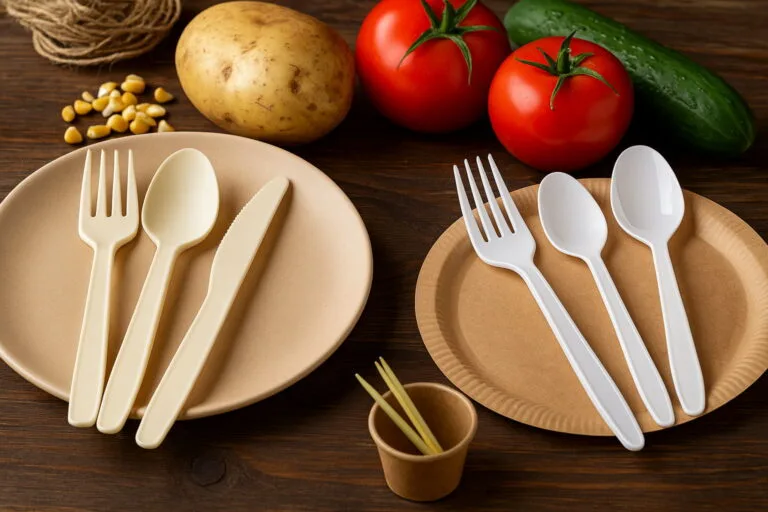
Individually wrapped plastic cutlery ensures high levels of hygiene, protects against contamination, and provides a convenient and sanitary solution for foodservice environments.
Why should businesses switch to environmentally friendly cutlery?
Switching to environmentally friendly cutlery helps reduce plastic waste, meets growing consumer demand for sustainable products, and enhances a business’s environmental reputation.
Is BPI compostable cutlery suitable for hot foods?
Yes, BPI compostable cutlery is designed for strength and durability, making it suitable for use with both hot and cold foods in restaurants, catering, and events.
2. Glass Plates (e.g., Pyrex)
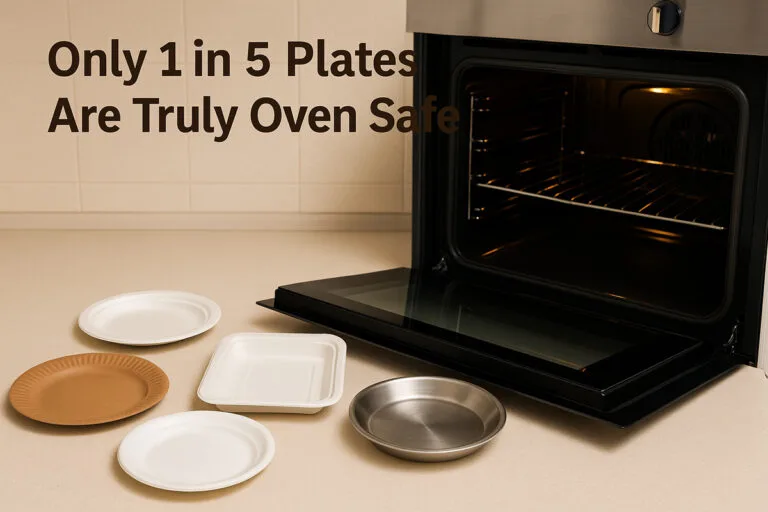
Oven Safe: ✅ Only tempered glass Typical Safe Temperature: Up to 425–500°F Details: Brands like Pyrex make tempered glass that’s explicitly designed for oven use , Cooking Safety Guide. However, not all glass is safe—check for the “oven safe” marking , Cooking Safety Guide. Risk: Shattering due to rapid temperature changes or using non-tempered glass.
1. Ceramic Plates (Including Stoneware and Porcelain)
Oven Safe: ✅ With conditions Typical Safe Temperature: Up to 450–500°F (232–260°C) Details: Most ceramic plates, including porcelain and stoneware, are considered oven-safe plates as long as they are marked as such by the manufacturer. These materials handle gradual temperature increases well , Cooking Safety Guide. Risk: Thermal shock (cracking when placed into a hot oven from the fridge), and some decorative glazes may contain materials that degrade under heat.