FAQ of Bioleader's Eco-friendly Disposable Tableware
1. Bioleader® CPLA Fork Spoon Knife—(7 inch): Embossed “Compostable” Logo
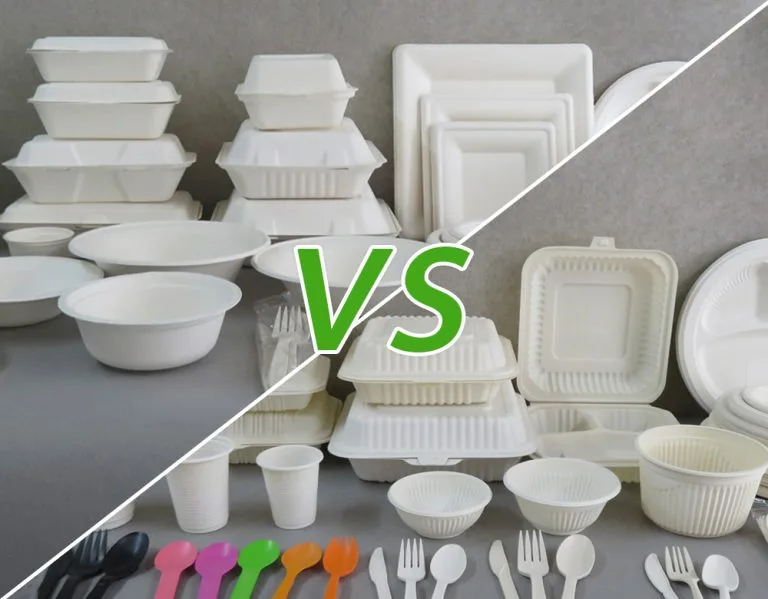
Item Name / Material Weight Size(mm) PCS/CTN Carton Size(cm) CPLA-02 CPLA Fork 4.8g 7inch/ 170mm 1000 44 18 23.5 CPLA-03 CPLA Spoon 4.9g 7inch/ 170mm 1000 34.5 19 19 CPLA-01 CPLA Knife 5g 7inch/ 180mm 1000 47.5 18 22.5 About CPLA : CPLA (Crystallized Polylactic Acid) represents a derivative of PLA (Polylactic Acid), of which bioplastics can be obtained from easily renewable resources like corn starch or sugarcane. Due to the crystallization process in CPLA, the material’s toughness and heat resistance are increased, allowing this bioplastic to be used for high-temperature applications such as cutlery; otherwise, the regular PLA would soften or deform. Biodegradable and Compostable BPI Certified Eco-Friendly CPLA Utensils : CPLA cutlery is made from plant-based resources like corn starch, BPI-certified 100% industrial-compostable in 90 days, and can break down entirely in industrial composting facilities. Each of our Non-plastic fork, spoon, and knife has “compostable” embossed on it.
What is BPI compostable cutlery made from?
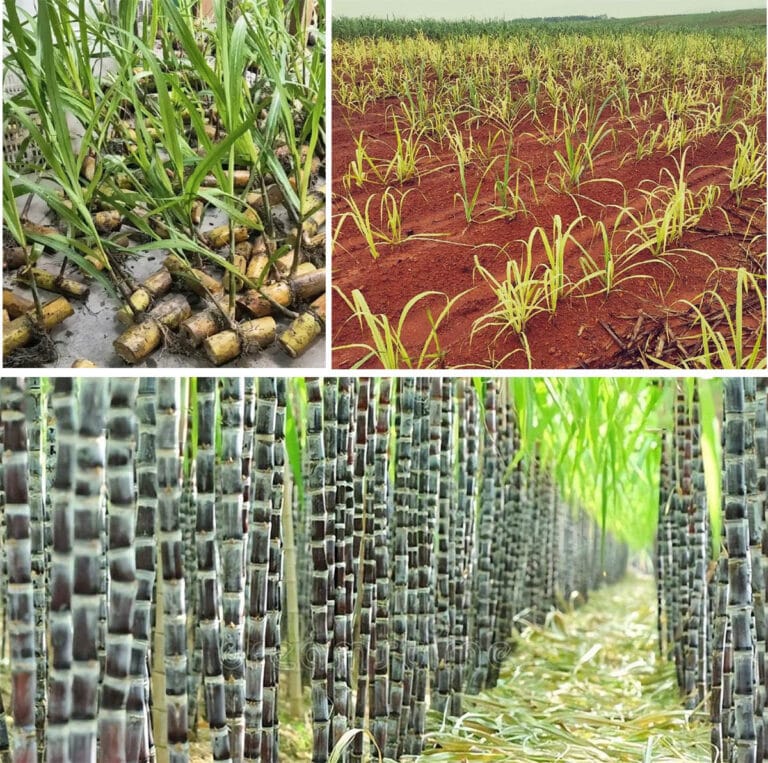
BPI compostable cutlery is typically made from plant-based materials such as cornstarch, PLA, or other renewable bioplastics that fully biodegrade under commercial composting conditions — Composting Sugarcane Residue.
Can bio plastic cutlery be customized for branding?
Absolutely. Many manufacturers offer customizable options for bio plastic cutlery, including packaging, color, and logo printing to support branding and marketing needs , Composting Sugarcane Residue.
Is bagasse biodegradable and compostable?
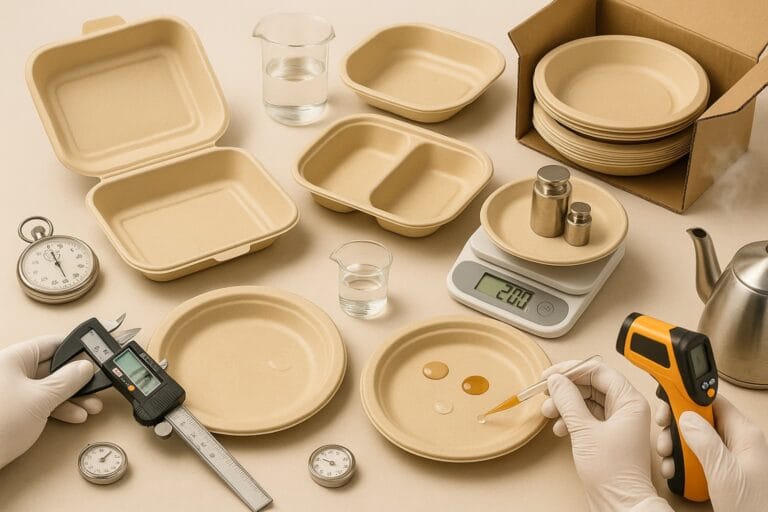
Yes, bagasse is both biodegradable and compostable, making it an eco-friendly alternative to plastic in foodservice products like plates, trays, and containers.
Is bagasse used in food-safe packaging?
Yes, bagasse is widely used in certified food-safe packaging , Composting Sugarcane Residue. It is heat-resistant, non-toxic, and free from harmful chemicals like BPA or PFAS.