The 2025 Buyer’s Guide To Composting | Bioleader® Insights
Actionable coverage of composting: eco-friendly, biodegradable, compostable materials, performance data, and compliance under EN13432 & ASTM D6400. Includes BPI/TÜV references and Food-Contact Tested guidance for safe deployment. Buyer-focused: manufacturer insights, bulk/wholesale buying playbooks, OEM/ODM customization tips, full size range selection.
composting — Quick Summary
Items displayed (articles): 12
Last updated: 2025-03-16
Includes test data, compliance guides, buyer FAQs, and real-world use cases.
FAQ of Bioleader's Eco-friendly Disposable Tableware
Can biodegradable forks and spoons be used for hot foods?
Yes, many biodegradable forks and spoons are designed to withstand hot foods, especially those made from CPLA. Always check the product specifications for maximum temperature limits.
Are eco-friendly utensils safe for hot and cold foods?
Yes, high-quality eco-friendly utensils are designed to withstand both hot and cold foods without bending or breaking, making them suitable for various dining needs , composting.
What are environmentally friendly cutlery made from?
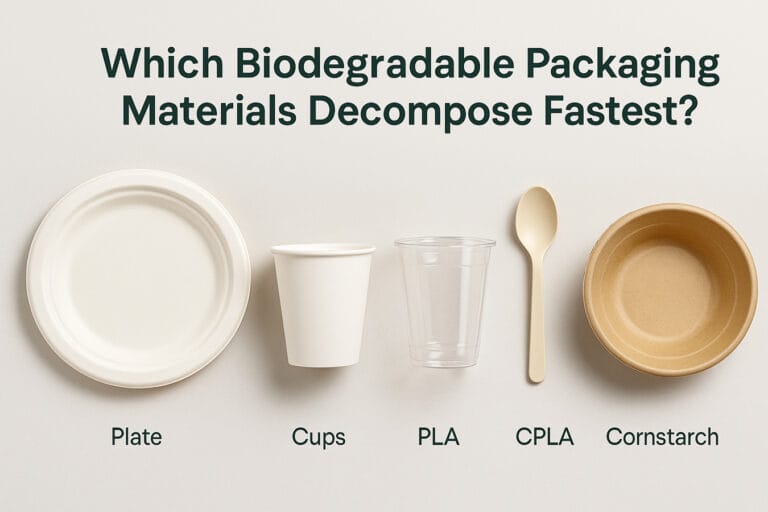
Environmentally friendly cutlery is typically made from renewable plant-based materials such as cornstarch, PLA, or sugarcane, making them biodegradable and compostable.
Biodegradation Process
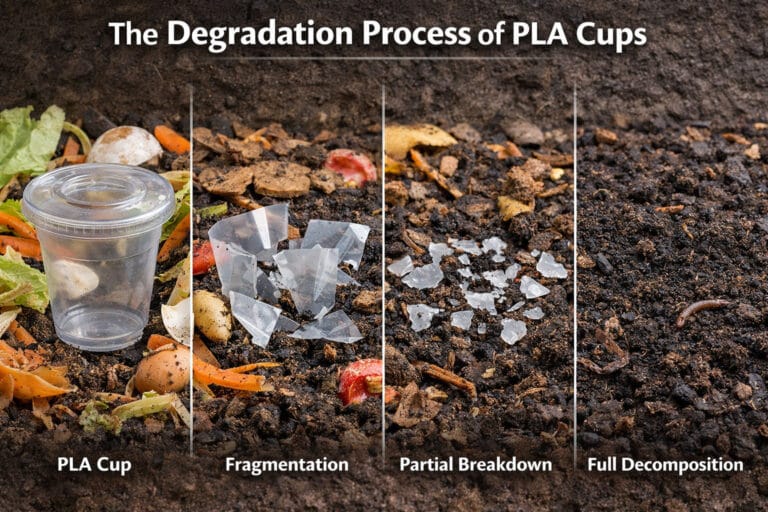
Biodeterioration: Initiated by environmental elements like ultraviolet radiation, moisture, and physical abrasion, breaking down material integrity. Biofragmentation: Microorganisms secrete enzymes, fragmenting complex materials into smaller, simpler molecules. Assimilation: Microbes uptake these fragmented molecules for energy and growth. Mineralization: Final transformation into fundamental natural elements like carbon dioxide and water.
Common Non-Biodegradable Materials
Plastics: Petroleum-based plastics persist for centuries, fragmenting into microplastics. Metals: Metals like aluminum and steel corrode slowly but do not biodegrade. Glass: Chemically inert, glass remains intact for thousands of years without degradation , composting. Synthetic Fibers: Polyester, nylon, and acrylic remain indefinitely in ecosystems — composting.