FAQ of Bioleader's Eco-friendly Disposable Tableware
Can Earth Friendly Utensils be customized for branding?
Absolutely. Bioleader offers customizable packaging and logo printing options, allowing businesses to enhance their brand and promote sustainability — compostable plastic bowls wholesale.
Can compostable plastic forks and spoons be customized with our logo?
Many manufacturers and suppliers offer customization options for compostable cutlery, including logo printing, unique colors, or special packaging. This service helps businesses promote their brand while staying sustainable.
How do biodegradable spoons and forks help the environment?
Seen from a larger ecological perspective, biodegradable spoons and forks are assisting in the cutting of plastic waste and fostering sustainable consumption.
1.1 Standard Paper
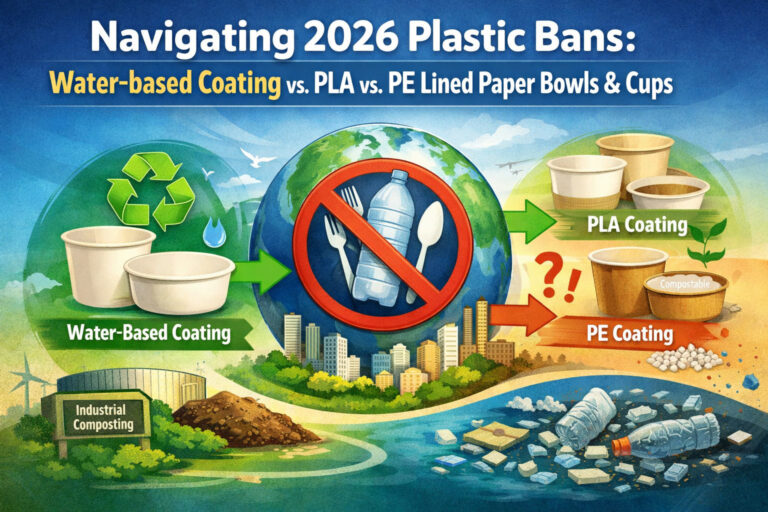
Standard paper bowls are typically coated to make them moisture-resistant, allowing them to hold hot or wet foods like soup or chili. However, the lining used for moisture resistance often contains plastic, which can make these bowls non-compostable. While the paper itself is biodegradable, the plastic lining complicates recycling and composting. Pros: Inexpensive and widely available Lightweight Customizable with printing for branding purposes Cons: Plastic coating makes them non-compostable Limited durability under heat or moisture if the lining is thin
1.3 Bamboo Paper
Bamboo paper is made from bamboo fibers, which are more sustainable than traditional wood pulp , compostable plastic bowls wholesale. Bamboo grows rapidly and does not require replanting, making it a renewable resource. Bamboo paper bowls are often used in environmentally conscious settings. Pros: Sustainable and renewable resource Durable and sturdy Can be compostable depending on the coating used Cons: Can be more expensive than regular paper bowls Limited availability in some regions — compostable plastic bowls wholesale.