The 2025 Buyer’s Guide To Compostable Paper Container | Bioleader® Insights
Actionable coverage of compostable paper container: eco-friendly, biodegradable, compostable materials, performance data, and compliance under EN13432 & ASTM D6400. Includes BPI/TÜV references and Food-Contact Tested guidance for safe deployment. Buyer-focused: manufacturer insights, bulk/wholesale buying playbooks, OEM/ODM customization tips, full size range selection.
FAQ of Bioleader's Eco-friendly Disposable Tableware
What are compostable plastic spoons and forks made of?
Compostable plastic spoons and forks are typically made from plant-based materials such as cornstarch, PLA (polylactic acid), or CPLA. These materials are biodegradable and designed to break down into natural elements in composting environments — compostable paper container.
What is a PLA spoon compostable plastic spoon made from?
PLA spoons are made from polylactic acid, a plant-based bioplastic derived mainly from renewable resources like corn starch, making them biodegradable and compostable.
Are there eco-friendly options for individually wrapped cutlery?
Yes, in addition to traditional plastic, there are biodegradable and compostable individually wrapped cutlery options available to support sustainability goals.
3. Transportation and Packaging
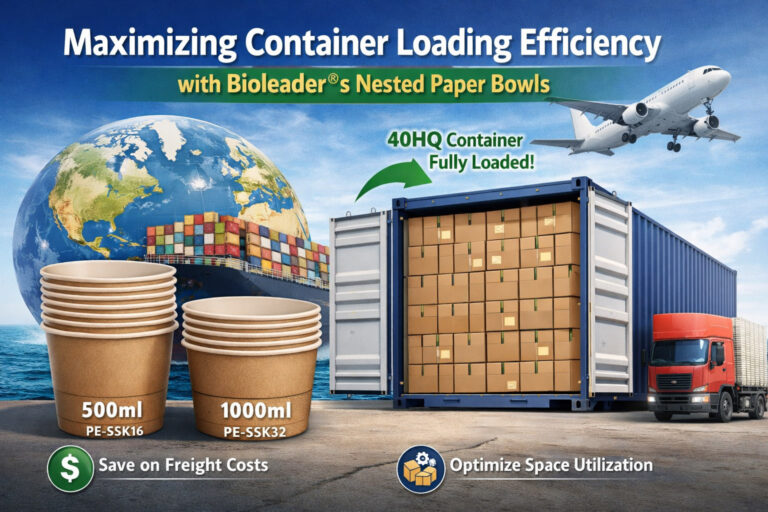
Kraft bowls tend to be lighter (per cubic volume) and nest more efficiently, leading to lower transport emissions. Their square or stackable designs optimize cargo utilization. Plastic bowls are denser and often packed with air gaps, leading to higher transport-related CO₂ emissions per 10,000 units , compostable paper container.
Common Features:
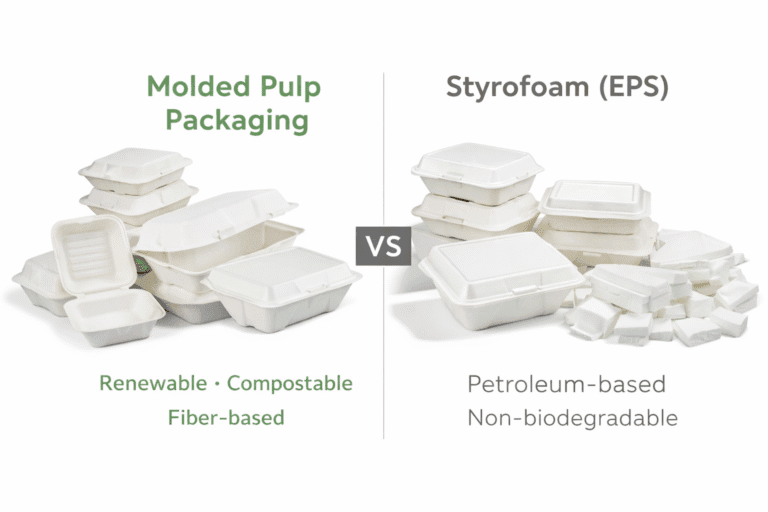
Food-grade and leak-resistant Custom-printable with soy or water-based inks Available with flat or dome lids (PLA, PET, or kraft paper) Certifications: FSC, EN13432, BPI, OK Compost Industrial/Home Popular Uses: Salads, grain bowls, curries, noodles, soups, frozen meals The rapid adoption of kraft paper bowls is not just an eco-friendly gesture—it aligns directly with regulations and consumer sentiment worldwide. Kraft Paper Soup Containers with Lid What Are Plastic Bowls Made Of? Plastic bowls are typically made from one of the following petroleum-derived polymers: Plastic Type Description Use Case Environmental Concern PET Lightweight, clear plastic Cold food, salads Difficult to recycle when food-soiled PP Durable, microwave-safe Hot dishes, soups Non-compostable, fossil-fuel based PS / EPS Rigid or foam polystyrene Disposable bowls (low-cost) Widely banned due to toxic leachability rPET / rPP Recycled versions Limited use due to safety Traceability, food safety often unclear Plastic bowls are not compostable or biodegradable. Most end up in landfills or incinerators, contributing to microplastic pollution, GHG emissions, and marine ecosystem damage , compostable paper container.