Trends In Compostable Cup Manufacturer: Market Insights, Innovations & FAQs | Bioleader® Sustainable Packaging
Actionable coverage of compostable cup manufacturer: eco-friendly, biodegradable, compostable materials, performance data, and compliance under EN13432 & ASTM D6400. Includes BPI/TÜV references and Food-Contact Tested guidance for safe deployment. Buyer-focused: manufacturer insights, bulk/wholesale buying playbooks, OEM/ODM customization tips, full size range selection.
compostable cup manufacturer — Quick Summary
Items displayed (articles): 12
Last updated: 2025-02-26
Includes test data, compliance guides, buyer FAQs, and real-world use cases.
FAQ of Bioleader's Eco-friendly Disposable Tableware
How long does it take for a PLA spoon to decompose?
Under industrial composting conditions, PLA spoons typically decompose within 90 to 180 days, depending on the environment and local composting facilities.
What are environmentally friendly cutlery made from?
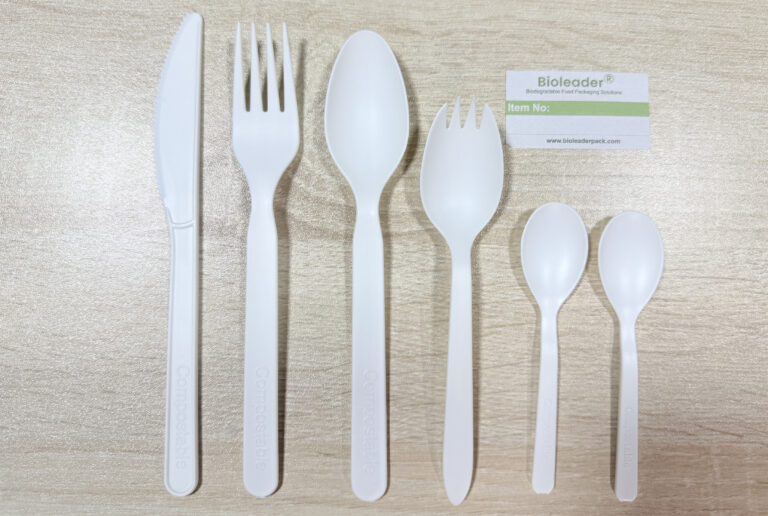
Environmentally friendly cutlery is typically made from renewable plant-based materials such as cornstarch, PLA, or sugarcane, making them biodegradable and compostable.
What are compostable plastic spoons and forks made of?
Compostable plastic spoons and forks are typically made from plant-based materials such as cornstarch, PLA (polylactic acid), or CPLA. These materials are biodegradable and designed to break down into natural elements in composting environments — compostable cup manufacturer.
What is PLA?
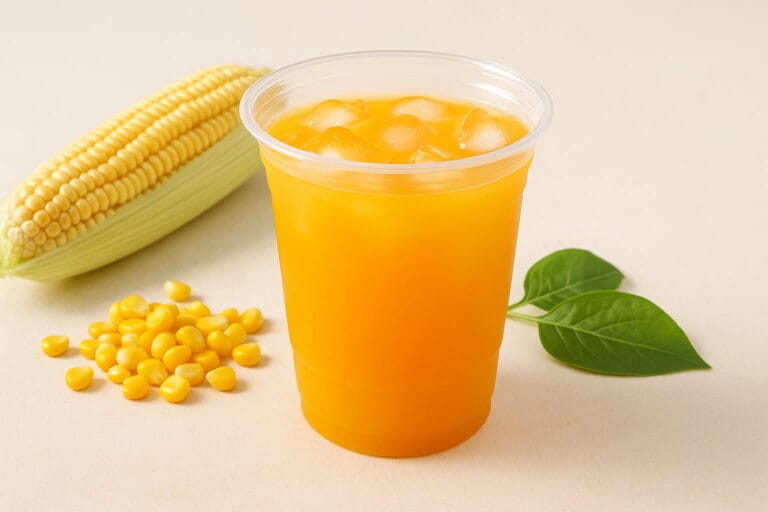
PLA stands for Polylactic Acid, a biodegradable polyester derived from renewable plant resources — compostable cup manufacturer. Instead of oil, PLA is made by fermenting sugars from corn starch, sugarcane, cassava, or other biomass into lactic acid, which is then polymerized into plastic. The result is a bioplastic resin that can be molded into products like cups, lids, or straws. PLA looks and feels like conventional petroleum-based plastic but is fully compostable under the right conditions.
4. Safe and Non-Toxic:
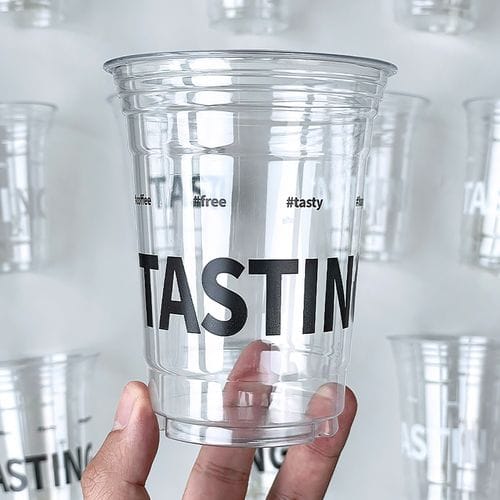
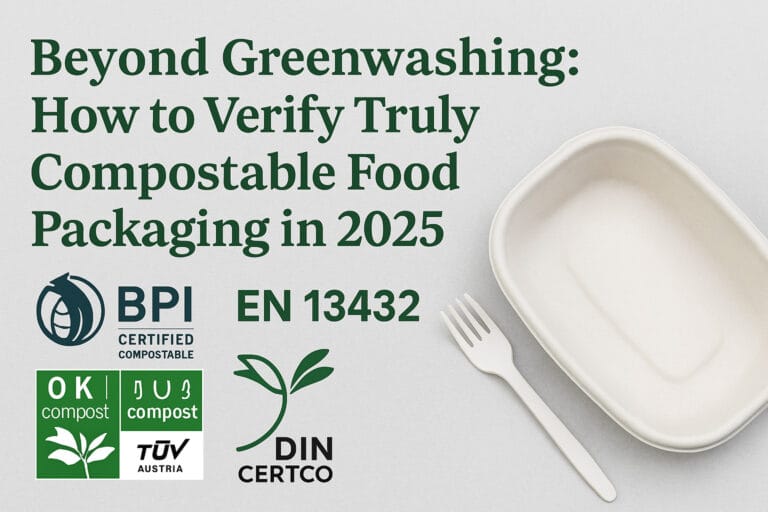
PLA is free of toxic chemicals like BPA or phthalates that can be found in some plastics. It’s considered food-safe and does not impart any off-tastes. Moreover, industry certifications (ASTM D6400, BPI, etc.) ensure that certified PLA cups meet strict standards for compostability and material health , compostable cup manufacturer. For example, many PLA cup products are certified by the Biodegradable Products Institute (BPI) to meet composting standards, indicating they will break down properly without toxic residues.