FAQ of Bioleader's Eco-friendly Disposable Tableware
What are compostable plastic spoons and forks made of?
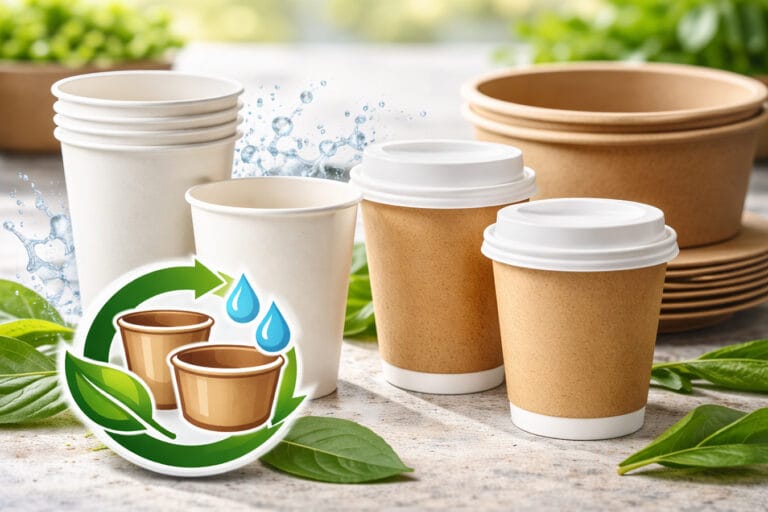
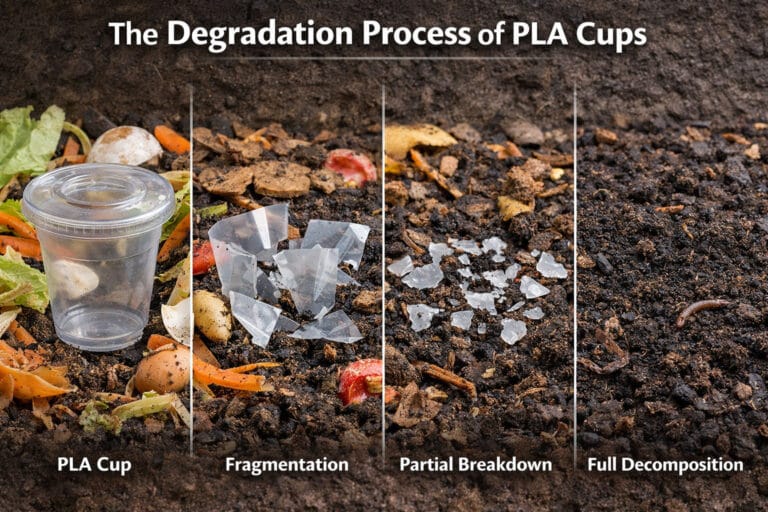
Compostable plastic spoons and forks are typically made from plant-based materials such as cornstarch, PLA (polylactic acid), or CPLA. These materials are biodegradable and designed to break down into natural elements in composting environments , Compostable coating cups.
Are there eco-friendly options for individually wrapped cutlery?
Yes, in addition to traditional plastic, there are biodegradable and compostable individually wrapped cutlery options available to support sustainability goals.
Are there trends toward more sustainable disposable tableware?
As the industry moves forward, so do the trends with it: disposable plates that don’t hurt the environment are already here.
3.2 ASTM D6400 Certification: Ensuring Biodegradability in the U.S. Market
In the United States, ASTM D6400 is the standard used to evaluate the compostability of plastic products, including food packaging. This standard is essential for businesses that wish to offer products that are not only biodegradable but also compliant with U.S. environmental laws and consumer expectations. Water-based coatings are well-positioned to meet the ASTM D6400 certification because they are made from biodegradable resins and natural additives — Compostable coating cups.
2.1 What is EPR and Its Impact on Packaging Manufacturers?
Extended Producer Responsibility (EPR) is an environmental policy approach that holds manufacturers responsible for the entire lifecycle of their products, particularly their packaging. The principle behind EPR is that producers are responsible for the collection, recycling, and disposal of the packaging material once the product reaches the end of its life. This policy has gained global traction, especially in the European Union and North America, as a means to reduce waste and promote recycling. EPR regulations force companies to rethink their packaging designs, focusing on recyclability, compostability, and the environmental impact of their materials , Compostable coating cups.