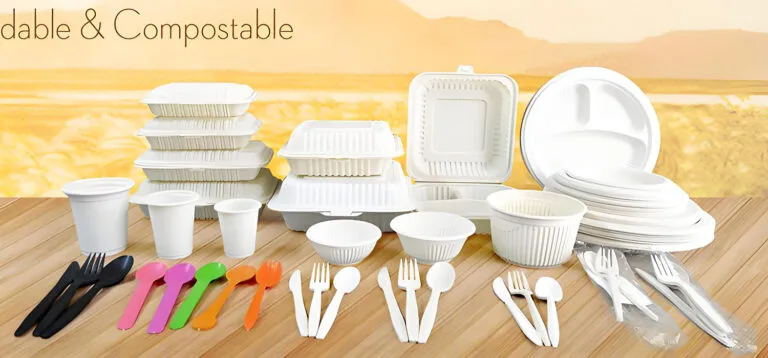
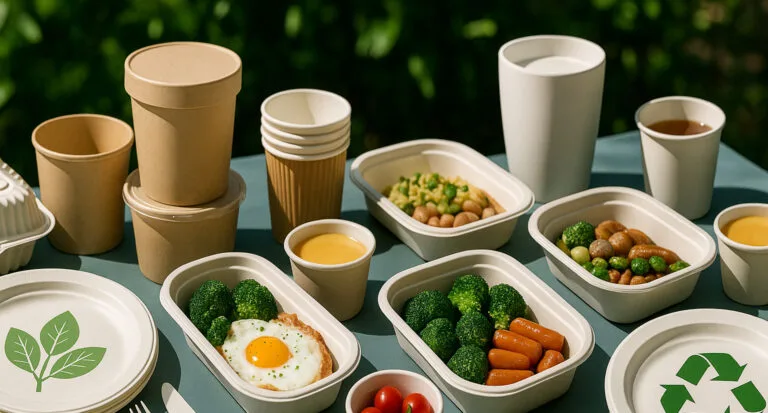
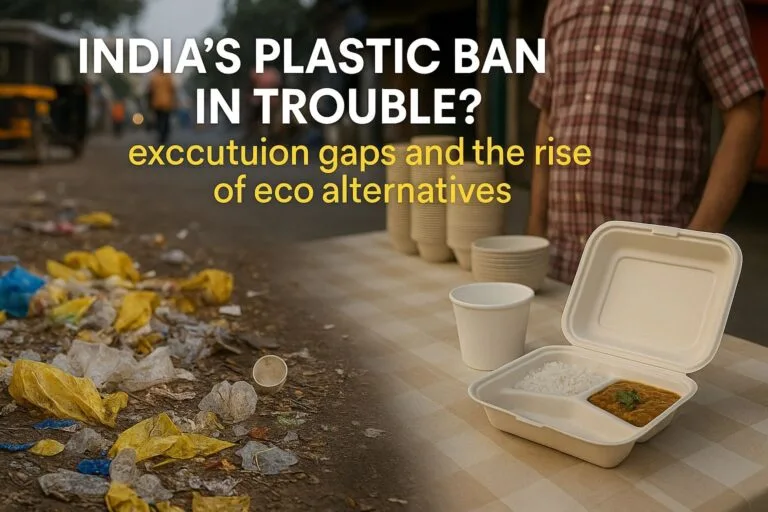
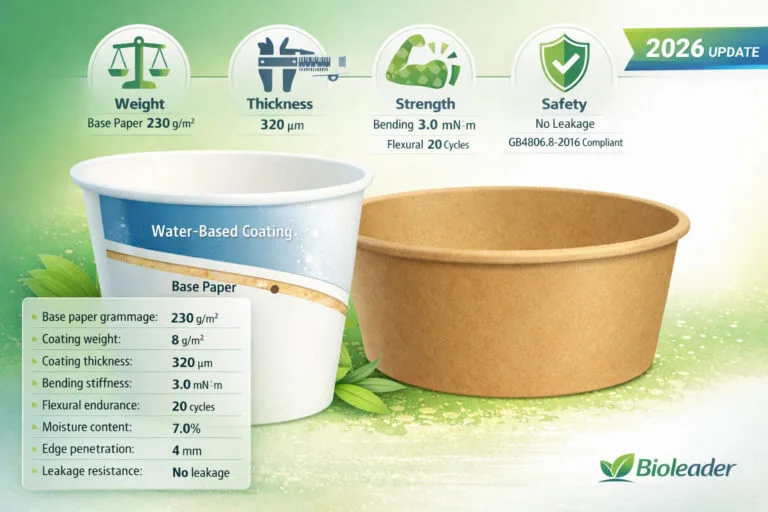
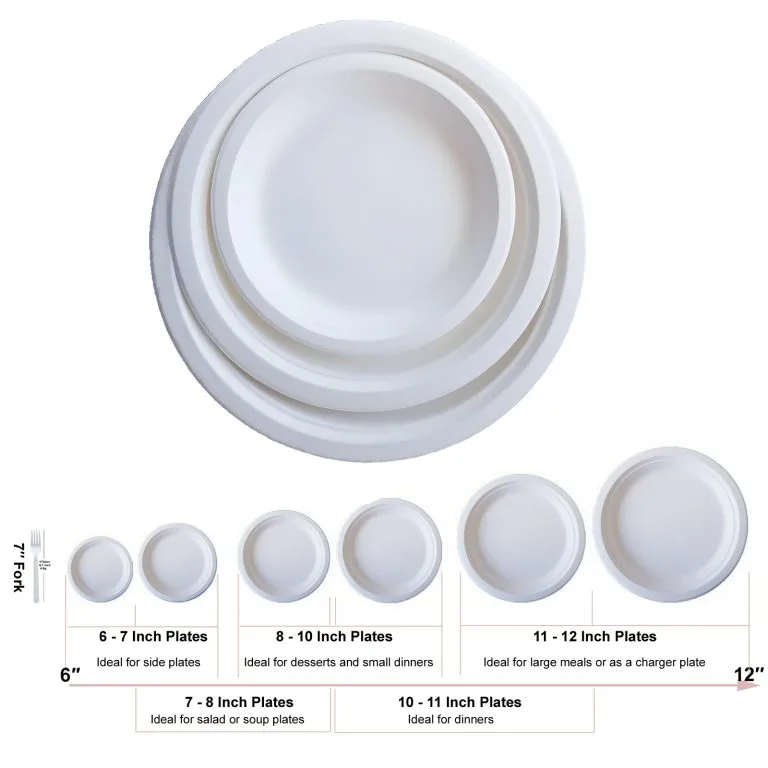
Yes — compostable alternatives. High-quality eco trays are heat-resistant up to 120°C and freezer-safe. They’re ideal for packing hot dishes like rice and curries or cold items like salads, desserts, and refrigerated meals.
Renewable Resource: Since sugarcane is harvested and grown repeatedly, the containers become eco-friendly, and more products can be produced using bagasse fiber. This approach in a holistic way starts reducing waste entirely. Decomposable & Environment Friendly: Because of the usage of bagasse containers eliminate the need for plastic and styrofoam bowls. This approach further helps eliminate waste from dumping/filling grounds and further helps the environment while everything decomposes into compost materials.
Health comes first — compostable alternatives. Safety is further guaranteed when you’ve got our trays with lids that don’t have PFAS and BPA in them, two neatly packed chemicals that bring peace to the consumer as they do not have any synthetic materials that pose health risks. So, you know that our products are safe and clean when it comes to packaging and using them.
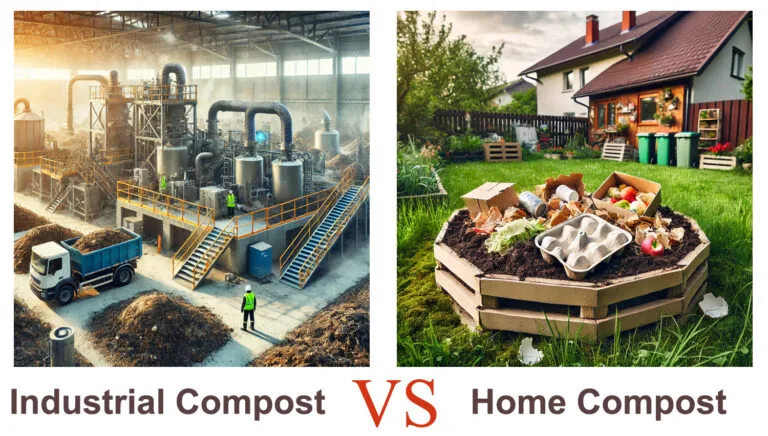
Feature Industrial Composting Home Composting Eco-Friendliness High, as it diverts large amounts of waste from landfills High, but limited to household waste Convenience Requires access to commercial composting facilities Can be done at home with a compost bin 100% Biodegradable Yes, in optimal conditions Yes, for natural materials Decomposition Time Few weeks to months Several months to a year Decomposition Conditions High temperature, moisture, aeration Lower temperature, natural breakdown How to Identify If a Product Is Compostable? Identifying compostable products is essential to ensuring they break down as intended. Here are key indicators:
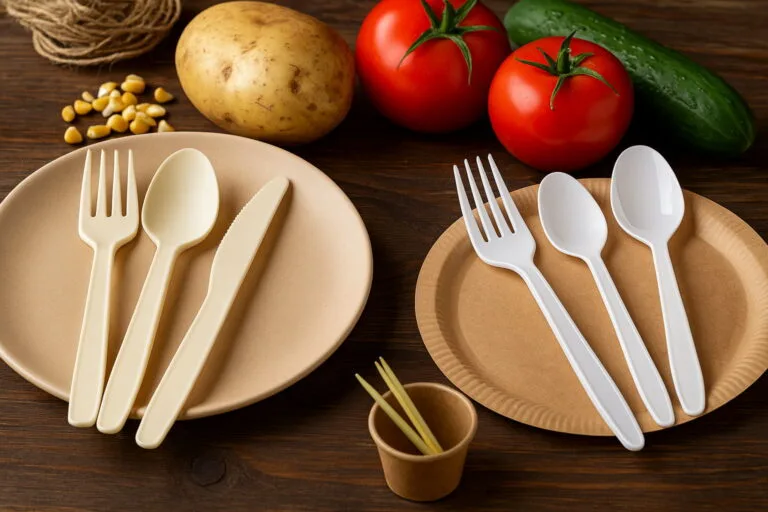
Many biodegradable products decompose well in a home composting system. Below are some examples: Fruit and vegetable scraps Eggshells Coffee grounds and paper coffee filters Tea leaves and unbleached tea bags Uncoated paper napkins and paper towels Shredded cardboard and newspaper Yard waste (grass clippings, leaves, twigs) Wood-based compostable cutlery (if untreated) 100% natural fiber fabric scraps (cotton, wool, hemp) Pet fur and human hair What Is Home Compost home compostable home compost The Difference Between Industrial Compost and Home Compost? While both methods aim to break down organic waste into nutrient-rich compost, their processes, conditions, and capabilities vary significantly. Temperature & Processing Time: Industrial composting requires high temperatures (above 55°C) and can break down materials in a few weeks , compostable alternatives.
Join the global movement toward zero-waste packaging.
Bioleader® offers:
📦 Bulk order support & fast delivery
✍️ Custom branding and OEM solutions
🌍 Worldwide eco-packaging compliance
Get the Catalogue Products List & Contact Us Now! 👉
📧 Email : [email protected]
📲 WhatsApp : +86-15980856610
🟢 Wechat : bioleader
📍 Add : No.39 Xinglong Road, Xiamen, China
Copyright © 2015–2026 Xiamen Bioleader Environmental Protection Co., Ltd | All Rights Reserved. Privacy Policy | AI Policy | Sitemap
Welcome to Bioleader Pack! 🌿
👉 Get a Quick Quote, Customized & Sample Details. We're online to help with your sourcing needs!
📩 Need Catalog & Price List? Email us: [email protected]
⏰ Response within 6-12 hours.
(Due to timezone differences, if we're away, please email us or leave a message.)
Response time: < 8h | Catalog List
WhatsApp us