​ Circular Economy Packaging Compliance Checklist | Bioleader® Insights

Actionable coverage of ​ circular economy packaging: eco-friendly, biodegradable, compostable materials, performance data, and compliance under EN13432 & ASTM D6400. Includes BPI/TÜV references and Food-Contact Tested guidance for safe deployment. Buyer-focused: manufacturer insights, bulk/wholesale buying playbooks, OEM/ODM customization tips, full size range selection.
Quick Summary:
This guide clarifies global distinctions between “biodegradable” and “compostable” plastics and highlights the emerging compliance landscape for exporters. Compostable materials like bagasse and PLA require third-party certification (EN 13432, ASTM D6400, BPI, AS 4736 etc.), proper labeling, and EPR registration across regions—EU, North America, Asia-Pacific, Middle East, South America—to avoid customs delays and greenwashing penalties. Practical scenarios and a compliance checklist help B2B buyers and exporters meet regulatory demands and secure global market access.
​ circular economy packaging — Quick Summary
  • Items displayed (articles): 12
  • Last updated: 2025-07-24
  • Includes test data, compliance guides, buyer FAQs, and real-world use cases.

Editor’s Picks: Top ​ Circular Economy Packaging Guides 2025

FAQ of Bioleader's Eco-friendly Disposable Tableware

What are bagasse food trays made from?

Bagasse food trays are made from the fibrous residue left after extracting juice from sugarcane. This renewable material is molded into sturdy, compostable trays, providing an eco-friendly alternative to plastic or foam trays.

What are disposable bagasse food trays made of?

They are made from sugarcane bagasse—the fibrous byproduct left after extracting juice from sugarcane. This renewable material is molded into durable trays that are compostable, biodegradable, and plastic-free , ​ circular economy packaging.

Can I order disposable bagasse trays in bulk with branding?

Yes. Manufacturers offer bulk wholesale options with private label packaging, custom embossing, and logo printing—perfect for restaurants, meal kit services, schools, and environmentally conscious food businesses.

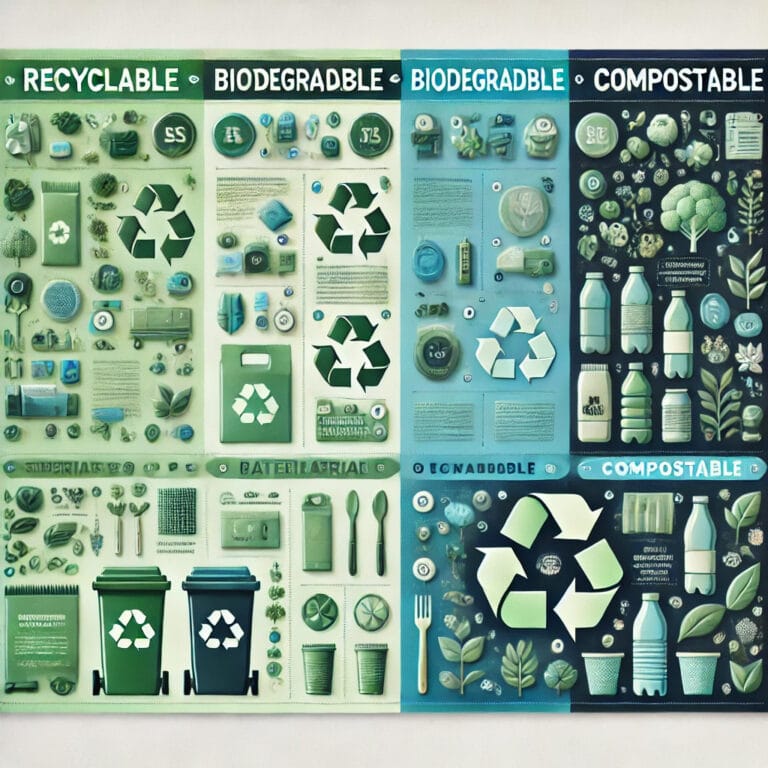
What is the difference between recyclable, biodegradable, and compostable packaging?

Recyclable packaging is processed into new materials; biodegradable breaks down naturally over time; compostable decomposes into nutrient-rich soil under specific conditions.

Is biodegradable packaging suitable for hot foods and liquids?

Modern biodegradable materials such as bagasse and CPLA can safely handle hot foods and beverages up to 120°C , ​ circular economy packaging. Always check product specifications , ​ circular economy packaging.

Related Insights

🚀Ready to Go Green and Choose ?

Join the global movement toward zero-waste packaging.


Bioleader® offers:

  • 📦 Bulk order support & fast delivery

  • ✍️ Custom branding and OEM solutions

  • 🌍 Worldwide eco-packaging compliance

Get the Catalogue Products List  & Contact Us Now! 👉

Contact us Below

Click or drag files to this area to upload.You can upload up to 5 files.
The more details you share, the faster and more accurate our quotation will be.