FAQ of Bioleader's Eco-friendly Disposable Tableware
Can environmentally friendly cutlery be customized for branding?
Absolutely , buy eco-friendly bioplastic. Many manufacturers offer customizable packaging and logo printing options, allowing businesses to enhance brand visibility and promote sustainability — buy eco-friendly bioplastic.
Is bio plastic cutlery safe for hot foods?
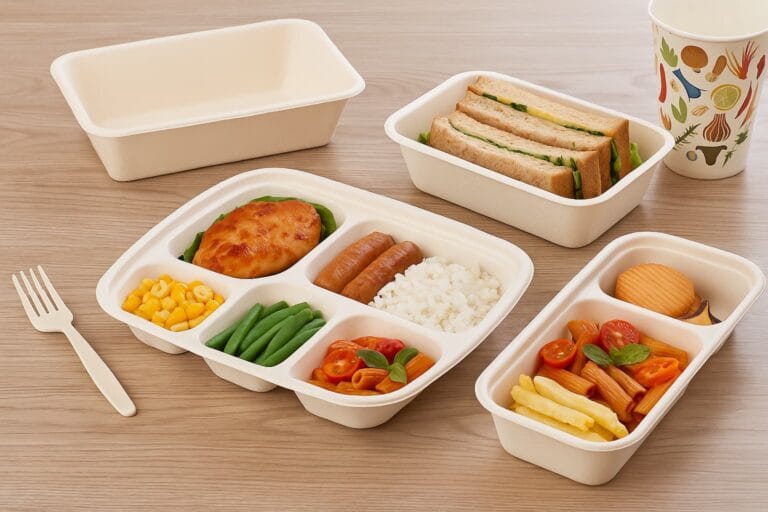
Yes, bio plastic cutlery is designed to be heat-resistant and durable, making it suitable for use with both hot and cold foods in various dining environments.
What are Earth Friendly Utensils Disposable Cutlery made from?
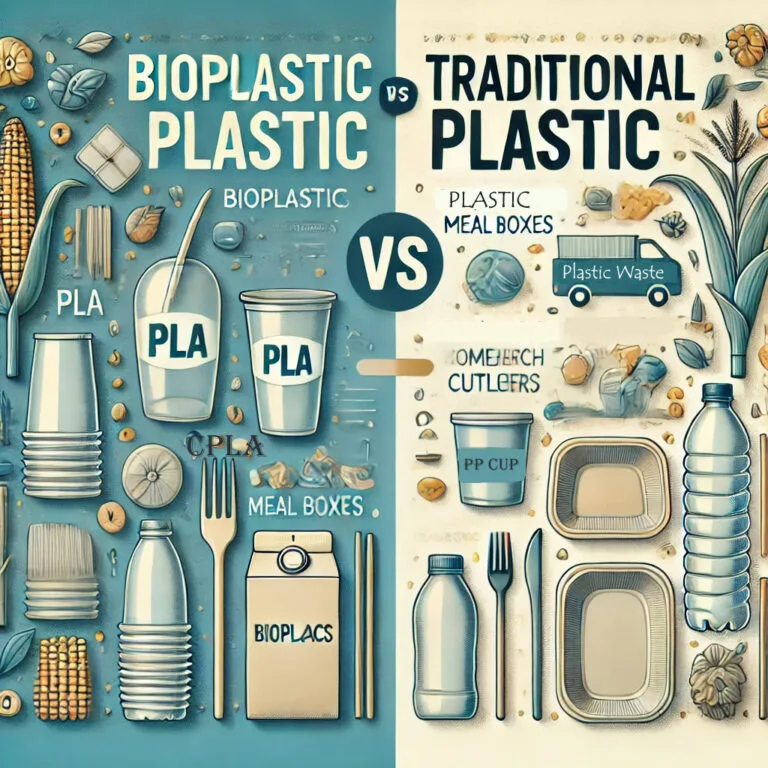
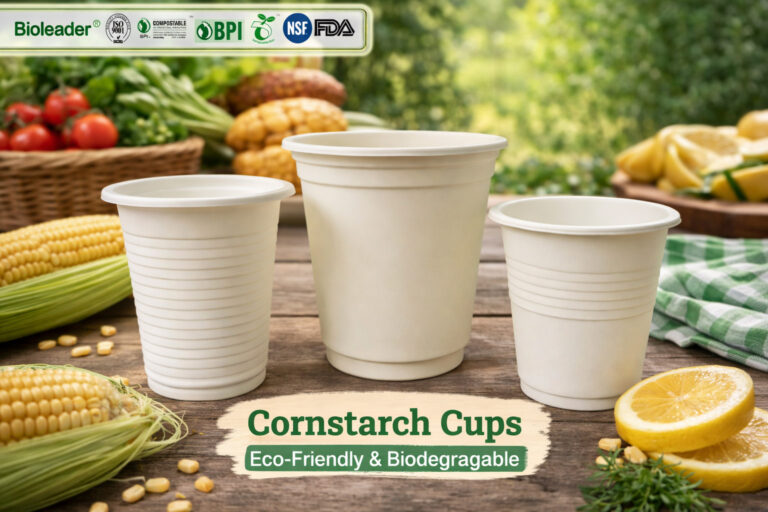
Earth Friendly Utensils Disposable Cutlery is made from renewable plant-based materials like cornstarch or PLA, making them biodegradable and compostable.
End-of-Life Scenarios
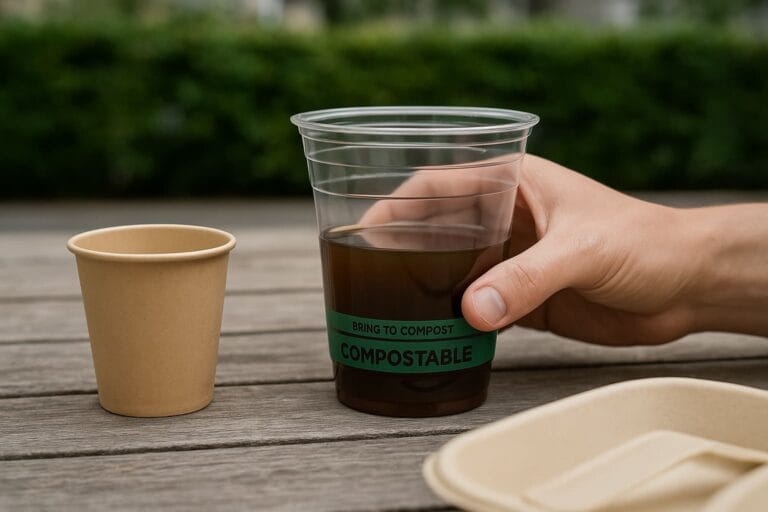
Recycling: Traditional plastics can be recycled mechanically or chemically, but low recycling rates, contamination, and downcycling remain problematic. Bioplastics can sometimes be recycled alongside conventional plastics, but this depends on the type of bioplastic and local recycling infrastructure. Composting: Certain bioplastics (e.g., PLA, starch blends) can be industrially composted under specific conditions—high temperature, controlled humidity, and microbial activity. However, if disposed of in a regular landfill, they may degrade as slowly as conventional plastics, negating much of their environmental advantage — buy eco-friendly bioplastic.
Environmental Footprint
Carbon Emissions: While the production of traditional plastics emits significant CO₂, bioplastics can sequester carbon during the feedstock growth phase. Nonetheless, the overall carbon balance depends heavily on farming practices, transportation, and the energy source used for production. Pollution and Waste: Traditional plastics persist in the environment for centuries. Bioplastics, especially those that are biodegradable or compostable, may degrade faster, though the conditions required for degradation (e.g., industrial composting facilities) are not always readily available.