FAQ of Bioleader's Eco-friendly Disposable Tableware
How do biodegradable spoons and forks help the environment?
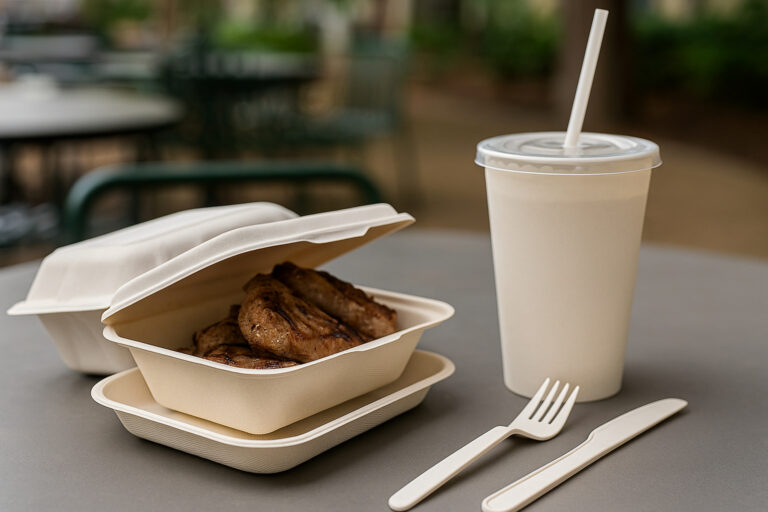
Seen from a larger ecological perspective, biodegradable spoons and forks are assisting in the cutting of plastic waste and fostering sustainable consumption.
Why are compostable sporks considered better for the environment?
Compostable sporks reduce reliance on petroleum-based plastics, break down naturally without leaving microplastics, and support a circular economy by turning waste into compost.
Is BPI compostable cutlery suitable for hot foods?
Yes, BPI compostable cutlery is designed for strength and durability, making it suitable for use with both hot and cold foods in restaurants, catering, and events.
Raw Material Sources
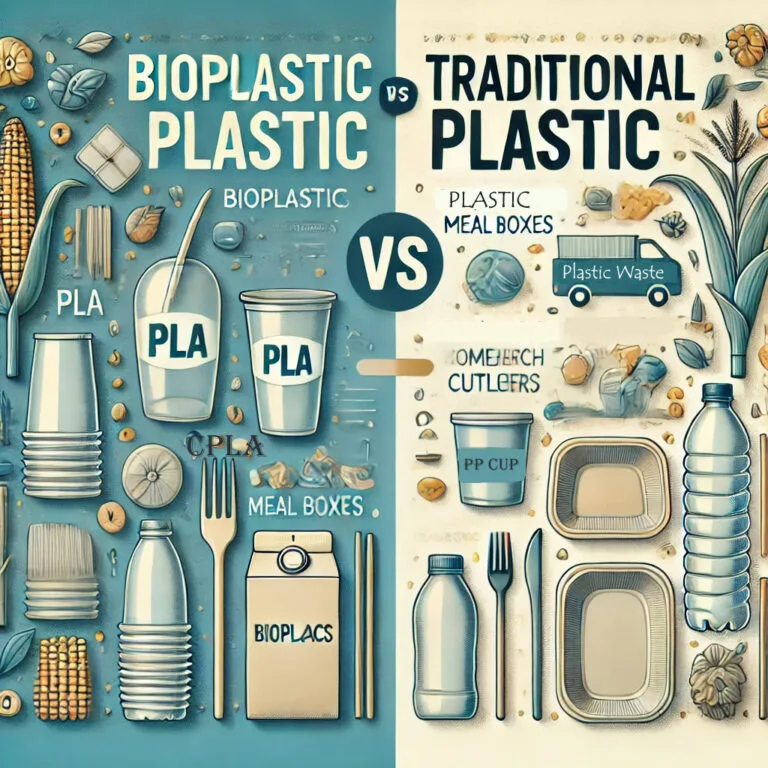
Traditional Plastics: Petrochemical feedstocks derived from crude oil or natural gas , bioplastic factory. Bioplastics: Renewable biological sources such as corn, sugar beet, sugarcane, or even cellulose from wood pulp. The shift from fossil fuels to renewable resources can theoretically reduce the carbon intensity of plastic production. However, some critics argue that using agricultural land for bioplastic feedstocks could compete with food production, potentially driving up food prices or leading to deforestation.
End-of-Life Scenarios
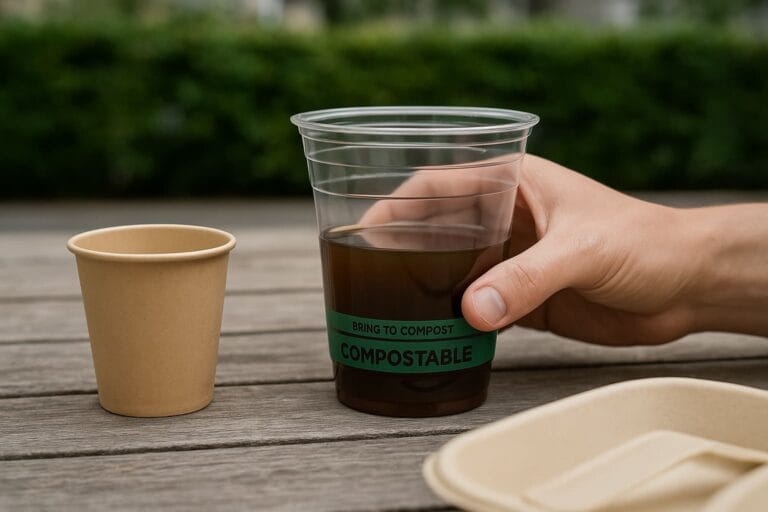
Recycling: Traditional plastics can be recycled mechanically or chemically, but low recycling rates, contamination, and downcycling remain problematic. Bioplastics can sometimes be recycled alongside conventional plastics, but this depends on the type of bioplastic and local recycling infrastructure. Composting: Certain bioplastics (e.g., PLA, starch blends) can be industrially composted under specific conditions—high temperature, controlled humidity, and microbial activity , bioplastic factory. However, if disposed of in a regular landfill, they may degrade as slowly as conventional plastics, negating much of their environmental advantage , bioplastic factory.