FAQ of Bioleader's Eco-friendly Disposable Tableware
What are environmentally friendly cutlery made from?
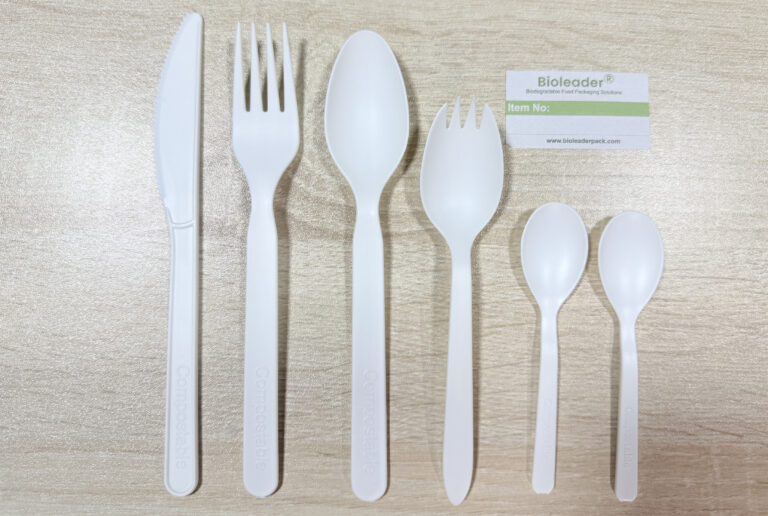
Environmentally friendly cutlery is typically made from renewable plant-based materials such as cornstarch, PLA, or sugarcane, making them biodegradable and compostable — bioplastic China.
How long does it take for bio plastic cutlery to decompose?
Under industrial composting conditions, bio plastic cutlery generally decomposes within 90 to 180 days, depending on the material and composting environment.
Can individually wrapped plastic cutlery be customized?
Yes, many manufacturers offer custom wrapping designs and logo printing, helping businesses enhance their branding and provide a professional image to customers.
Bioplastics
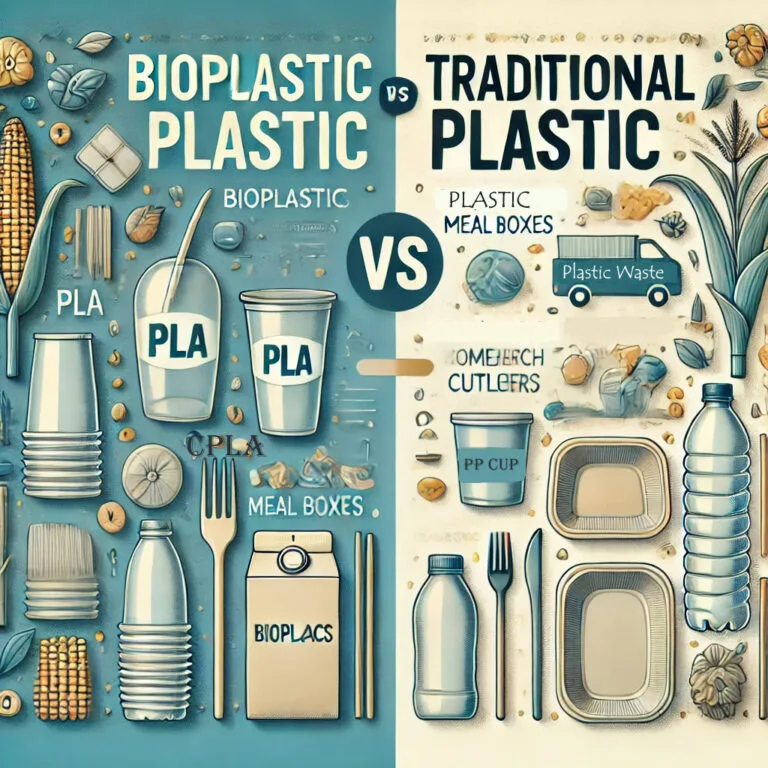
Bioplastics encompass a broad category of materials that are either bio-based, biodegradable, or both. The most common feedstocks include cornstarch, sugarcane, and potato starch, though research has also explored sources like algae and agricultural waste — bioplastic China. Some of the well-known bioplastic types are: PLA (Polylactic Acid): Often derived from cornstarch or sugarcane. PLA is widely used for packaging, disposable tableware, and 3D printing filaments.
Raw Material Sources
Traditional Plastics: Petrochemical feedstocks derived from crude oil or natural gas. Bioplastics: Renewable biological sources such as corn, sugar beet, sugarcane, or even cellulose from wood pulp. The shift from fossil fuels to renewable resources can theoretically reduce the carbon intensity of plastic production. However, some critics argue that using agricultural land for bioplastic feedstocks could compete with food production, potentially driving up food prices or leading to deforestation , bioplastic China.