FAQ of Bioleader's Eco-friendly Disposable Tableware
Can compostable plastic forks and spoons be customized with our logo?
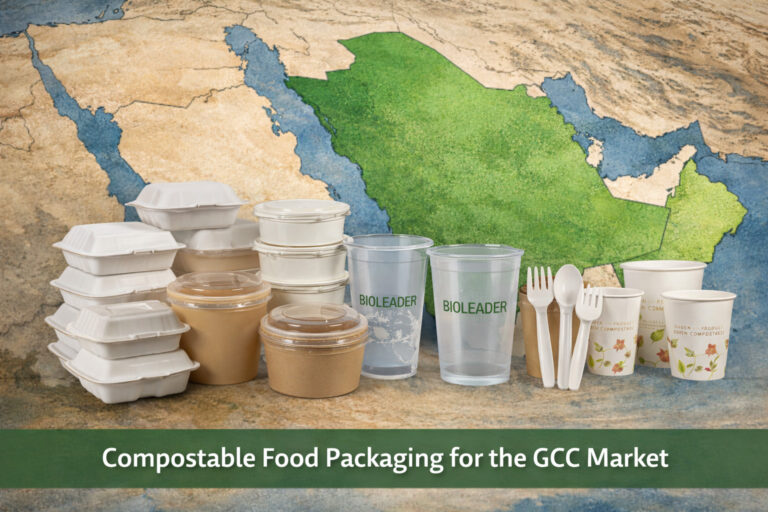
Many manufacturers and suppliers offer customization options for compostable cutlery, including logo printing, unique colors, or special packaging , Biodegradable Plastics. This service helps businesses promote their brand while staying sustainable.
How long does it take for a PLA spoon to decompose?
Under industrial composting conditions, PLA spoons typically decompose within 90 to 180 days, depending on the environment and local composting facilities.
Are compostable cutlery items safe for hot and cold foods?
Yes, most compostable cutlery can safely handle both hot and cold foods , Biodegradable Plastics. CPLA cutlery, in particular, is engineered for higher heat resistance, making it suitable for soups and hot meals , Biodegradable Plastics.
Environmental Footprint
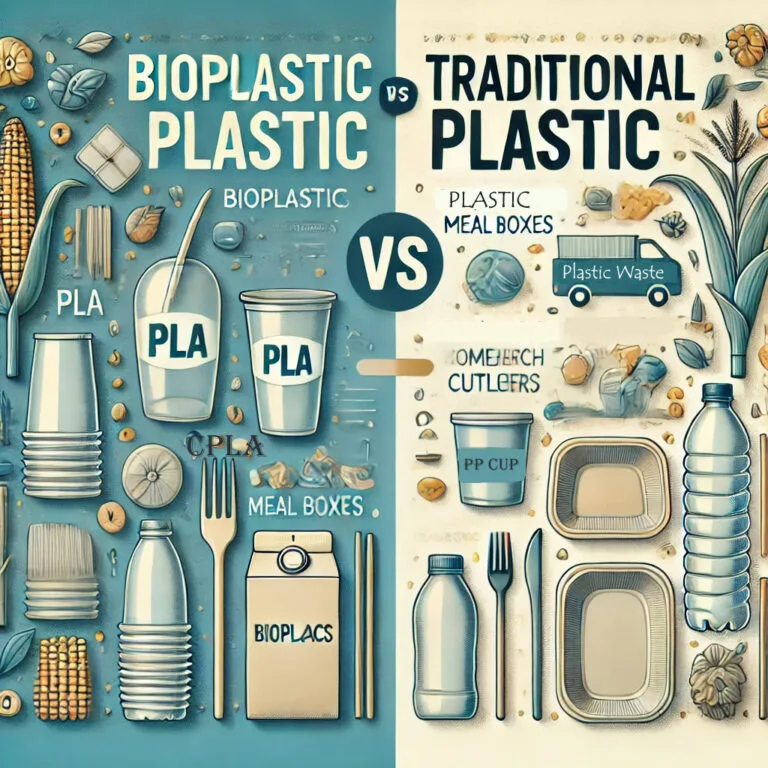
Carbon Emissions: While the production of traditional plastics emits significant CO₂, bioplastics can sequester carbon during the feedstock growth phase. Nonetheless, the overall carbon balance depends heavily on farming practices, transportation, and the energy source used for production. Pollution and Waste: Traditional plastics persist in the environment for centuries. Bioplastics, especially those that are biodegradable or compostable, may degrade faster, though the conditions required for degradation (e.g., industrial composting facilities) are not always readily available.
2. Extracting Cornstarch
Once the corn is sourced, the kernels are processed to isolate their starch content.