FAQ of Bioleader's Eco-friendly Disposable Tableware
How are biodegradable spoons and forks produced?
These utensils are created through a meticulous production process, ensuring high quality and durability.
What is bio plastic cutlery made from?
Bio plastic cutlery is typically made from renewable plant-based materials such as cornstarch, PLA, or sugarcane, making it biodegradable and compostable.
Is bio plastic cutlery safe for hot foods?
Yes, bio plastic cutlery is designed to be heat-resistant and durable, making it suitable for use with both hot and cold foods in various dining environments , Biodegradable Food Packaging.
What is replacing single-use plastic food packaging in 2025?
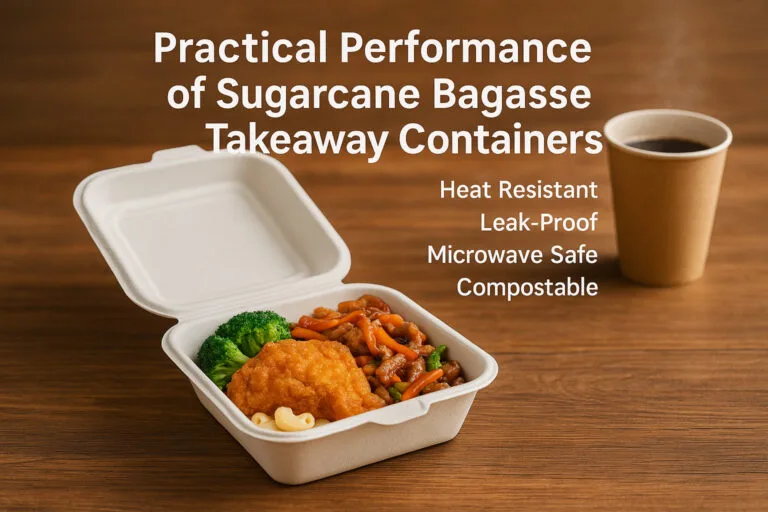
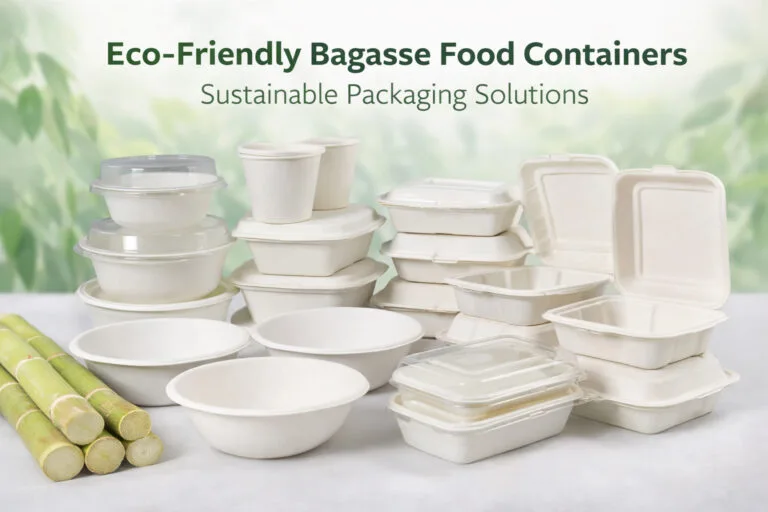
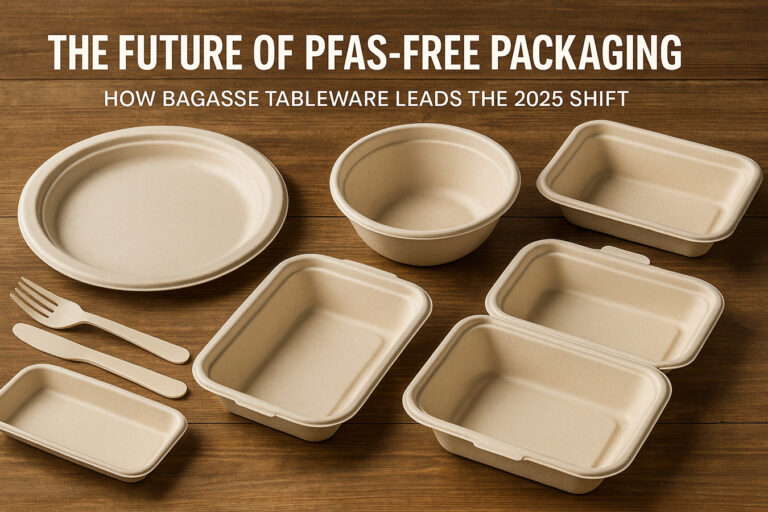
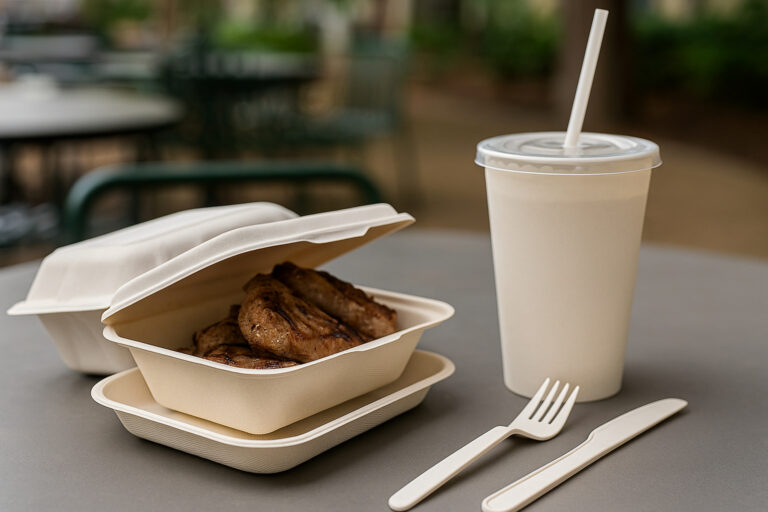
Compostable tableware made from materials like bagasse, cornstarch, and kraft paper is replacing banned single-use plastic containers, cutlery, and cups across North America , Biodegradable Food Packaging.
2.1 What is Extended Producer Responsibility (EPR)?
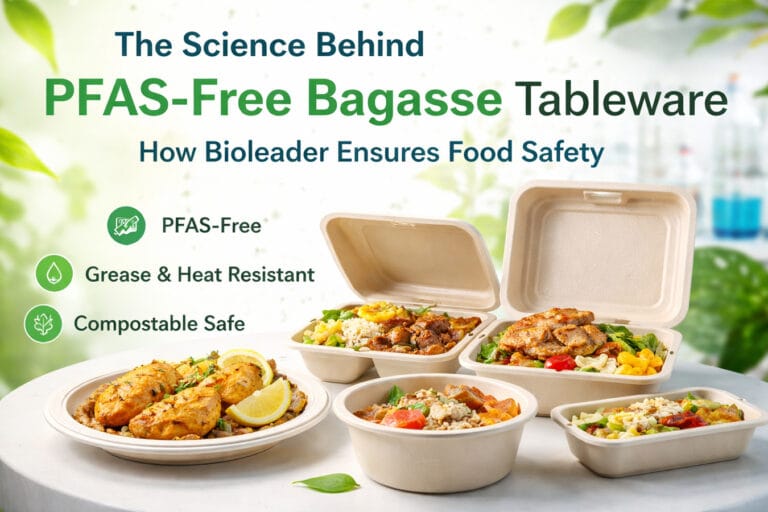
EPR is a policy approach that holds manufacturers accountable for the end-of-life disposal and recycling of their products and packaging , Biodegradable Food Packaging. By shifting the responsibility to producers, governments aim to reduce environmental harm and promote sustainability. Under EPR, packaging manufacturers must use materials that are compostable, recyclable, or reusable, ensuring that products have minimal impact on landfills and the environment. Key requirements often include ensuring that packaging is free from harmful chemicals like PFAS (Per- and polyfluoroalkyl substances), that it is compostable, and that it meets regional recycling standards.