FAQ of Bioleader's Eco-friendly Disposable Tableware
What is BPI compostable cutlery made from?
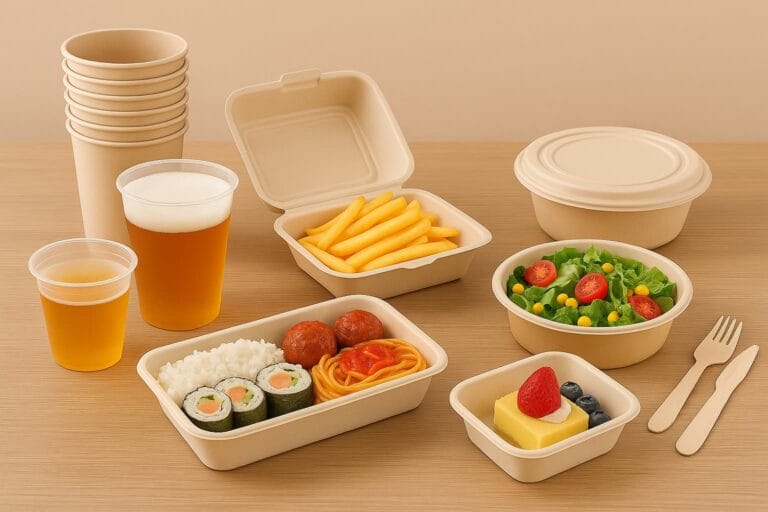
BPI compostable cutlery is typically made from plant-based materials such as cornstarch, PLA, or other renewable bioplastics that fully biodegrade under commercial composting conditions , biodegradable food containers supplier.
Why should businesses switch to earth friendly disposable cutlery?
Switching to earth friendly disposable cutlery helps reduce plastic waste, meets eco-conscious consumer demand, and positions a business as a leader in sustainability.
Are compostable cutlery items safe for hot and cold foods?
Yes, most compostable cutlery can safely handle both hot and cold foods. CPLA cutlery, in particular, is engineered for higher heat resistance, making it suitable for soups and hot meals.
Synthetic Biodegradable Materials
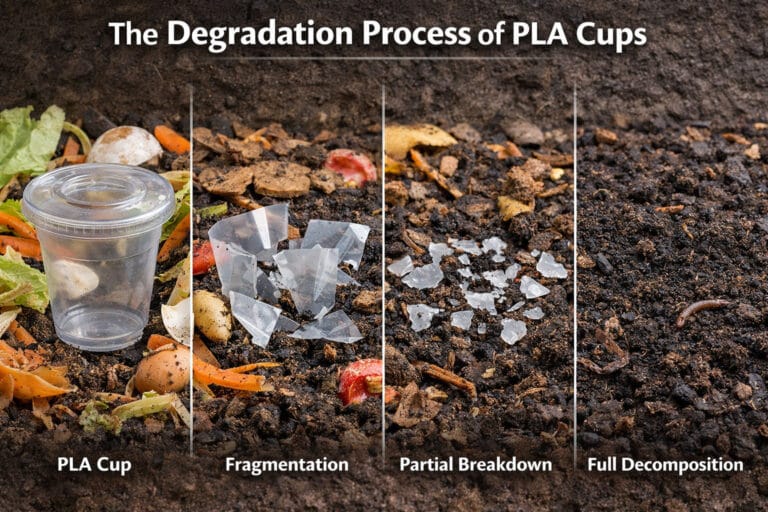
Polylactic Acid (PLA): A plant-derived plastic from cornstarch or sugarcane, decomposing within industrial composting facilities — biodegradable food containers supplier. Polyhydroxyalkanoates (PHA): Microbial fermentation-derived bioplastic, capable of degrading under various environmental conditions, including marine environments.
Biodegradation Process
Biodeterioration: Initiated by environmental elements like ultraviolet radiation, moisture, and physical abrasion, breaking down material integrity — biodegradable food containers supplier. Biofragmentation: Microorganisms secrete enzymes, fragmenting complex materials into smaller, simpler molecules. Assimilation: Microbes uptake these fragmented molecules for energy and growth. Mineralization: Final transformation into fundamental natural elements like carbon dioxide and water.