The 2025 Buyer’s Guide To Biodegradable And Compostable Differences | Bioleader® Insights
Actionable coverage of Biodegradable and Compostable Differences: eco-friendly, biodegradable, compostable materials, performance data, and compliance under EN13432 & ASTM D6400. Includes BPI/TÜV references and Food-Contact Tested guidance for safe deployment. Buyer-focused: manufacturer insights, bulk/wholesale buying playbooks, OEM/ODM customization tips, full size range selection.
Biodegradable and Compostable Differences — Quick Summary
Items displayed (articles): 12
Last updated: 2025-01-19
Includes test data, compliance guides, buyer FAQs, and real-world use cases.
FAQ of Bioleader's Eco-friendly Disposable Tableware
Can environmentally friendly cutlery be customized for branding?
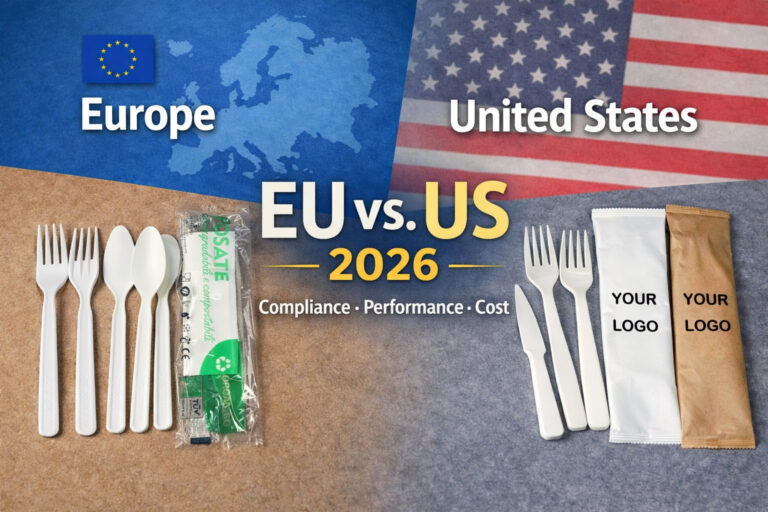
Absolutely. Many manufacturers offer customizable packaging and logo printing options, allowing businesses to enhance brand visibility and promote sustainability.
What are Earth Friendly Utensils Disposable Cutlery made from?
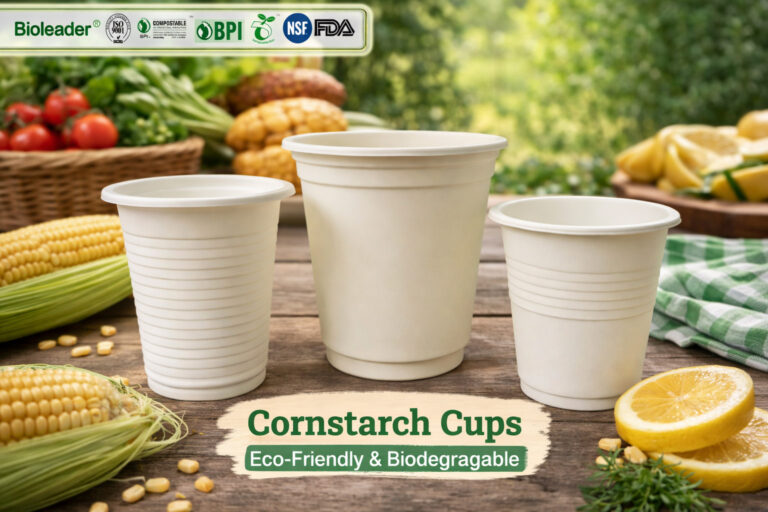
Earth Friendly Utensils Disposable Cutlery is made from renewable plant-based materials like cornstarch or PLA, making them biodegradable and compostable.
Are compostable sporks safe for hot and cold foods?
Yes, compostable sporks are designed to handle both hot and cold foods — Biodegradable and Compostable Differences. They maintain their strength and stability even when used with soups, salads, or hot dishes.
What Does Compostable Mean?
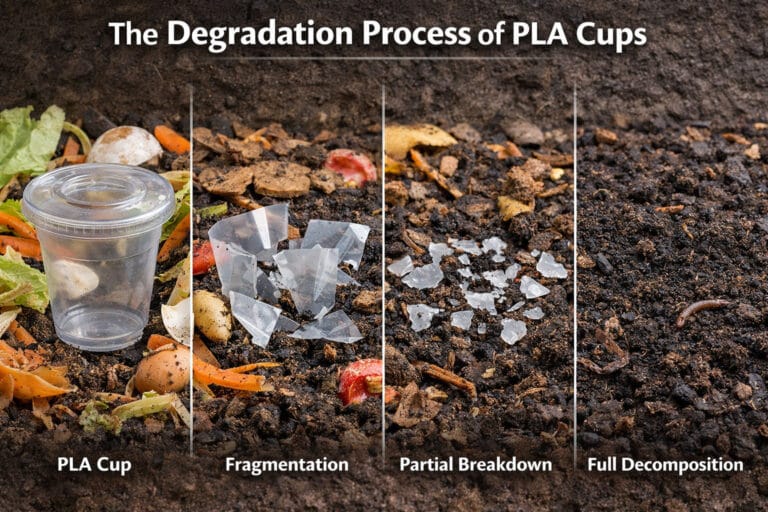
Compostable refers to the ability of a material to decompose in a composting environment, resulting in nutrient-rich compost (humus) that can enhance soil quality — Biodegradable and Compostable Differences. Breakdown Time: Usually within a set timeframe, typically 90-180 days in industrial composting facilities. Residue Left Behind: Compostable materials break down into non-toxic components and enrich the soil — Biodegradable and Compostable Differences. Examples: Organic waste: Food scraps, leaves, and garden waste.
Pros of Biodegradable Materials
Reduces landfill accumulation over time. Offers a potential alternative to traditional plastics.