FAQ of Bioleader's Eco-friendly Disposable Tableware
Can bio plastic cutlery be customized for branding?
Absolutely. Many manufacturers offer customizable options for bio plastic cutlery, including packaging, color, and logo printing to support branding and marketing needs , Bio-based Coating.
How long does it take for a PLA spoon to decompose?
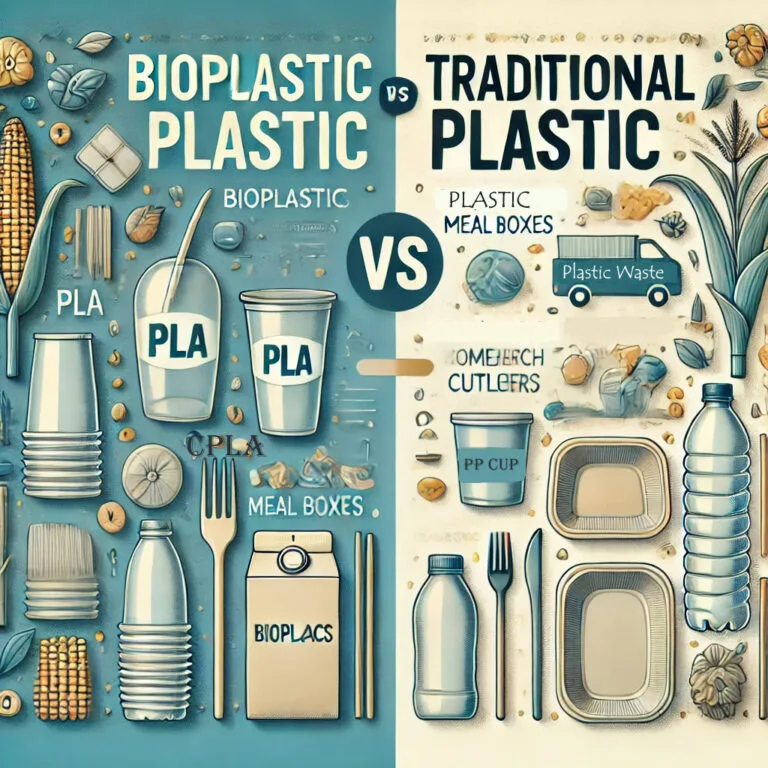
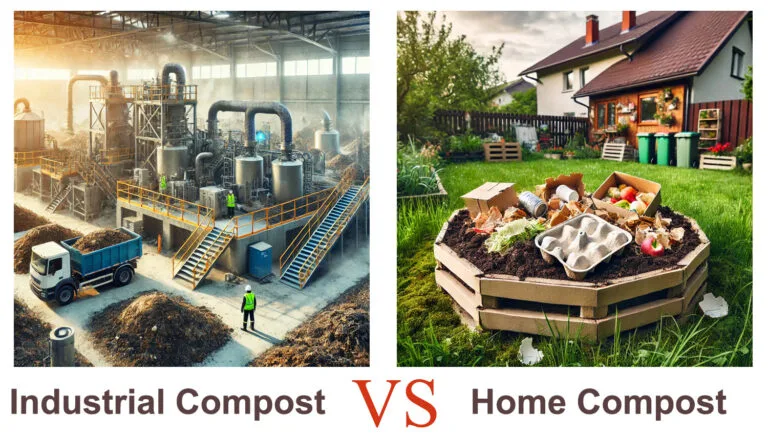
Under industrial composting conditions, PLA spoons typically decompose within 90 to 180 days, depending on the environment and local composting facilities.
How long does BPI compostable cutlery take to decompose?
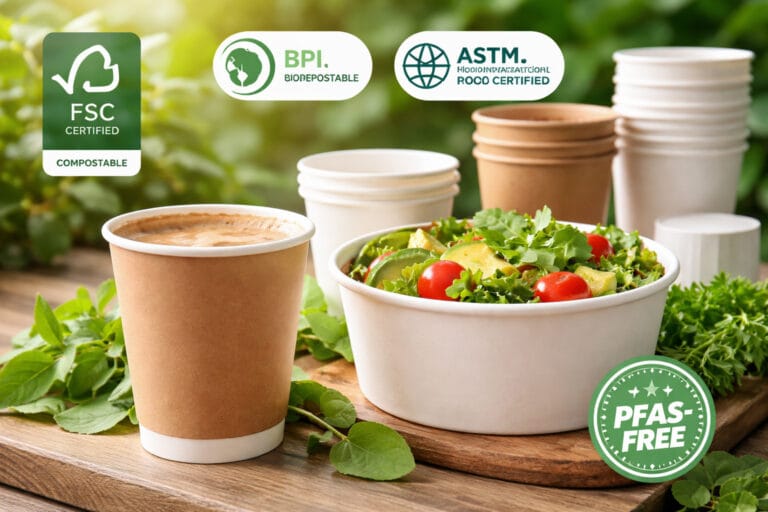
Under commercial composting conditions, BPI compostable cutlery typically decomposes within 90 to 180 days, depending on local facility standards and materials used — Bio-based Coating.
3. Aqueous Coatings: The Closest to “Plastic-Free”
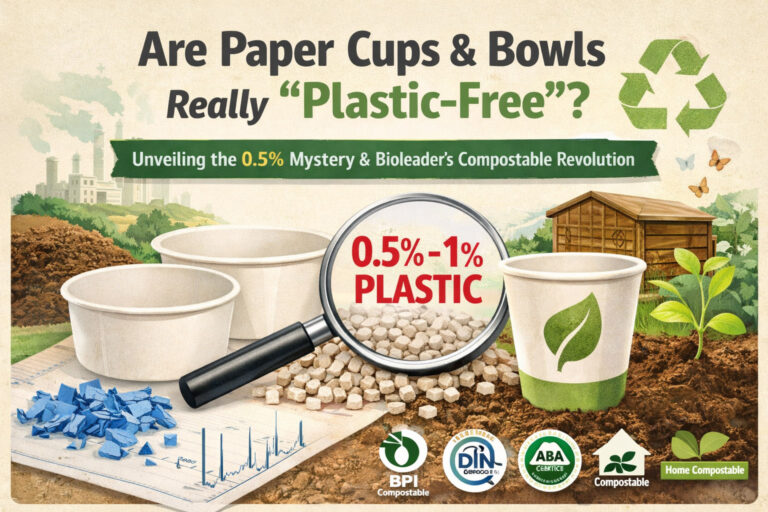
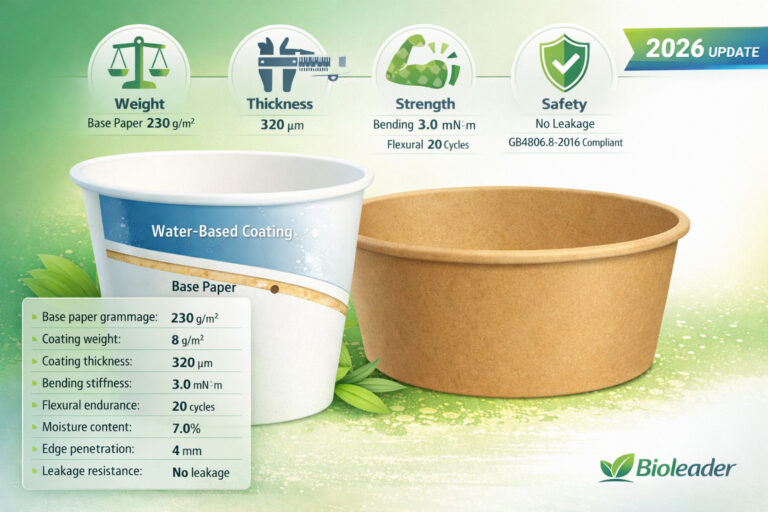
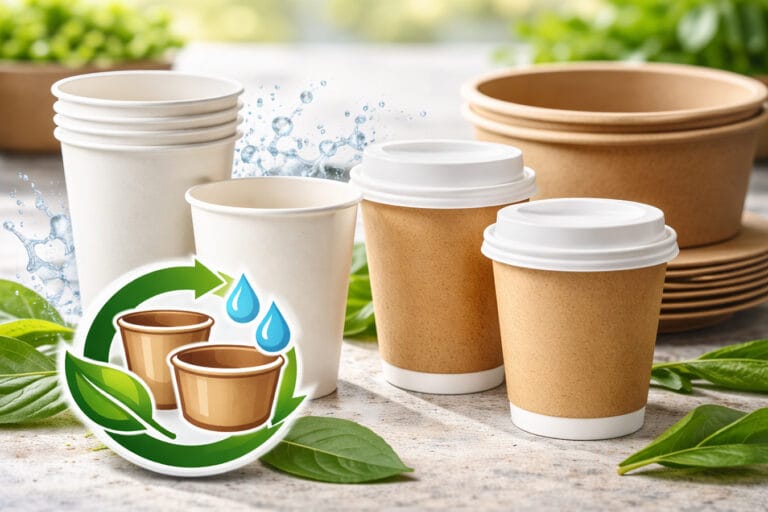
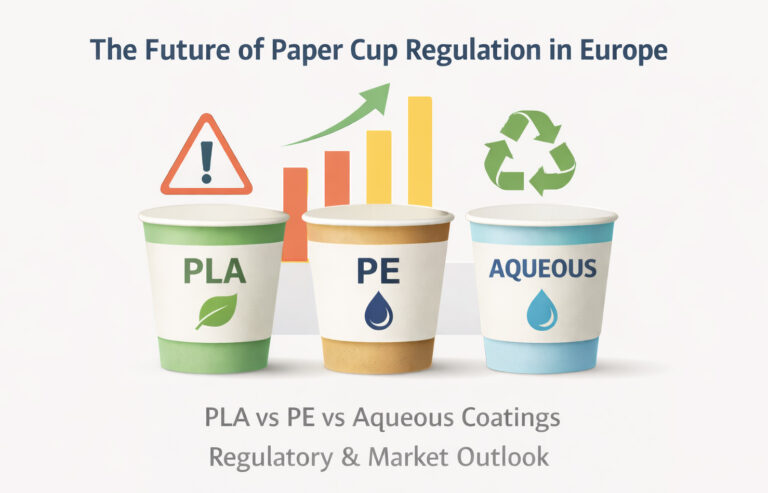
Among the available options, water-based aqueous coatings come closest to being truly plastic-free. These coatings are made from bio-based resins and create a thin, effective protective layer. While they are often classified as containing plastic, the actual content is typically limited to 0.5%-1%, which is much lower than traditional coatings or laminates. These coatings are water-based, making them an eco-friendly alternative, but the polymer additives used to create the film may still be detected as “plastic” by strict testing methods.
1. Coating vs. Lamination: Why the Method Matters
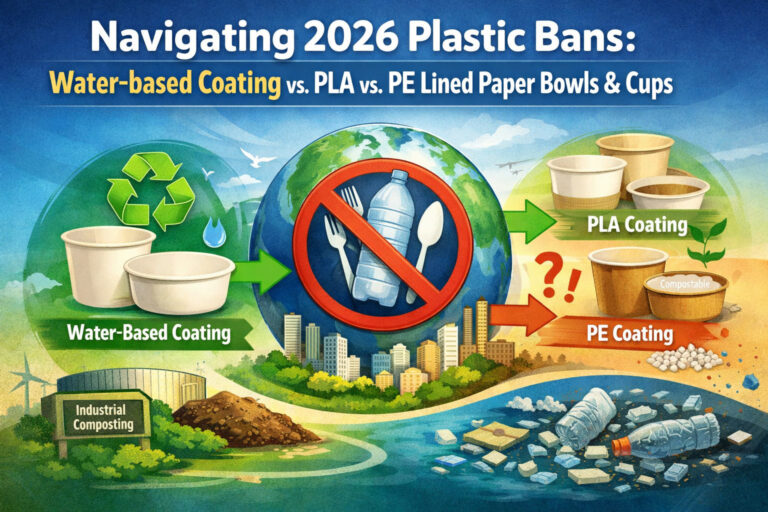
Coating: Coating is a thin, liquid application on paper that forms a protective layer when dried. The most common example in eco-friendly packaging is aqueous coating, which is water-based and widely used for paper products. Lamination: Lamination involves bonding a plastic film to paper, creating a thicker protective layer. This method often uses PE (polyethylene) or other synthetic materials, which makes it harder to degrade or recycle , Bio-based Coating.