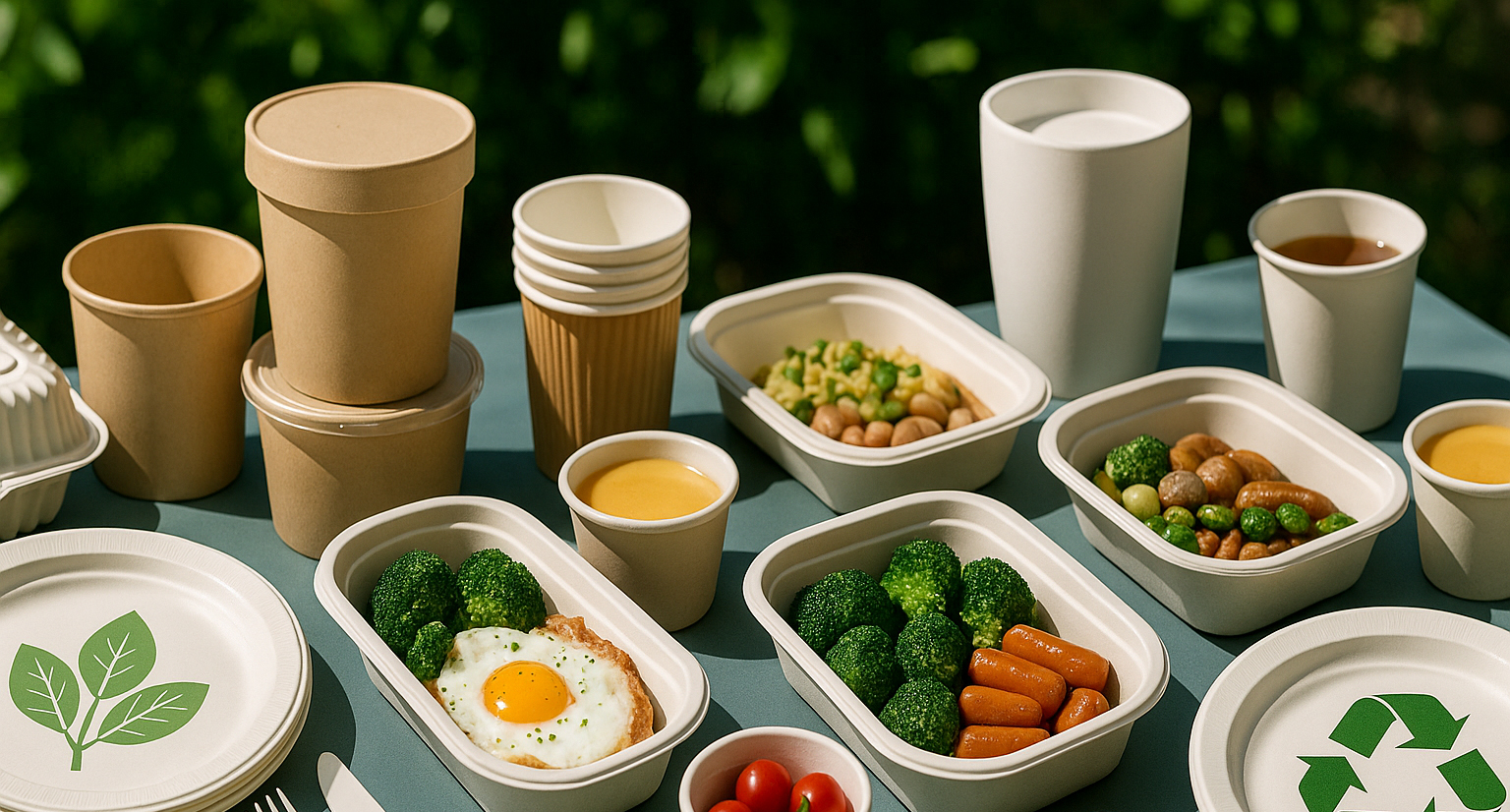
Disposable bowls are widely used across various foodservice industries, from takeout containers to events and parties. They come in multiple materials, each offering specific advantages in durability, heat resistance, and environmental impact. Choosing the right material depends on the specific application and sustainability goals. This guide explores the most commonly used types and materials of disposable bowls, evaluates their pros and cons, and highlights the environmental considerations associated with each.


Takeaway containers are made from a variety of materials including sugarcane bagasse, kraft paper, PLA bioplastics, PP plastic, and aluminum. For eco-friendly applications, compostable bagasse and PLA are the most sustainable choices.
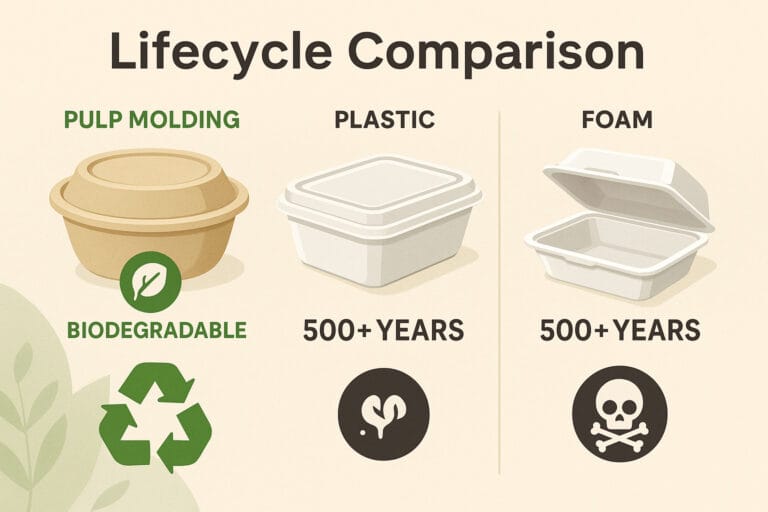
In industrial composting conditions, bagasse trays decompose within 60–90 days , bamboo fiber bowls supplier. In home composting systems, the breakdown may take 90–120 days, depending on factors like moisture, microbial activity, and temperature.
Compostable trays, especially those made from bagasse or sugarcane, usually decompose within 90 to 180 days in commercial or home composting environments, depending on moisture, temperature, and microbial activity.
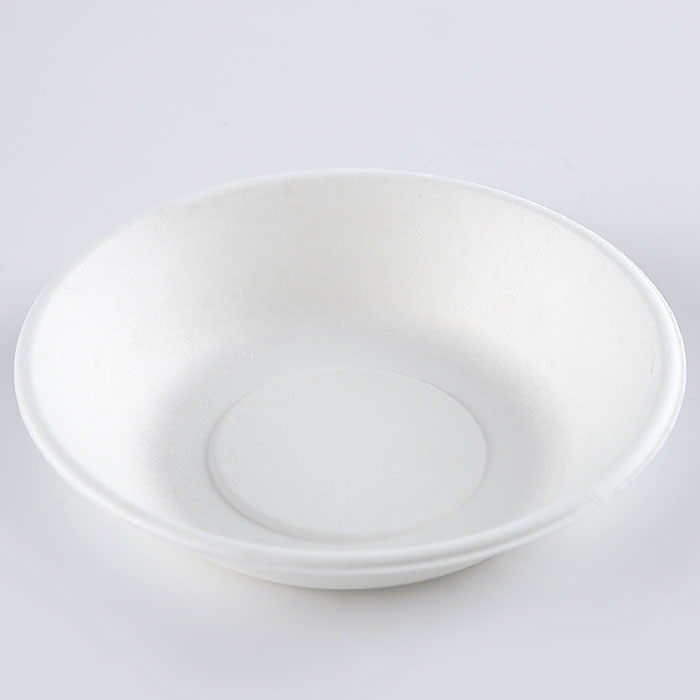
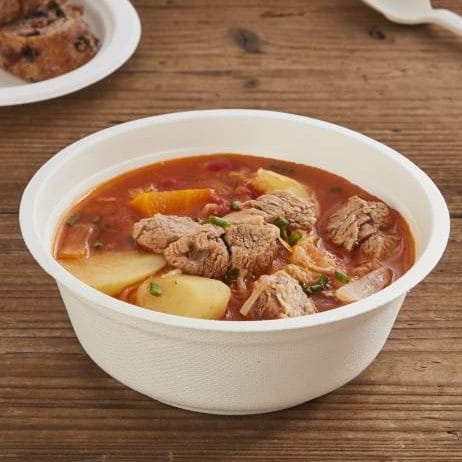
Bagasse is the fibrous residue left after extracting juice from sugarcane. It is often molded into disposable bowls, plates, and containers — bamboo fiber bowls supplier. Bagasse bowls are compostable and biodegradable, making them an excellent choice for eco-conscious businesses. Pros: Compostable and biodegradable Sturdy and resistant to leaks Microwave-safe and can withstand heat up to 220°F (104°C) Cons: Can become soft if exposed to liquids for extended periods Slightly more expensive than paper alternatives
Cupstock paper is a type of paperboard designed for holding liquids. It is often used for coffee cups, soup bowls, and ice cream containers. Cupstock paper bowls are usually lined with plastic or bioplastic (PLA), which can be compostable under the right conditions. Pros: Smooth surface suitable for high-quality prints Strong and reliable for holding hot liquids Compostable if PLA lining is used Cons: Plastic lining complicates recycling and composting Not as eco-friendly as fiber-based alternatives like bagasse , bamboo fiber bowls supplier.
Join the global movement toward zero-waste packaging.
Bioleader® offers:
📦 Bulk order support & fast delivery
✍️ Custom branding and OEM solutions
🌍 Worldwide eco-packaging compliance
Get the Catalogue Products List & Contact Us Now! 👉
📧 Email : [email protected]
📲 WhatsApp : +86-15980856610
🟢 Wechat : bioleader
📍 Add : No.39 Xinglong Road, Xiamen, China
Copyright © 2015–2025 Xiamen Bioleader Environmental Protection Co., Ltd | All Rights Reserved. Privacy Policy | AI Policy | Sitemap
WhatsApp us