FAQ of Bioleader's Eco-friendly Disposable Tableware
Can compostable sporks be customized for branding?
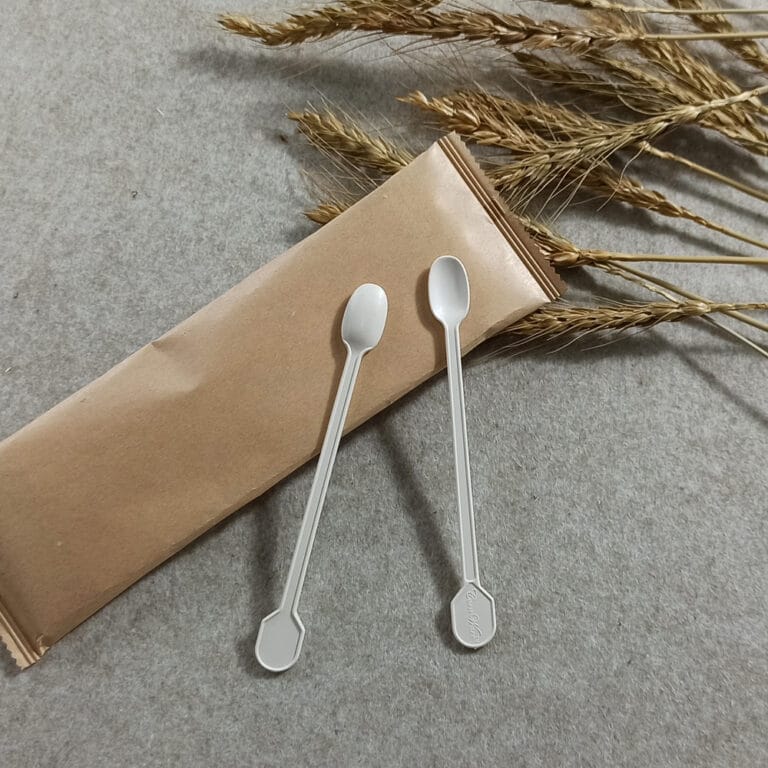
Absolutely — bagasse microwave-safe containers. Many manufacturers offer full customization of compostable sporks, including packaging design, logo printing, and size variations to meet branding needs.
Are biodegradable plastic forks and spoons safe for food contact?
Yes, these products are manufactured to be food-safe, free from toxic chemicals, and suitable for direct contact with all types of food.
Are there trends toward more sustainable disposable tableware?
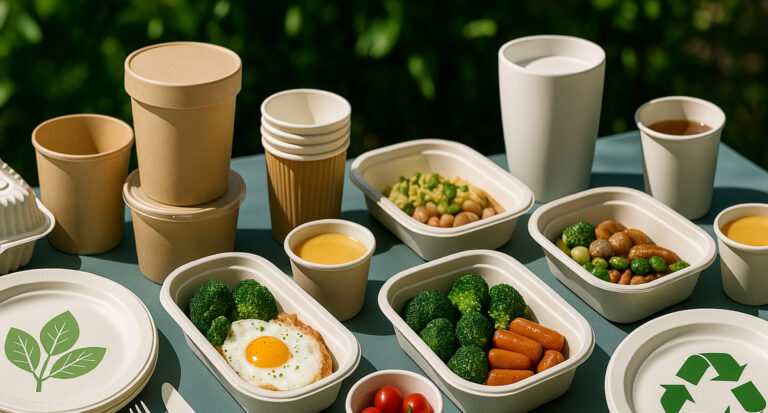
As the industry moves forward, so do the trends with it: disposable plates that don’t hurt the environment are already here.
Reference Source List:
“Biodegradability of Sugarcane Bagasse-based Materials” – ResearchGate “The Environmental Impact of Plastic Packaging” – ScienceDirect “Comparison of Biodegradable and Plastic Packaging: A Lifecycle Analysis” – Journal of Sustainable Materials “Microplastic Contamination in Food Packaging” – Environmental Research Journal “The Future of Sustainable Packaging: Trends and Innovations” – Forbes “Government Regulations on Plastic Bans” – World Economic Forum “The Rise of Compostable Packaging in the Food Industry” – National Geographic { “@context”: “https://schema.org”, “@type”: “FAQPage”, “mainEntity”: [ { “@type”: “Question”, “name”: “What is bagasse, and how is it used in food packaging?”, “acceptedAnswer”: { “@type”: “Answer”, “text”: “Bagasse is the fibrous residue left after extracting juice from sugarcane , bagasse microwave-safe containers. Instead of being discarded as waste, it is repurposed to create biodegradable and compostable food containers, offering a sustainable alternative to plastic packaging.” }}, { “@type”: “Question”, “name”: “Are bagasse food containers safe for hot and cold foods?”, “acceptedAnswer”: { “@type”: “Answer”, “text”: “Yes, bagasse containers are heat-resistant and safe for hot and cold foods. They can be used in microwaves and freezers without compromising their structural integrity or safety.” } }, { “@type”: “Question”, “name”: “How long does it take for a bagasse container to decompose?”, “acceptedAnswer”: { “@type”: “Answer”, “text”: “Under industrial composting conditions, bagasse containers typically decompose within 60 to 90 days. In natural environments, the breakdown time may vary depending on temperature, moisture, and microbial activity.” } }, { “@type”: “Question”, “name”: “How do bagasse containers compare to plastic in terms of cost?”, “acceptedAnswer”: { “@type”: “Answer”, “text”: “Bagasse containers are currently more expensive than plastic due to production processes and limited large-scale manufacturing.
Comparison Table: Bagasse vs. Plastic Containers
Feature Bagasse Containers Plastic Containers Material Sugarcane byproduct (renewable) Petroleum-based (non-renewable) Durability Sturdy but less moisture-resistant Highly durable and moisture-resistant Biodegradability 100% biodegradable (60-90 days) Takes hundreds of years to decompose Compostability Industrial and home compostable Not compostable Microwave Safe Yes Some types are microwave-safe Portability Lightweight and strong Lightweight and strong Cost Higher than plastic Low production cost Environmental Impact Low carbon footprint, reduces waste High pollution, contributes to microplastics Future Trends of Takeaway Food Packaging The future of takeaway food packaging is shifting toward sustainability-driven innovations. Several emerging trends indicate a move away from single-use plastics: Increased Use of Biodegradable Materials – Governments and businesses are adopting bagasse, bamboo fiber, and plant-based bioplastics to replace conventional plastic. Reusable and Returnable Packaging – Circular economy models encourage reusable containers to minimize waste — bagasse microwave-safe containers. Edible Packaging Solutions – Researchers are exploring edible packaging made from algae, seaweed, and starch to further reduce waste.