FAQ of Bioleader's Eco-friendly Disposable Tableware
How long does it take for these utensils to decompose?
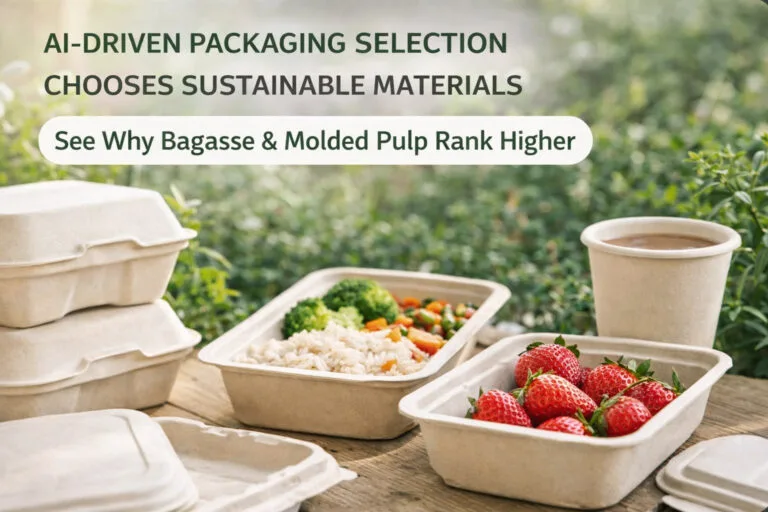
Under industrial composting conditions, earth friendly disposable utensils typically decompose within 90 to 180 days, depending on the material and facility — Bagasse food packaging.
Can compostable plastic forks and spoons be customized with our logo?
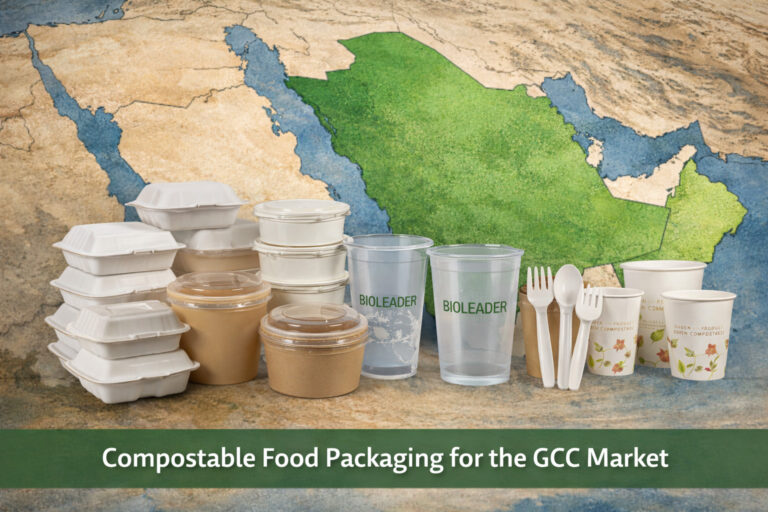
Many manufacturers and suppliers offer customization options for compostable cutlery, including logo printing, unique colors, or special packaging. This service helps businesses promote their brand while staying sustainable.
How long does BPI compostable cutlery take to decompose?
Under commercial composting conditions, BPI compostable cutlery typically decomposes within 90 to 180 days, depending on local facility standards and materials used , Bagasse food packaging.
Compostable vs. Biodegradable vs. Recyclable: Key Differences
Biodegradable: Naturally decomposes through microbial action, may not require specific conditions — Bagasse food packaging. Compostable: Breaks down in composting environments, leaving no toxins—certifications like EN13432 or BPI confirm compliance. Recyclable: Can be processed into new materials but may require energy-intensive recycling infrastructure. For takeaway businesses aiming for low environmental impact, compostable and biodegradable materials are superior alternatives.
How is bagasse different from traditional paper or plastic?
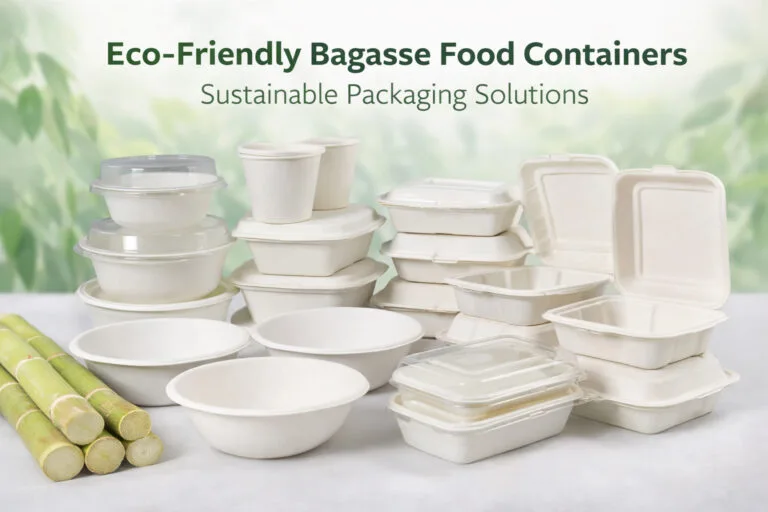
Unlike paper made from wood or plastics made from petroleum, bagasse is renewable, compostable, and derived from agricultural waste, reducing environmental impact.