240ml In A Cup Market Snapshot | Bioleader® Insights
Actionable coverage of 240ml in a cup: eco-friendly, biodegradable, compostable materials, performance data, and compliance under EN13432 & ASTM D6400. Includes BPI/TÜV references and Food-Contact Tested guidance for safe deployment. Buyer-focused: manufacturer insights, bulk/wholesale buying playbooks, OEM/ODM customization tips, full size range selection.
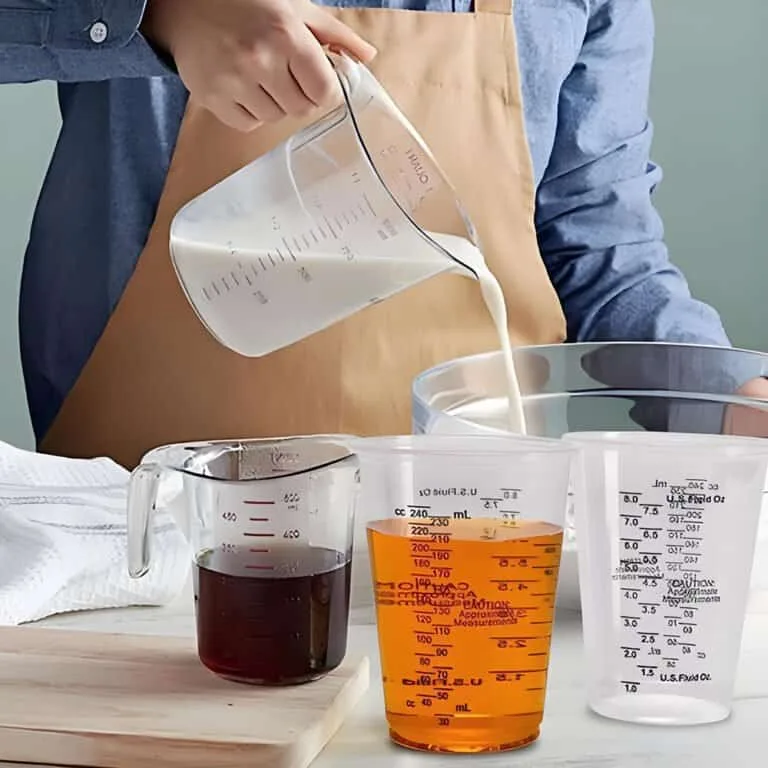
“Hey Alex, I was confused today while measuring my morning coffee. I had 8 oz of liquid, which is about 240 to 250 ml—but how many cups does that really equal?” “Great question, Jamie! Let’s break it down. In the U.S., 8 oz is considered 1 cup, but when you convert 240 or 250 ml, you’ll notice slight differences. Let’s dive into the details!”
240ml in a cup — Quick Summary
Items displayed (articles): 12
Last updated: 2025-03-23
Includes test data, compliance guides, buyer FAQs, and real-world use cases.
FAQ of Bioleader's Eco-friendly Disposable Tableware
Eco-Friendly, Compostable, and Biodegradable
Our molded pulp trays are fully compostable and biodegradable — 240ml in a cup. They naturally break down within a few months, supporting a circular economy and reducing landfill burden. This makes our sugarcane pulp trays an excellent choice for eco-conscious consumers and businesses looking to adopt sustainable practices.
2. Are takeaway containers with lids microwave-safe?
Yes, many takeaway containers—especially those made from sugarcane bagasse or microwave-safe plastics—are designed to withstand high temperatures. Always check the specific material to ensure safe reheating.
1. What are sugarcane bagasse molded pulp trays made from?
They are made from bagasse, the fibrous residue left after sugarcane stalks are crushed for juice. This agricultural waste is molded into strong, durable trays that are compostable, biodegradable, and plastic-free.
250 ml to Cups
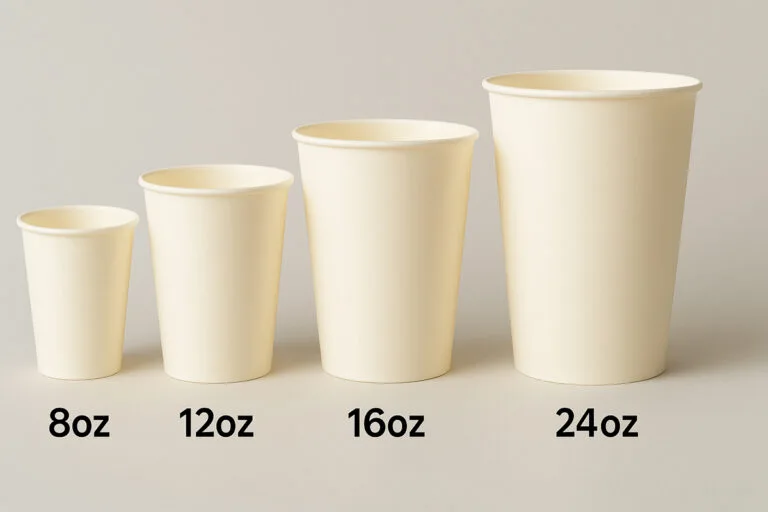
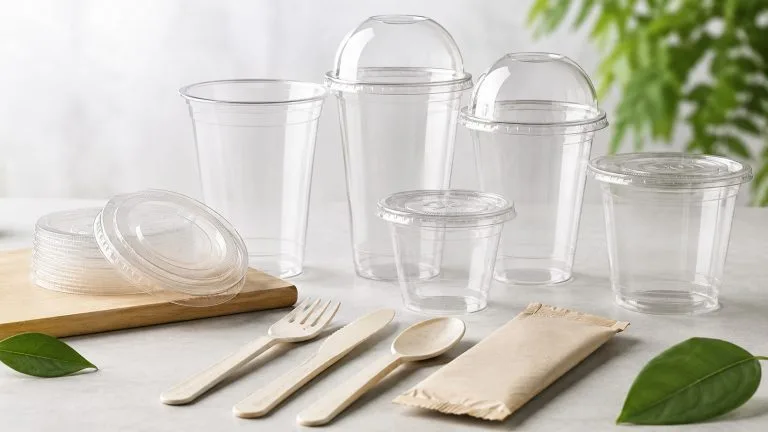
Slight Increase:The 250 ml measurement, though only a bit more than 240 ml, can be critical in recipes that demand precision. Industrial Implications:Manufacturers might label a product as “250 ml in a cup” to indicate the extra volume available—this is especially relevant when the product is used for high-quality beverage serving — 240ml in a cup. Exploring Different Types of 8oz/240-250ml Cups An important aspect of this topic is understanding the different materials and manufacturing processes of cups designed to hold 8 oz of liquid. The following sections outline the major categories: 8oz 240 250ml to cups , 240ml in a cup.
Importance in Everyday Applications
Cooking & Baking:Recipes often call for 8 oz in a cup; knowing that 240 ml is essentially the same measurement ensures accuracy. Beverage Industry:Whether you’re using 8 oz coffee cups or 8 oz hot cups, a clear understanding of conversions helps maintain consistency and quality. Product Packaging:Manufacturers of 8 ounce paper cups and 8 ounce plastic cups need precise measurements to meet industry standards. Conversion Details: 8 oz, 240 ml, and 250 ml in a Cup In this section, we dive deeper into how these measurements interact in various contexts: