










No Plastic Plates for a Plastic-Free Future | Bioleader®
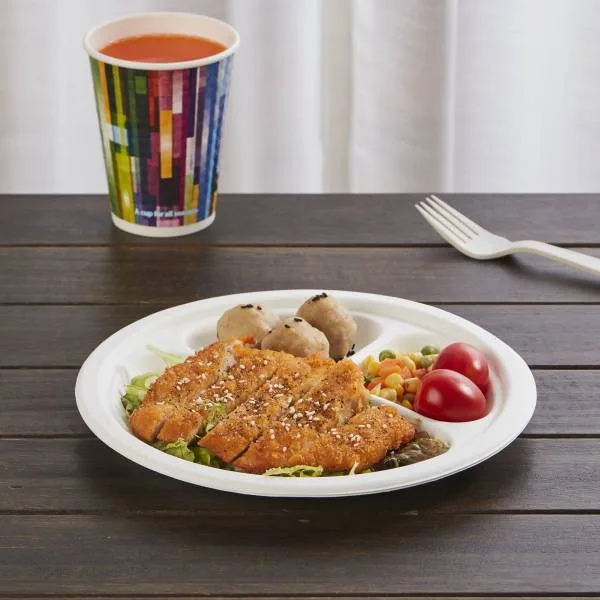
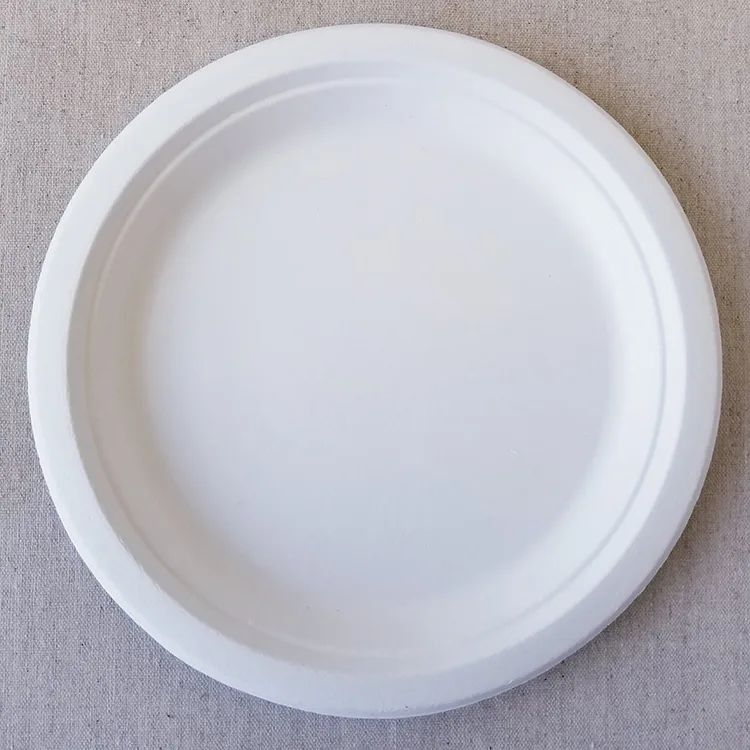
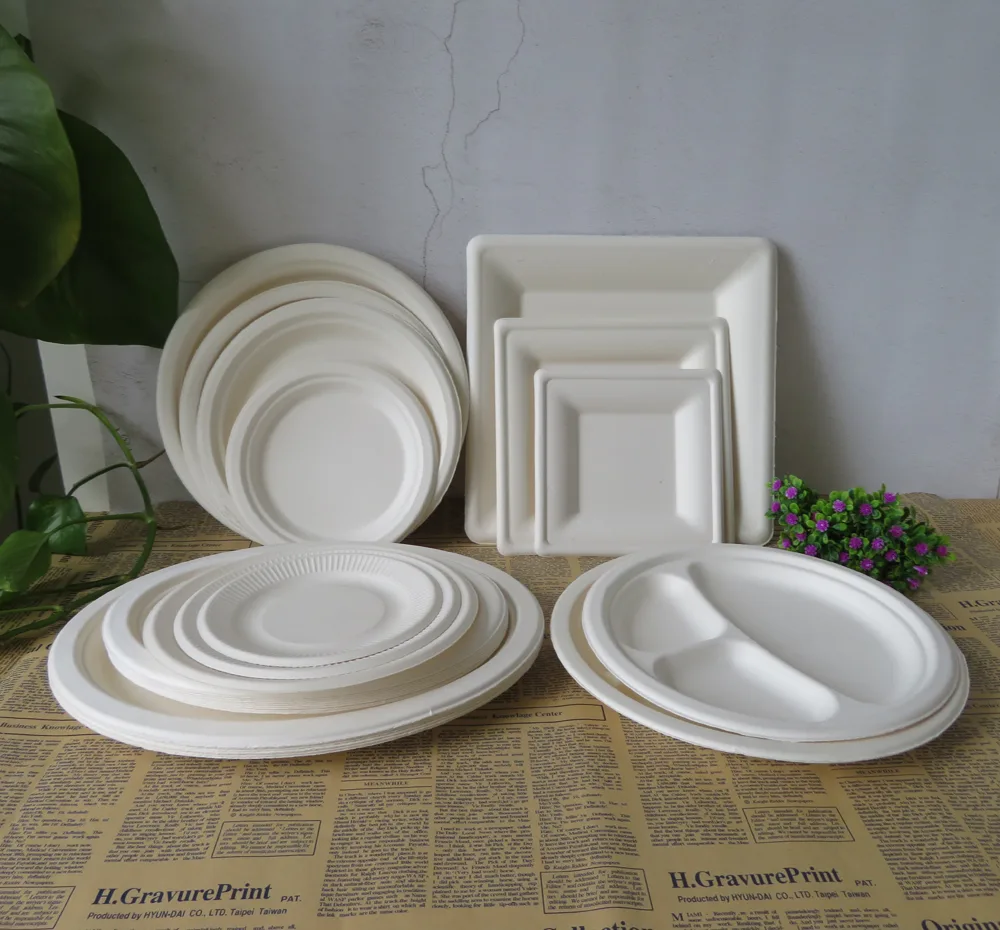
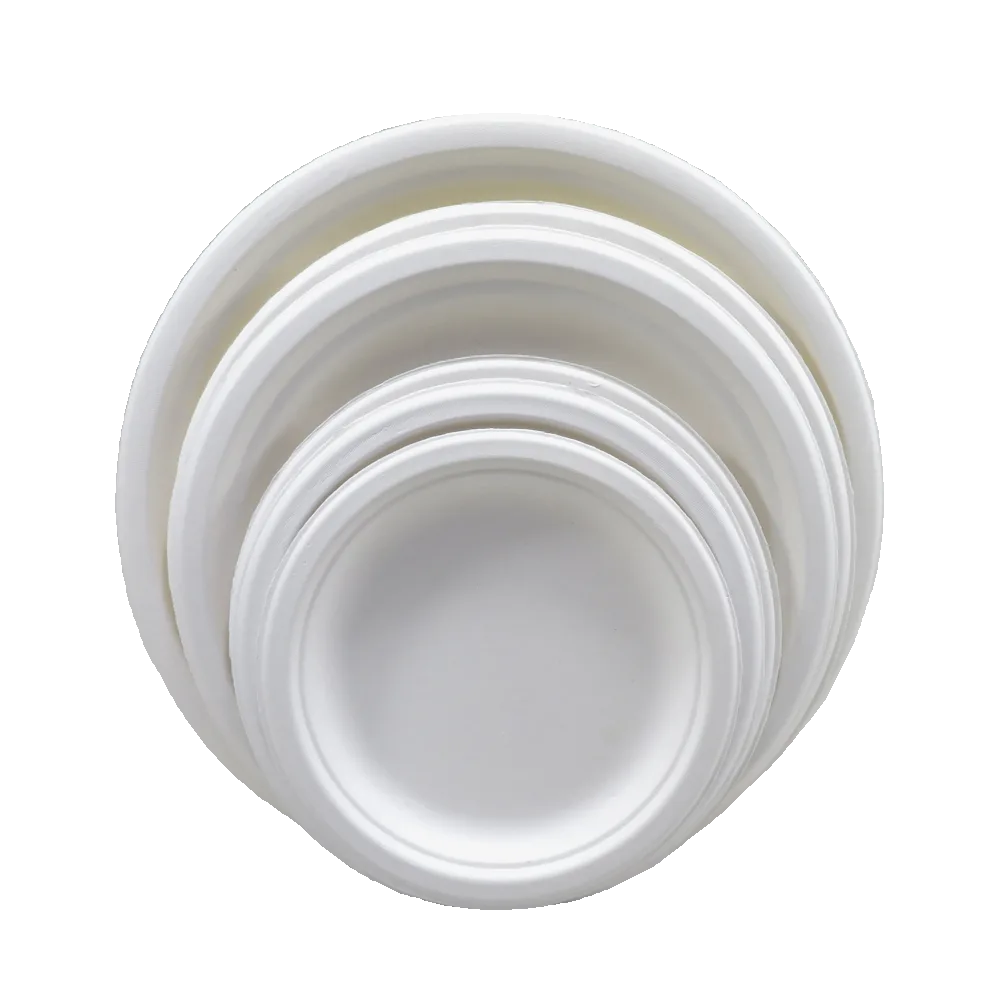
Bioleader® supplies no-plastic disposable plates made from molded sugarcane bagasse fiber for restaurants, catering, events, cafeterias, and foodservice distribution. Available in round, square, oval, and compartment formats, these fiber-based plates provide an alternative to conventional disposable plastic plates for businesses transitioning toward lower-plastic foodservice packaging.
Buyers can select plate formats according to portion size, food type, serving conditions, and market requirements, with bulk wholesale supply and supporting food-contact or compostability documentation available for applicable products.
Bioleader® Biodegradable Plates Products Range
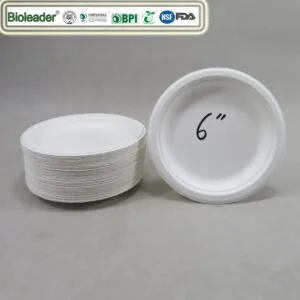
6" Round Plate

Square Plates 8 Inch
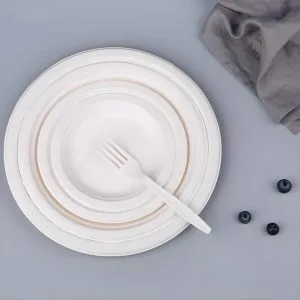
Sugarcane Bagasse Plate

Oval Dinner Plates & Dishes

Large Oval Christmas/Thanksgiving Paper Plates
Large Disposable Oval Paper Plate

10 Inch Square Plates: The Sustainable Choice for Your Events

Pulp White Oval Paper Plates

10" 3-C Plate

Environmentally Friendly Paper Party Plates

Eco friendly Paper Plates

7" Ribbed Plate
8" Square Plate

Disposable Large Paper Plate 10 Inch

Disposable Heavy Duty Divided Paper Plates

6.75" Round Plate

8.75" 2-C Round Plate

8" Ribbed Plate
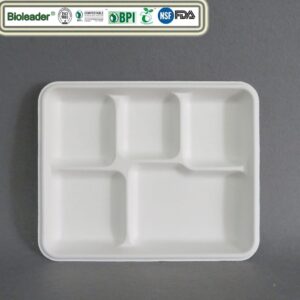
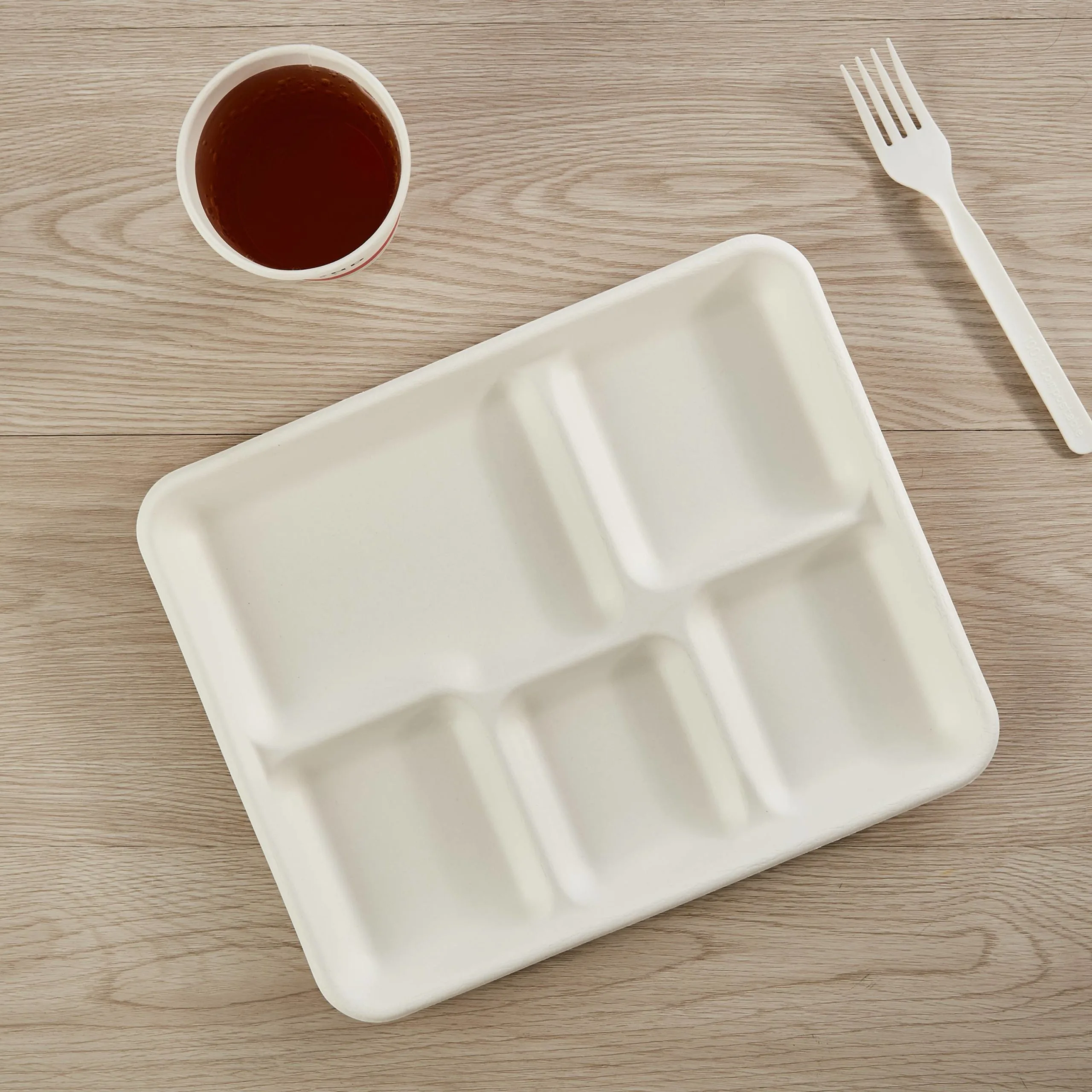
5-Compartment Tray

6" Ribbed Plate
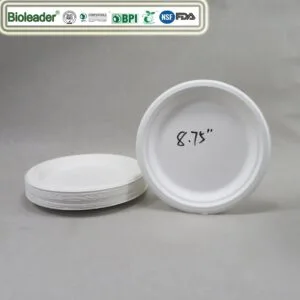
8.75" Round Plate

Custom Cheap Paper Plates

Compostable Dinner Party Paper Plates

10" x 8" Oval Plate
What Are No Plastic Plates?
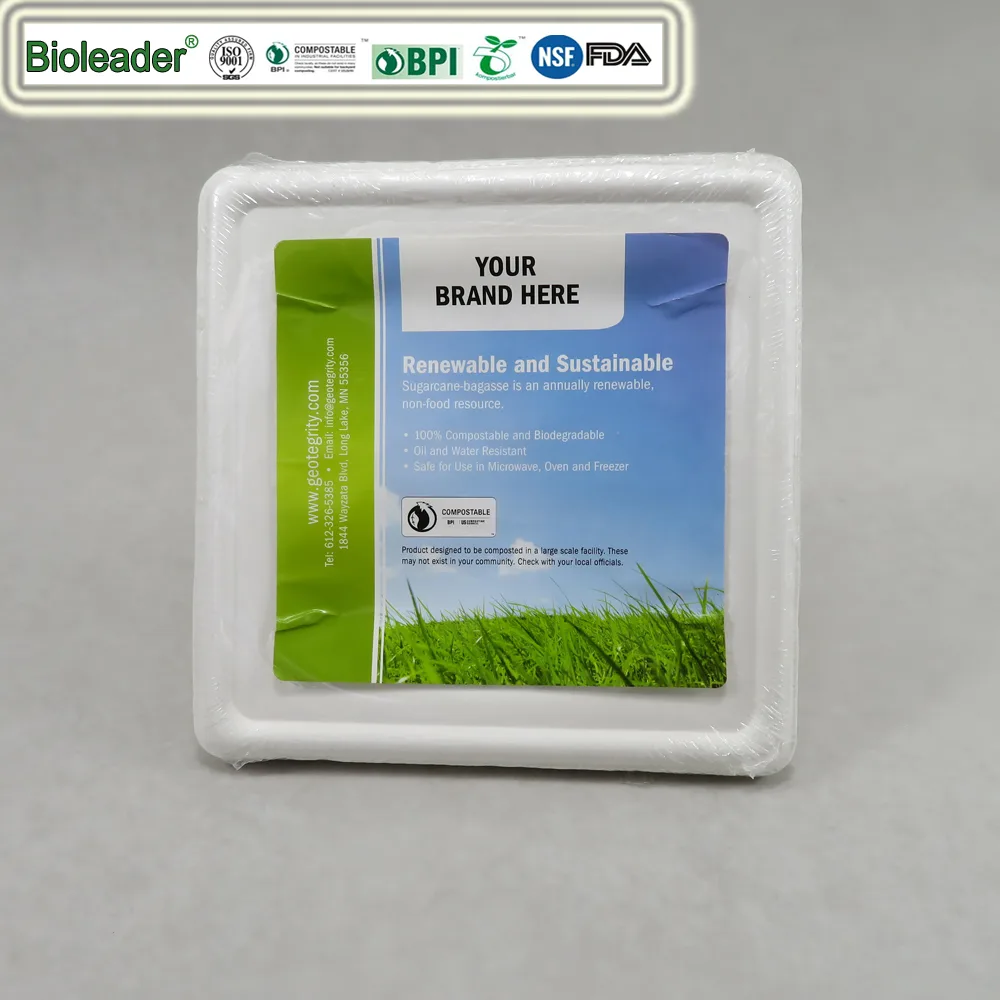
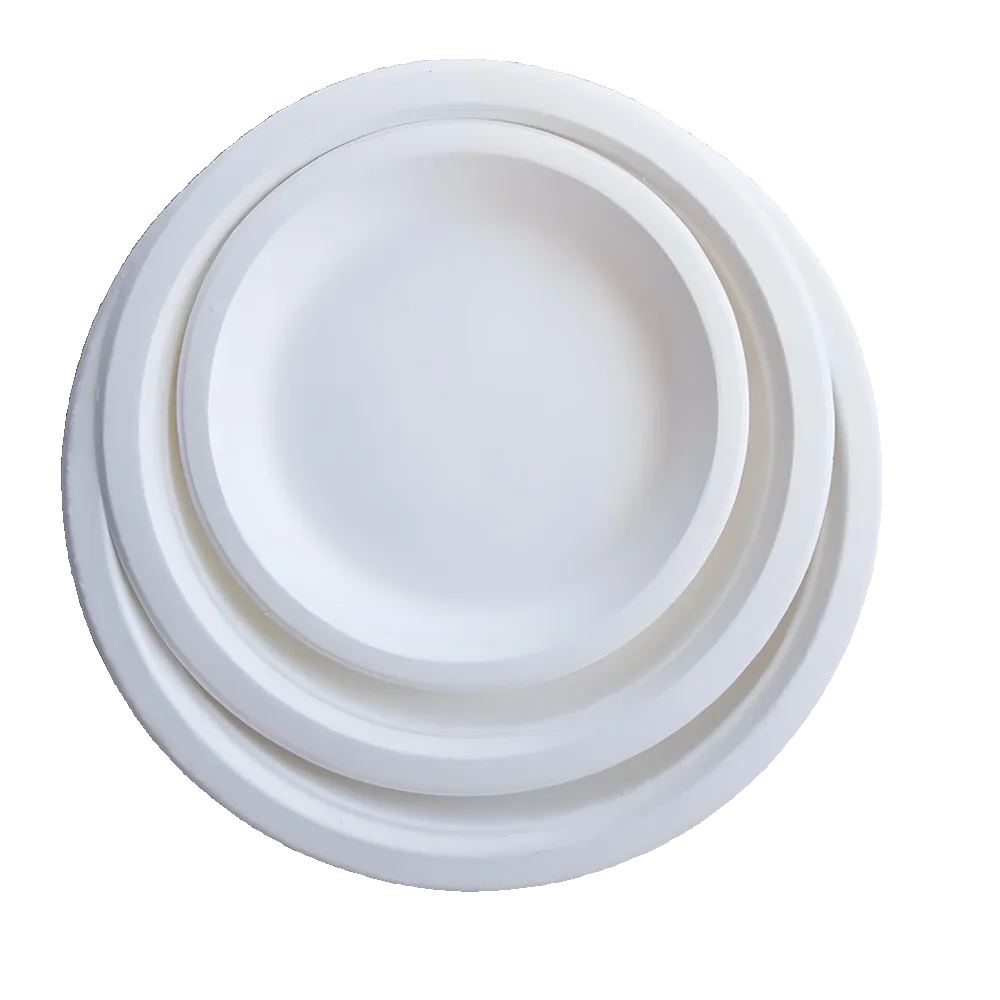
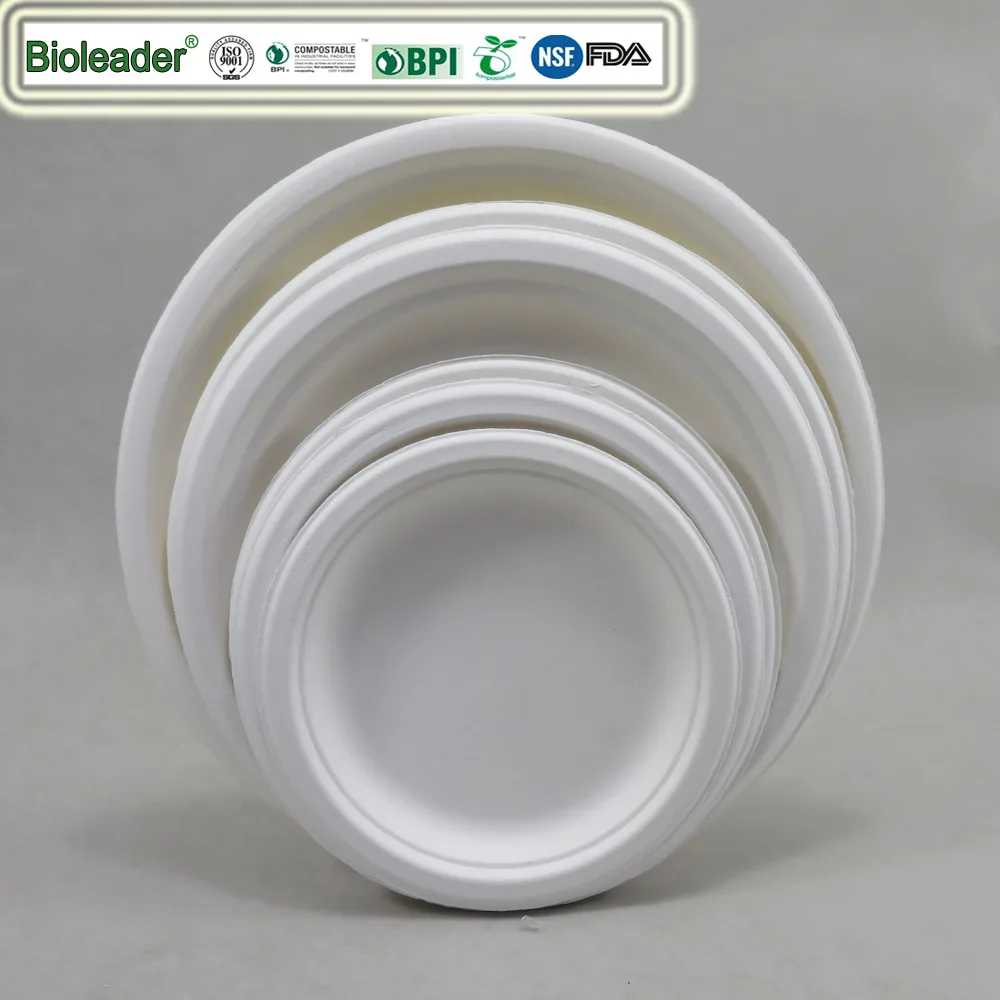
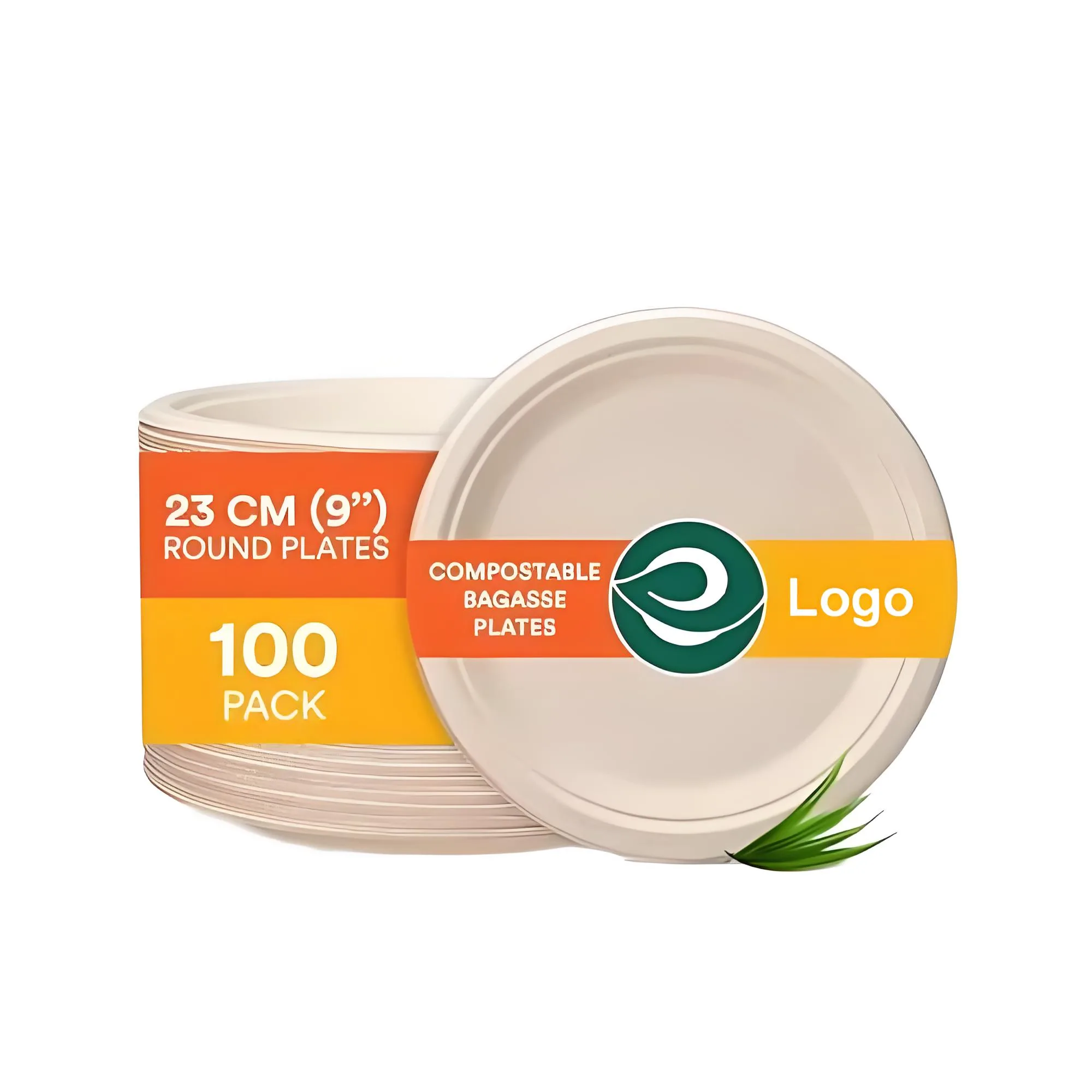
No plastic plates are an eco-friendly alternative to traditional plastic tableware. These plates are typically made from biodegradable and compostable materials, such as sugarcane bagasse, which help reduce plastic waste and minimize environmental impact. Unlike plastic plates that can take hundreds of years to degrade, no plastic plates break down naturally, leaving no harmful residues behind.
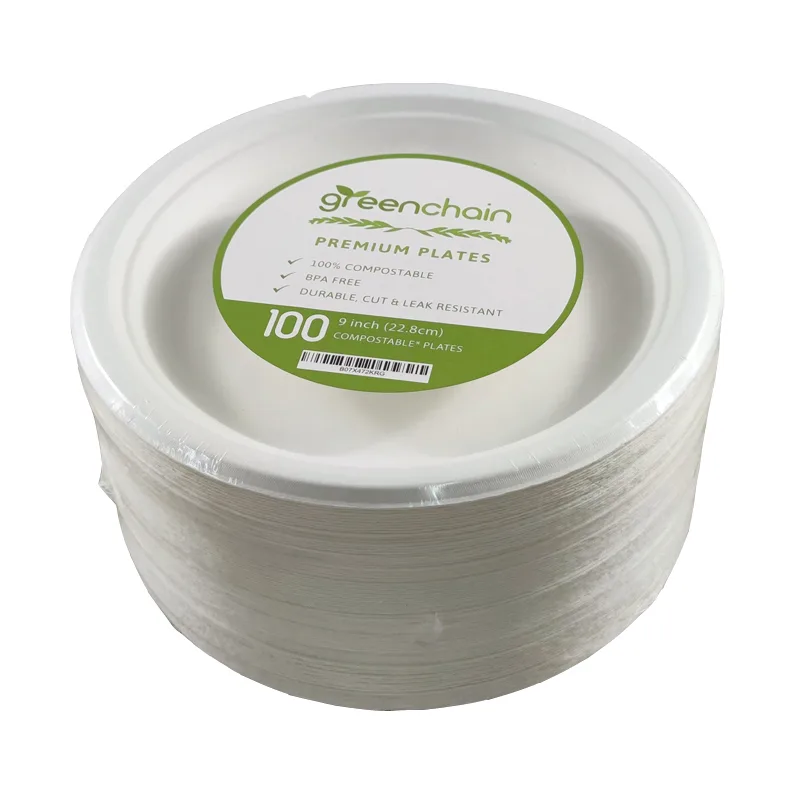
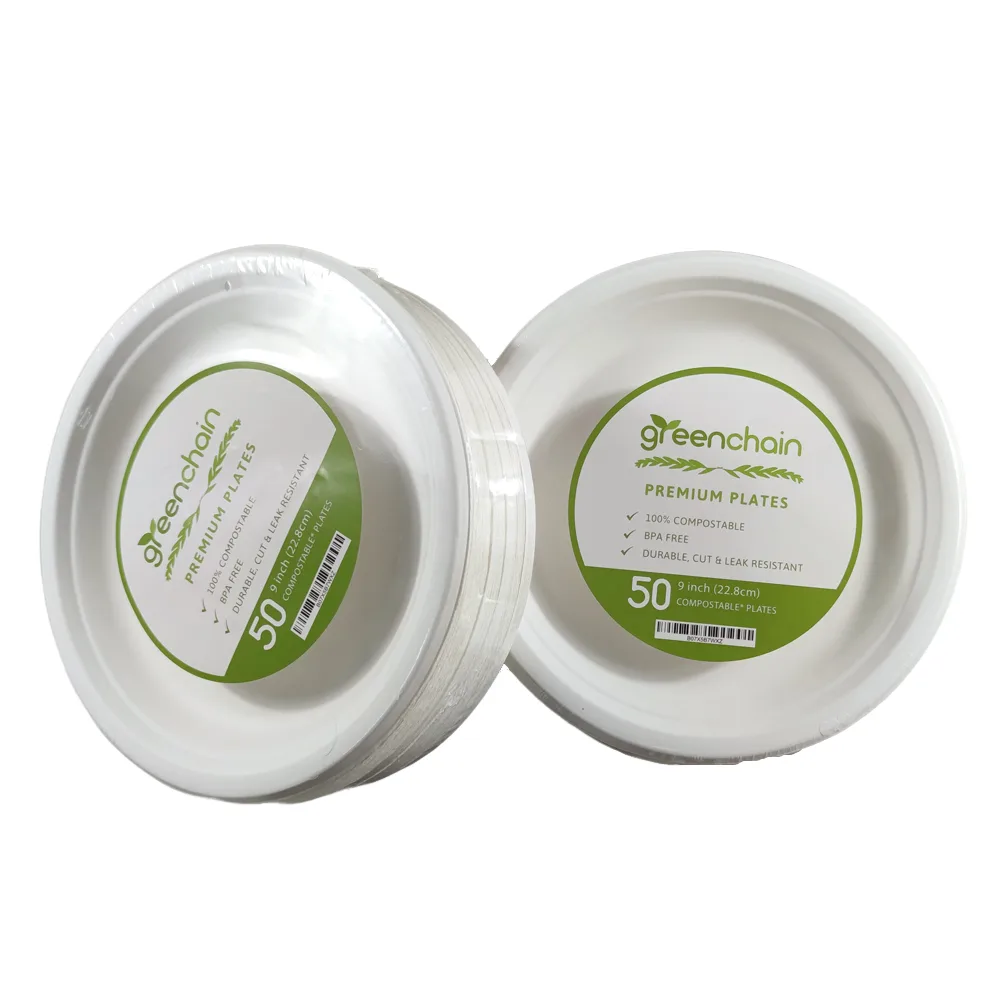
At Bioleader®, we offer no plastic plates that are designed to meet the growing demand for sustainable tableware options. These plates are food-safe, biodegradable, and compostable, making them the perfect solution for businesses looking to reduce their plastic footprint while adhering to global plastic bans and eco-conscious practices.





Key Features and Benefits of No Plastic Plates
- Compliant with Global Plastic Bans:
Our no plastic plates are designed to help businesses comply with international plastic bans. With increasing regulations worldwide, Bioleader® offers the perfect alternative for businesses that need to phase out plastic. - Made from Sugarcane Bagasse:
These plates are crafted from sugarcane bagasse, a renewable and sustainable material. Unlike plastic, which takes hundreds of years to degrade, bagasse plates decompose naturally, leaving no harmful residues behind. - Certified and Safe:
Bioleader®’s no plastic plates meet rigorous food safety standards, ensuring they are safe to use for foodservice. They are also certified biodegradable and compostable, making them an excellent option for businesses that are committed to sustainability. - Eco-Friendly and Sustainable:
By using no plastic plates, businesses can significantly reduce their plastic waste. These plates are designed to help you reduce your carbon footprint while maintaining a high standard of dining service. - Perfect for a Wide Range of Applications:
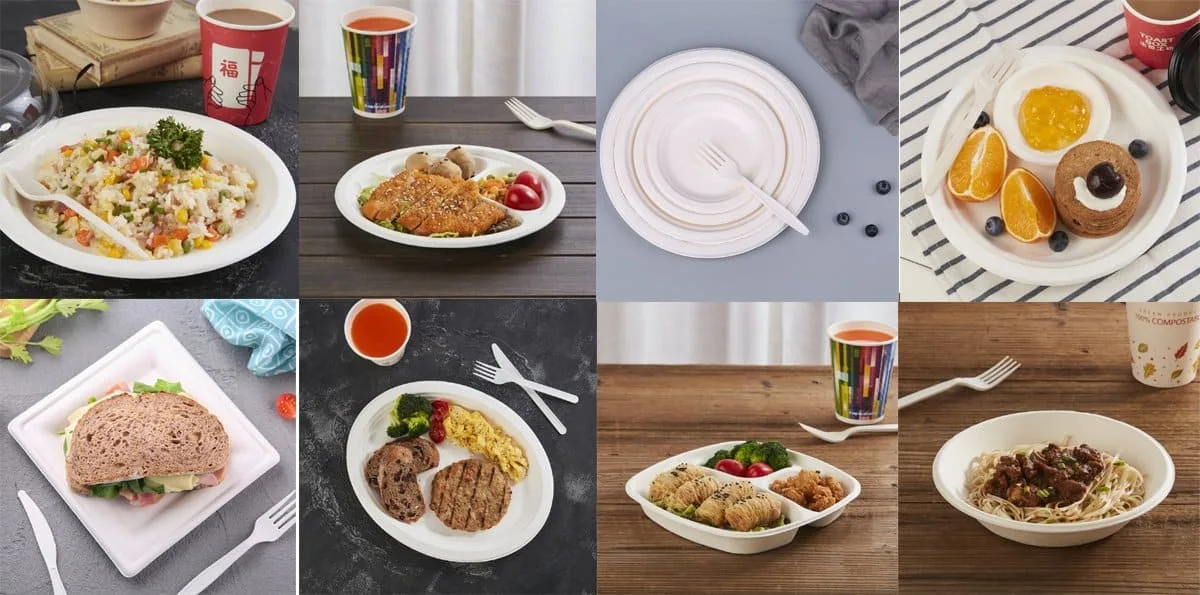
Whether for restaurants, catering services, or takeout businesses, Bioleader®’s no plastic plates are versatile and reliable. They are ideal for events, festivals, and businesses committed to going green.
Why Choose Bioleader® No-plastic Plates
Meet Global Regulations: As more countries introduce plastic bans, our plates comply with the increasing demand for eco-friendly solutions.
No Plastic, No Waste: By switching to Bioleader®’s no plastic plates, you can join the fight against plastic pollution and contribute to a cleaner planet.
Durable & Reliable: Despite being biodegradable, our plates are designed to hold up against hot and cold foods, ensuring that your customers enjoy their meals without worrying about plate durability.
♻️ Certified for Food-Safety, Compostability & Sustainability
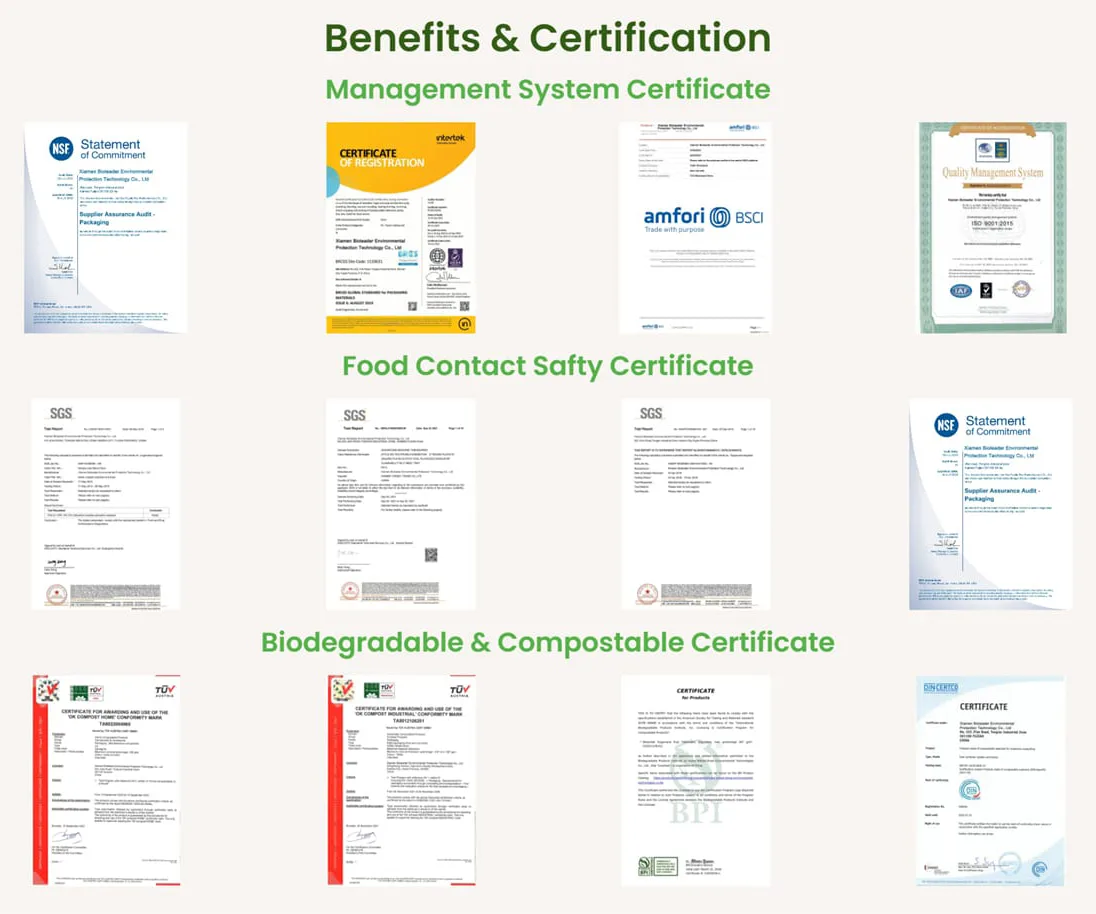
All Bioleader® bagasse pulp plates are certified by internationally recognized authorities:
✅ OK-Compost Home & Industrial (TÜV Austria)
✅ EN13432 & ASTM D6400 US & Europe compost standards
✅ BRC & NSF Manufactured in BRC and NSF certified facilities for hygiene and food-grade safety
✅ FDA and SGS approved food contact safety
✅ Produced in ISO-certified facilities focused on water and carbon reduction
Each bagasse plate does not contain any plastic, 100% made from renewable sugarcane fiber pulp, certified compostable & food safe.
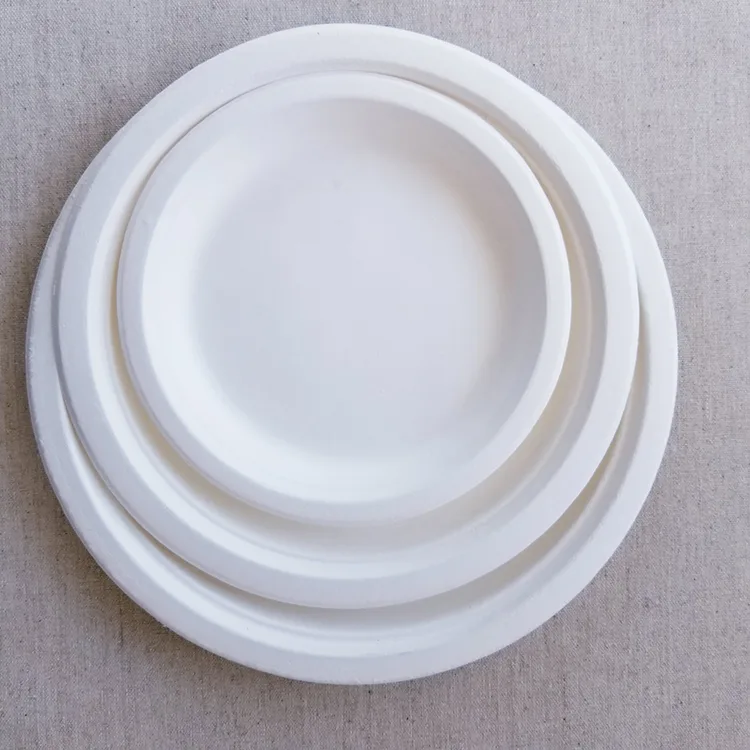
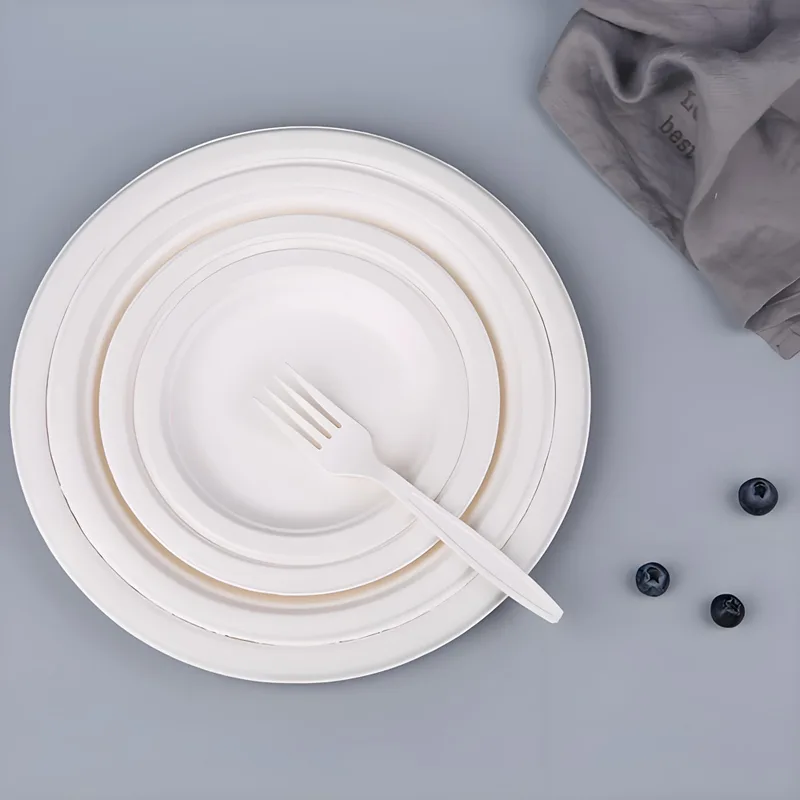
Sizes and Types of No-plastic Sugarcane Plates for Your Choice
Bioleader® supplies biodegradable bagasse plates for global wholesale. The table lists all SKUs, key parameters, and FOB Xiamen unit prices.
| Item Code | Description | Weight (g) | Product Size (mm) | PCS/PACK | PCS/CTNS | Carton Size (cm) | USD/PCS |
|---|---|---|---|---|---|---|---|
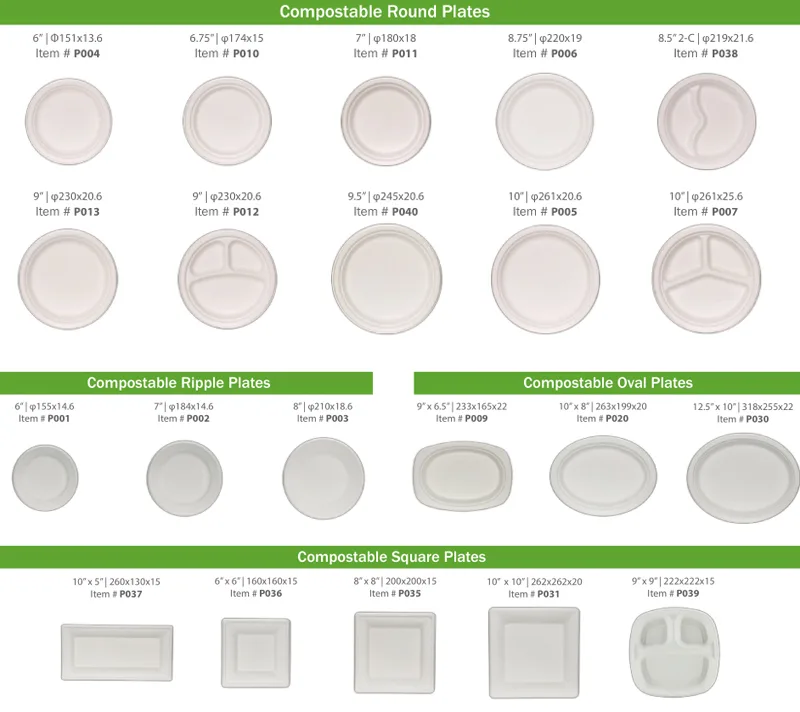
| P004 | 6″ Plate | 6 | φ151×13.6 | 50 | 1000 | 34×32×32.5 | 0.0171 |
| P010 | 6.75″ Plate | 8 | φ174×15 | 50 | 1000 | 37×37×37.5 | 0.0212 |
| P011 | 7″ Plate | 10 | φ180×18 | 50 | 1000 | 37×36×37.5 | 0.0256 |
| P006 | 8.75″ Plate | 14 | φ220×19 | 50 | 500 | 45×32×23.5 | 0.0358 |
| P013 | 9″ Plate | 15 | φ230×20.6 | 50 | 500 | 47×33×24.5 | 0.0384 |
| P012 | 9″ 3-Compartment Plate | 15 | φ230×20.6 | 50 | 500 | 48×36×25 | 0.0384 |
| P005 | 10″ Plate | 20 | φ261×20.6 | 50 | 500 | 53×36×27.5 | 0.0512 |
| P007 | 10″ 3-Compartment Plate | 20 | φ261×25.6 | 50 | 500 | 53×37×28 | 0.0512 |
| P036 | 6″ Square Plate | 10 | 160×160×15 | 50 | 1000 | 33.5×32.5×34 | 0.0256 |
| P035 | 8″ Square Plate | 16 | 200×200×15 | 50 | 500 | 42.5×30.5×22 | 0.0410 |
| P031 | 10″ Square Plate | 28 | 262×262×19 | 50 | 500 | 54.5×32×28 | 0.0717 |
| P038 | 8.75″ 2-Compt Plate | 14 | φ219×21.6 | 50 | 500 | 45×35.5×23.5 | 0.0358 |
| P020 | 10″ × 8″ Oval Plate | 17 | 263×199×20 | 50 | 500 | 54×36×21.5 | 0.0435 |
| P030 | 12.5″ × 10″ Oval Plate | 30 | 318×255×22 | 50 | 500 | 65×41.5×27 | 0.0768 |
Frequently Asked Questions (FAQ)
What are no-plastic disposable plates made from?
The plates in this collection are made primarily from molded sugarcane bagasse fiber, a plant-based material recovered from sugarcane processing. The pulp is formed into three-dimensional plate shapes such as round, square, oval, and compartment formats for disposable foodservice use.
How are bagasse plates different from disposable plastic plates?
Bagasse plates use a molded fiber structure instead of a conventional plastic plate body. They are selected by foodservice businesses seeking fiber-based alternatives to disposable plastic tableware. Performance, disposal claims, and compliance requirements should still be confirmed for the specific product and destination market.
Does no-plastic automatically mean compostable?
Not automatically. “No plastic” describes the intended material structure, while compostability is a separate claim that should be supported by applicable standards, certifications, or test documentation. Buyers should verify the specific product documentation required for their market and disposal system.
Can sugarcane bagasse plates be used for hot, oily, or saucy foods?
Many bagasse plates are designed for hot prepared foods and practical resistance to oil and moisture, but performance varies by plate design and specification. Food temperature, oil or sauce content, portion weight, plate depth, barrier system, and holding time should be considered when selecting a model.
Where are no-plastic bagasse plates commonly used?
Common applications include restaurants, catering, cafeterias, festivals, corporate events, schools, food courts, buffets, and other foodservice operations that require disposable plates. Round, square, oval, and compartment formats can be selected according to menu and portion requirements.
What should buyers confirm before ordering no-plastic plates in bulk?
Buyers should confirm the required plate size and shape, compartment layout if needed, intended food and serving conditions, quantity per item, packaging requirements, destination market and delivery location, purchasing timeline, and any required food-contact, compostability, PFAS, or other compliance documentation.