Introduction: Policy Shift, Not a Simple Ban
Russia’s environmental regulatory landscape is evolving. While there is no single national law that outright bans all single‑use plastic tableware as of 2026, the country is advancing waste management reform and extended producer responsibility (EPR) rules that will affect packaging, including sustainable alternatives to conventional plastics. This transition has implications for exporters of disposable cups, cutlery, containers, plates, and related products.

Legal Foundation: Federal Law No. 89‑FZ on Waste and EPR
Federal Law No. 89‑FZ “On Production and Consumption Waste” is the central legal framework governing waste management in Russia, defining waste handling, recycling, and producer obligations. It has been periodically amended to modernize waste policy and strengthen recycling incentives.
What 89‑FZ Covers
• Establishes principles for waste classification and management.
• Delegates roles to federal and regional authorities for enforcement.
• Forms the basis for producer/importer responsibility for packaging waste.
While 89‑FZ itself does not list prohibited products, it provides the legal basis for related regulations that set recycling obligations and eco‑fees.
Extended Producer Responsibility (EPR) Reform: Key Compliance Trend
Russia’s EPR system for packaging and waste has been under reform to strengthen producer and importer obligations, with recent legislative changes formalized in amendments to 89‑FZ.
EPR Reform Timeline
• 2015: EPR system introduced.
• Aug 4 2023: Amendments to 89‑FZ signed, updating EPR implementation rules.
• 2024 onward: New environmental levy and concepts of waste utilization introduced.
What EPR Means for Exporters
Under EPR, manufacturers and importers of goods and packaging must either:
Ensure the recycling of packaging waste they place on the Russian market, or
Pay an environmental fee if they cannot meet recycling requirements.
The environmental fee system is designed so that products difficult to recycle (e.g., non‑recyclable plastics) may result in higher levies—this has direct commercial implications for imported packaging.
Policy Signals on Single‑Use Plastics and Packaging Waste
While Russia does not yet have a single law that nationally bans all single‑use plastic tableware, official statements and draft proposals have repeatedly signaled regulatory direction toward reducing reliance on difficult‑to‑recycle plastics.
Government Statements on Reduction of Single‑Use Plastics
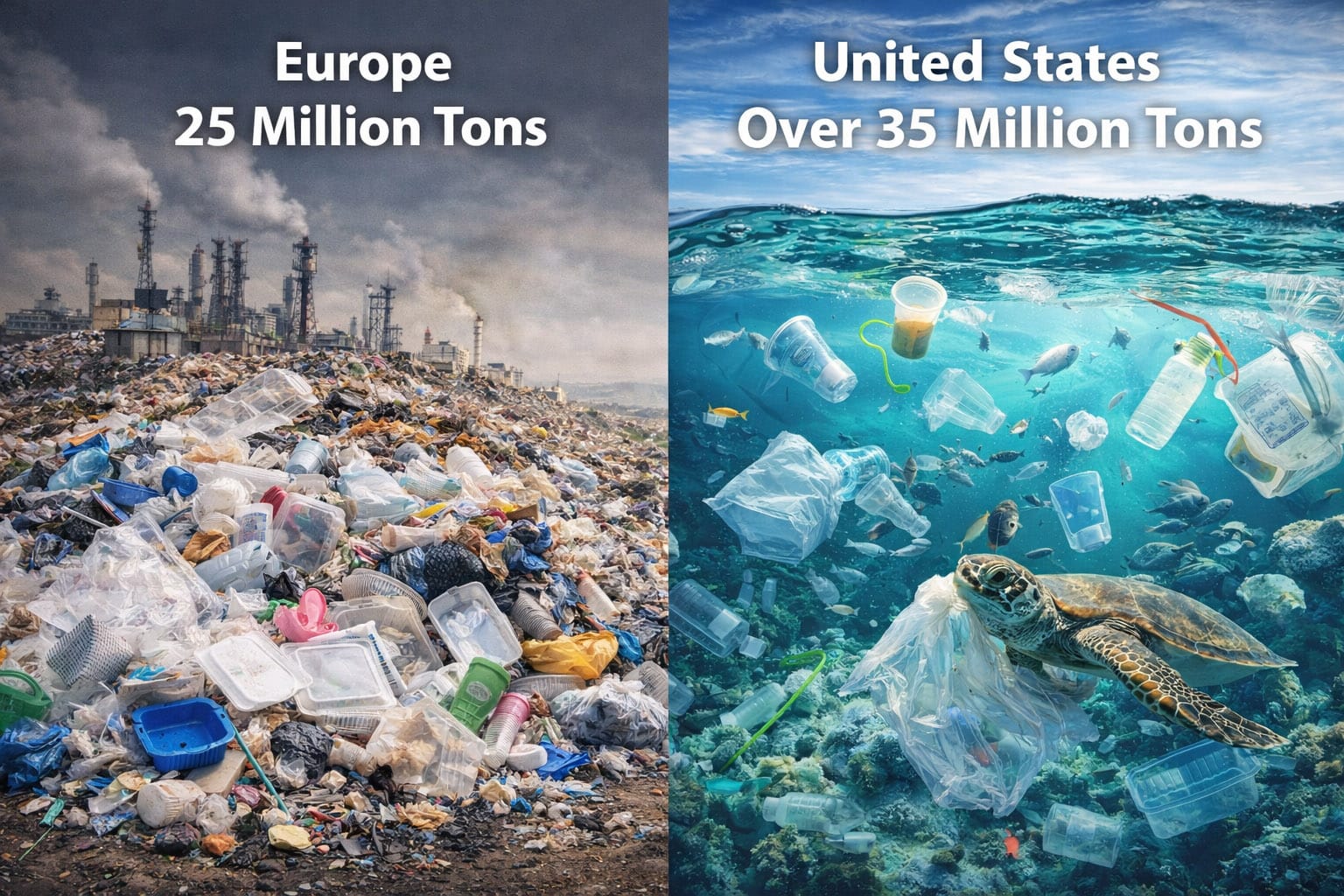
• Russian Deputy Prime Minister stated that from 2025 Russia will gradually reject single‑use plastic packaging and products, seeking to replace them with more eco‑friendly, degradable alternatives.
• Media reports cite that the Ministry of Industry and Trade proposed banning import of 28 types of plastic products, including disposable tableware, to be replaced with biodegradable, glass, paper, or wood alternatives.
Proposed and Draft Direction
• Historical reports note a proposed ban on disposable plastics such as straws, cutlery, bottles, and containers, indicating direction of future legislation (though not yet fully codified nationwide).
Summary: The regulatory trend in Russia is toward increased restrictions on single‑use plastic products and stronger recycling obligations. Exporters should interpret this as a policy trajectory toward gradual phase‑down of non‑recyclable plastics and preference for recyclable/compostable alternatives.
Why Exporters Should Focus on Compliance, Not Only Product Features
EPR and Market Expectations
Under the evolving EPR system, material recyclability and documentation compliance are becoming commercial screening factors. Importers are increasingly evaluating:
• Whether packaging and tableware can be easily recycled.
• The cost of environmental fees connected to waste management.
• Whether the product aligns with buyer sustainability goals and compliance needs.
Exporters who provide clear material data, certifications, and compliance narratives have a competitive edge.
Misconceptions to Avoid
“Russia has already fully banned all single‑use plastics.”
This is not yet accurate. What exists is:
• EPR reforms imposing producer/importer recycling accountability.
• Government statements advocating phased reduction of single‑use plastics starting in 2025.
• Policy proposals and discussions on restricting certain types of plastics.
Exporters must avoid presenting a blanket national prohibition as law.
Market Implications for Disposable Tableware Categories

Cups and Containers
Plastic cups and rigid food containers may face increased environmental levies due to difficulty in recycling mixed materials. Exporters should provide detailed material specs (e.g., materials used, recyclability) to support importer compliance planning.
Cutlery, Plates, Trays
Historically noted government proposals to phase out disposable cutlery and trays indicate market expectation for compostable or recyclable replacements over conventional plastics.
Eco‑Materials Preference
Products made from more easily recyclable or compostable materials (e.g., paper‑based, molded fiber, certified compostables) align better with Russia’s waste policy direction and importer sustainability objectives.
In particular, cornstarch-based tableware has emerged as a strategic middle ground in the Russian market. It offers the heat resistance and rigidity required by local cuisine while aligning with the lower environmental levy tiers under the new EPR system.
Strategic Recommendations for Exporters
To succeed in the evolving Russian market under stronger EPR conditions and potential future single‑use plastics restrictions, exporters should:
Provide Compliance Documentation
— Material composition details, recyclability reports, international certifications.Advocate Recyclability and Lower Environmental Fee Exposure
— Highlight how your product reduces environmental levy risk under EPR.Monitor Policy Updates and Local Regulations
— Russian policy continues evolving; periodic legal developments will impact importer obligations.Offer Material Alternatives
— Paper, molded fiber, wood, or compostable alternatives can fit emerging compliance preferences.
Conclusion
Russia’s policy direction in 2026 reflects a progressive tightening of waste management and packaging responsibility, rather than a single sudden nationwide ban on all single‑use tableware. The core legal foundation is Federal Law No. 89‑FZ, which empowers extended producer responsibility reforms. Recent amendments increase producer/importer obligations and environmental levy mechanisms.
Official government signals further suggest a shift away from non‑recyclable single‑use plastics toward recyclable or degradable alternatives starting in 2025.
For exporters, this means preparing compliance documentation, emphasizing recyclable or compostable materials, and demonstrating regulatory awareness in commercial communications. Aligning products with Russia’s EPR‑oriented direction can help build competitive differentiation and reduce future market risk.
FAQ
1. Is Russia banning all single-use plastics in 2026?
No, Russia is not implementing a full ban on all single-use plastics in 2026. Instead, the government is tightening regulations, implementing extended producer responsibility (EPR) laws that require producers and importers to manage packaging waste. The country is gradually phasing out non-recyclable plastics, particularly in eco-sensitive areas like Lake Baikal and major cities like Moscow and St. Petersburg.
2. Why is 2027 an important milestone for exporters to Russia?
2027 marks the year when Russia will require 100% recycling of packaging materials. Exporters must ensure that their packaging meets recycling targets or face significant environmental fees. This requirement will significantly impact packaging choices, especially for difficult-to-recycle products like plastics.
3. What is Extended Producer Responsibility (EPR)?
EPR is a policy that shifts the responsibility for recycling waste from consumers to manufacturers and importers. In Russia, this means that businesses importing products must ensure their packaging is recyclable or pay an environmental fee. EPR is a crucial part of Russia’s plan to reduce plastic waste and improve recycling rates.
4. What types of products are affected by Russia’s plastic restrictions?
Russia is focusing on 28 types of single-use plastic products, including plastic cutlery, straws, cups, and certain plastic packaging types. These products are being phased out in favor of more sustainable alternatives, such as biodegradable and recyclable materials.
5. How can exporters prepare for Russia’s evolving environmental regulations?
Exporters should focus on using recyclable or biodegradable materials, such as cornstarch-based packaging, and provide clear documentation, including recycling certifications (e.g., EN13432). Understanding Russia’s EPR requirements and ensuring compliance with recycling targets will be essential for staying competitive in the Russian market.
References
“Federal Law No. 89-FZ: On Production and Consumption Waste.” CIS Legislation.
“Extended Producer Responsibility in Russia.” PGP Law.
“Russia’s 28 Single-Use Plastic Ban Discussion.” TASS News.
“Ecological Restrictions in Baikal Area.” En.iz.ru.
“EPR Packaging Reforms in Russia and Their Impact on Exporters.” B1.ru.
“Government’s Proposed Plastic Ban Timeline in Russia.” Zhaosuliao.com.
Copyright Notice:
© 2026 Bioleader®. If you wish to reproduce or reference this content, you must provide the original link and credit the source. Any unauthorized copying will be considered an infringement.