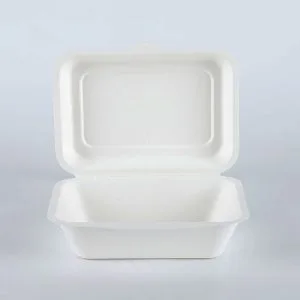
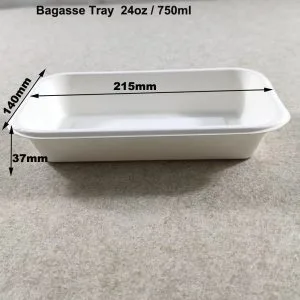
Biodegradable Meat Tray: Overview Of Common Uses & Formats | Bioleader®

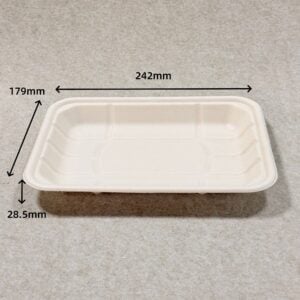
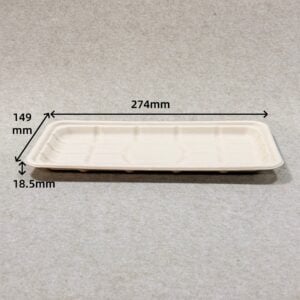
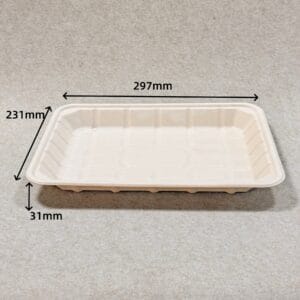
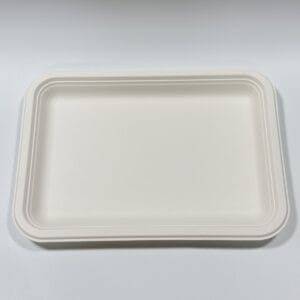
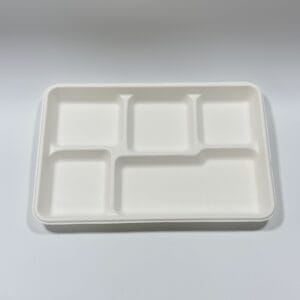
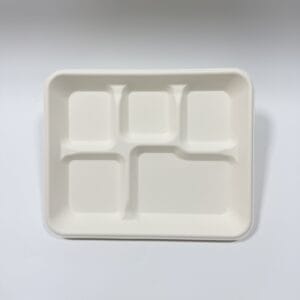
What is Biodegradable Meat Tray? Biodegradable Meat Tray is a sugarcane bagasse–based foodservice packaging product designed for modern takeaway and to-go applications. Typical performance includes a practical temperature range of −20°C to 120°C, compostability through EN13432 / ASTM D6400 (industrial & home composting), and certification pathways such as EN13432, ASTM D6400, BPI.
eco-friendly, biodegradable, compostable Sugarcane Bagasse trays with tested heat/oil performance (−20°C to 120°C) and food-contact safety (FDA/LFGB), with compliant options under EN13432 / ASTM D6400 | home & industrial composting. BPI/TÜV certified options for export and retail readiness. Manufacturer support, bulk & wholesale, OEM/ODM customization, full size range, with MOQ tiers and lead times aligned to project scale.
Biodegradable Meat tray — Quick Summary
  • Items displayed (SKUs): 12
  • Last updated: 2026-03-27
  • Includes specs, materials, certifications (BPI/TÜV), MOQ tiers, and lead times.

Recommended: Top Sale Biodegradable Meat Tray Guides 2026

Bioleader® Factory & Manufacturing Show

Xiamen Bioleader Environmental Protection Technology Co., Ltd is a professional manufacturer of disposable eco-friendly biodegradable tableware and takeaway food packaging!

Our main products are:
① Sugarcane Bagasse Tableware: bagasse food containers,  bagasse clamshell boxes, bagasse bowls, bagasse plates, trays, cups, cup lids;
② Cornstarch Tableware: cornstarch clamshell boxes and cornstarch food containers, cornstarch plates, cornstarch cups and cornstarch cutlery;
③ Food Paper Packaging: paper cups, paper soup bowls, paper salad bowls, and food paper boxes.
④ Biodegradable Compostable Cutlery spoon, fork, knife, spork, custom-pack & individually wrapped cutlery sets.

We supply a one-stop eco-friendly disposable food packaging solution service. 

Bioleader Certificates

Certified for Global Compliance, Proven for Quality

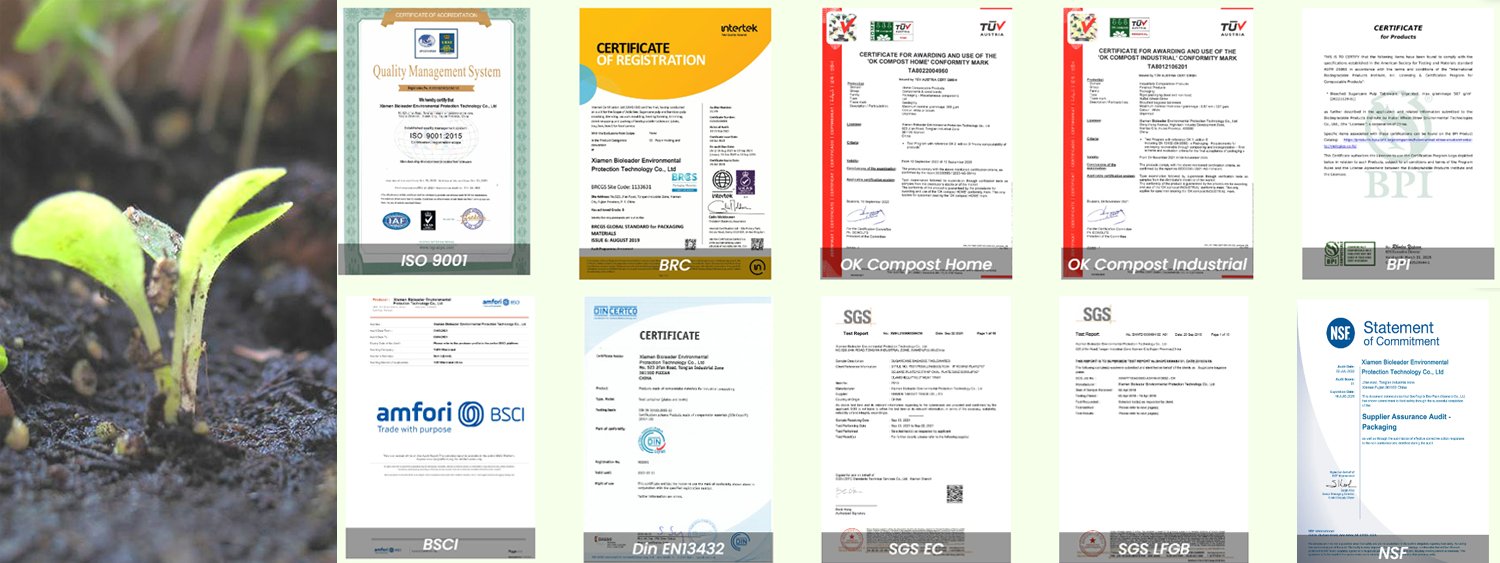
We lead with certification and validate every SKU with third-party reports—covering EN13432/ASTM D6400 (compostability), BPI/TÜV, and LFGB/FDA food-contact. ISO-driven process control and lot-level traceability ensure consistent performance and cross-border compliance.

  • SKU-specific certificate pack (report ID, validity, model mapping)

  • Lot traceability with retained samples and full records

  • IQC / IPQC / OQC multi-gate quality checks

  • Key metrics: heat/oil resistance, leakproof tests, stacking load, short-cycle microwave

  • Coverage: EN13432, ASTM D6400, BPI/OK compost, LFGB, FDA 21 CFR, EU 1935/2004 (as applicable)

  • On request: audit files & latest certificates within 48 hours.

FAQ of Bioleader's Biodegradable & Compostable Tableware

Export produce packaging projects

For distributors and importers, this tray supports plastic-reduction programs and sustainable produce packaging strategies across different international markets. Fresh Produce Tray Compared with Plastic and Foam Comparison Item Molded Fiber Fresh Produce Tray Plastic Tray Foam Tray Raw Material Sugarcane fiber, renewable pulp Petroleum-based plastic Petroleum-based foam Environmental Positioning Compostable, plastic-free direction Conventional plastic packaging Weak sustainability image Appearance Natural, matte, premium Glossy, clear or colored Basic and low-cost look Structural Performance Good for fruit, vegetables, and light fresh foods Good depending on resin and design Lightweight but less premium Brand Value Strong eco-friendly image Standard retail packaging perception Often outdated in modern retail End-of-Life Story Better aligned with compostable messaging Recycling or disposal dependent Mostly landfill-oriented Plastic-free Value Yes No No Cost Level Mid-range Low to mid-range Low Main Advantage Sustainable shelf image and natural presentation Familiarity and transparency options Low cost and light weight Main Limitation Not transparent and not designed for heavy liquid foods Plastic reduction pressure Poor environmental reputation Buying Guide When selecting a molded fiber fresh produce tray, buyers should consider more than just size and price. The right tray should match the product category, display needs, packing workflow, and sustainability goals of the retail or distribution program. Important factors include tray dimensions, depth, rigidity, stacking efficiency, carton loading, and compatibility with film wrapping, labeling, or retail-ready shelf systems.

Sustainable produce export projects

For distributors and importers, this tray supports plastic-reduction programs and eco-packaging strategies across different international markets — Biodegradable Meat tray. Fruit and Vegetable Tray Compared with Plastic and Foam Comparison Item Fiber Pulp Molding Fruit & Vegetable Tray Plastic Tray Foam Tray Raw Material Sugarcane fiber, renewable pulp Petroleum-based plastic Petroleum-based foam Environmental Positioning Plastic-free, eco-packaging direction Conventional plastic packaging Weak sustainability image Appearance Natural, matte, premium Glossy, clear or colored Basic and low-cost look Structural Performance Good for fruit, vegetables, and light fresh foods Good depending on resin and design Lightweight but less premium Brand Value Strong eco-friendly image Standard retail packaging perception Often outdated in eco-focused markets End-of-Life Story Better aligned with eco and compostable packaging messaging Recycling or disposal dependent Mostly landfill-oriented Plastic-free Value Yes No No Cost Level Mid-range Low to mid-range Low Main Advantage Sustainable shelf image and natural presentation Familiarity and transparency options Low cost and light weight Main Limitation Not transparent and not intended for heavy liquid foods Plastic reduction pressure Poor environmental reputation Buying Guide When selecting a fiber pulp molding fruit and vegetable tray, buyers should look beyond size and price. The right tray should match product type, retail display needs, packing workflow, and the sustainability direction of the overall packaging program. Key buying points include tray dimensions, depth, rigidity, stacking efficiency, carton loading, and compatibility with film wrapping, labels, or retail-ready shelf systems , Biodegradable Meat tray.

Chilled ready-pack applications

It can also be used for selected chilled produce and light fresh food applications where fiber-based display trays are preferred — Biodegradable Meat tray.

Vegetable retail programs

The tray is ideal for mushrooms, tomatoes, cucumbers, peppers, and other fresh vegetables displayed in grocery and produce channels.

Organic stores and farm markets

The tray’s fiber-based look fits well with local produce, organic vegetables, and environmentally conscious retail branding.

🚀Ready to Go Green and Choose ?

Join the global movement toward zero-waste packaging.


Bioleader® offers:

  • 📦 Bulk order support & fast delivery

  • ✍️ Custom branding and OEM solutions

  • 🌍 Worldwide eco-packaging compliance

Get the Catalogue Products List  & Contact Us Now! 👉

Contact us Below

Click or drag files to this area to upload.You can upload up to 5 files.
The more details you share, the faster and more accurate our quotation will be.