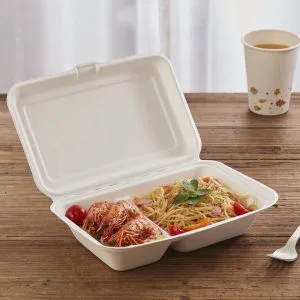
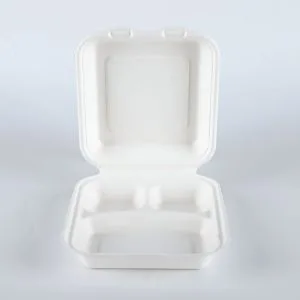
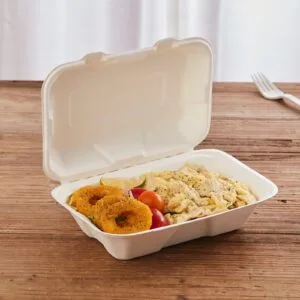
Highlights from featured products under this tag:
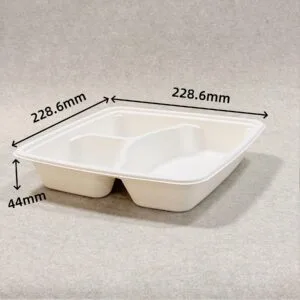
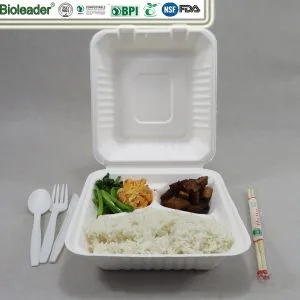
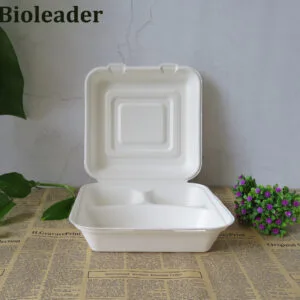
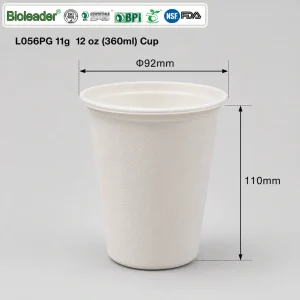


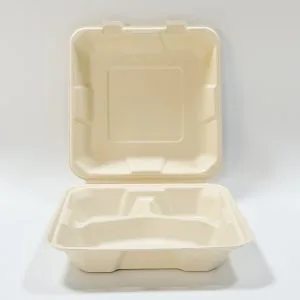
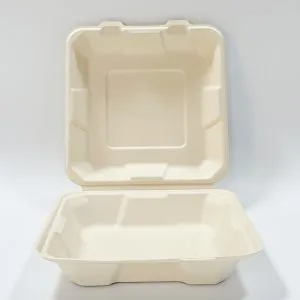
Xiamen Bioleader Environmental Protection Technology Co., Ltd is a professional manufacturer of disposable eco-friendly biodegradable tableware and takeaway food packaging!
Our main products are:
① Sugarcane Bagasse Tableware: bagasse food containers, bagasse clamshell boxes, bagasse bowls, bagasse plates, trays, cups, cup lids;
② Cornstarch Tableware: cornstarch clamshell boxes and cornstarch food containers, cornstarch plates, cornstarch cups and cornstarch cutlery;
③ Food Paper Packaging: paper cups, paper soup bowls, paper salad bowls, and food paper boxes.
④ Biodegradable Compostable Cutlery: spoon, fork, knife, spork, custom-pack & individually wrapped cutlery sets.
We supply a one-stop eco-friendly disposable food packaging solution service.
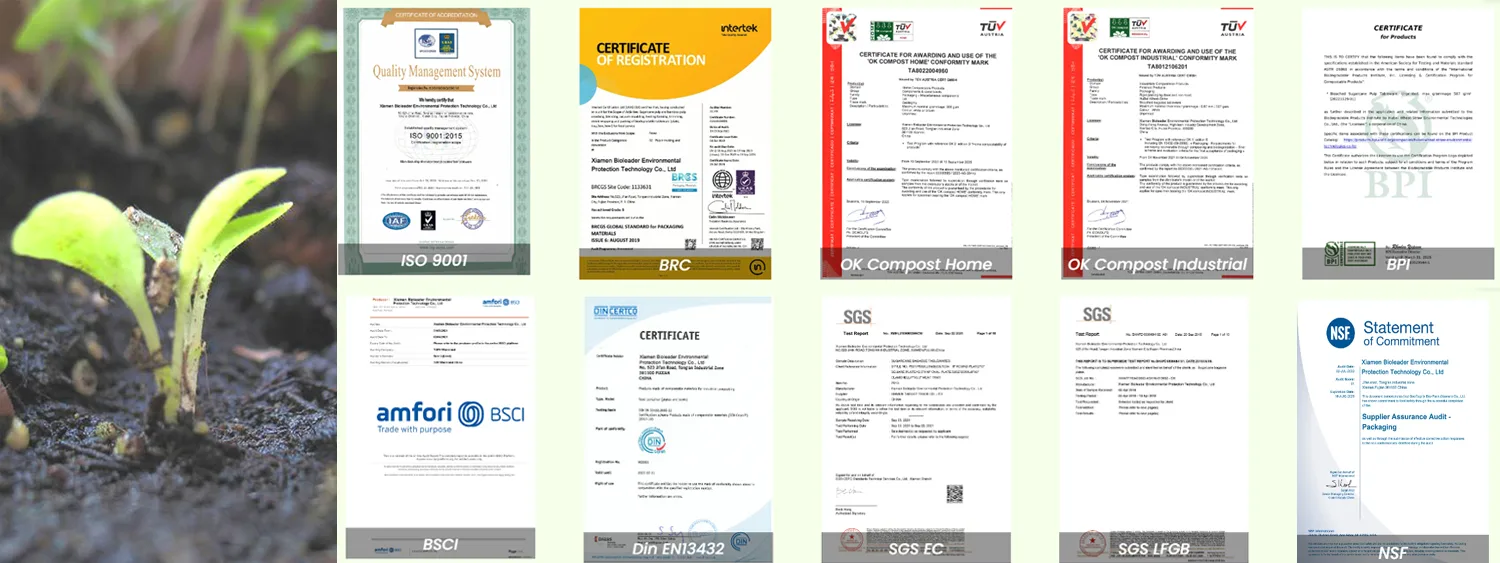
We lead with certification and validate every SKU with third-party reports—covering EN13432/ASTM D6400 (compostability), BPI/TÜV, and LFGB/FDA food-contact. ISO-driven process control and lot-level traceability ensure consistent performance and cross-border compliance.
SKU-specific certificate pack (report ID, validity, model mapping)
Lot traceability with retained samples and full records
IQC / IPQC / OQC multi-gate quality checks
Key metrics: heat/oil resistance, leakproof tests, stacking load, short-cycle microwave
Coverage: EN13432, ASTM D6400, BPI/OK compost, LFGB, FDA 21 CFR, EU 1935/2004 (as applicable)
On request: audit files & latest certificates within 48 hours.
For distributors and importers, this tray supports plastic-reduction programs and sustainable produce packaging strategies across different international markets. Fresh Produce Tray Compared with Plastic and Foam Comparison Item Molded Fiber Fresh Produce Tray Plastic Tray Foam Tray Raw Material Sugarcane fiber, renewable pulp Petroleum-based plastic Petroleum-based foam Environmental Positioning Compostable, plastic-free direction Conventional plastic packaging Weak sustainability image Appearance Natural, matte, premium Glossy, clear or colored Basic and low-cost look Structural Performance Good for fruit, vegetables, and light fresh foods Good depending on resin and design Lightweight but less premium Brand Value Strong eco-friendly image Standard retail packaging perception Often outdated in modern retail End-of-Life Story Better aligned with compostable messaging Recycling or disposal dependent Mostly landfill-oriented Plastic-free Value Yes No No Cost Level Mid-range Low to mid-range Low Main Advantage Sustainable shelf image and natural presentation Familiarity and transparency options Low cost and light weight Main Limitation Not transparent and not designed for heavy liquid foods Plastic reduction pressure Poor environmental reputation Buying Guide When selecting a molded fiber fresh produce tray, buyers should consider more than just size and price. The right tray should match the product category, display needs, packing workflow, and sustainability goals of the retail or distribution program. Important factors include tray dimensions, depth, rigidity, stacking efficiency, carton loading, and compatibility with film wrapping, labeling, or retail-ready shelf systems.
For distributors and importers, this tray is suitable for retail packaging programs that aim to reduce plastic and expand molded pulp solutions. Meat and Poultry Tray Compared with Plastic and Foam Comparison Item Molded Pulp Meat & Poultry Tray Plastic Tray Foam Tray Raw Material Sugarcane fiber, renewable pulp Petroleum-based plastic Petroleum-based foam Environmental Positioning Plastic-free, eco-packaging direction Conventional plastic packaging Weak sustainability image Appearance Natural, matte, premium Glossy, clear or colored Basic and low-cost look Structural Performance Good for meat, poultry, and chilled food display Good depending on resin and design Lightweight but less premium Brand Value Stronger eco-friendly message Standard retail packaging image Often outdated in eco-focused markets End-of-Life Story Better aligned with compostable or eco packaging messaging Recycling or disposal dependent Mostly landfill-oriented Plastic-free Value Yes No No Cost Level Mid-range Low to mid-range Low Main Advantage Natural retail image and plastic-free positioning Familiarity and transparency options Low cost and light weight Main Limitation Not transparent and usually part of a broader packaging system Plastic reduction pressure Poor environmental reputation Buying Guide When selecting a molded pulp meat and poultry tray, buyers should look beyond dimensions and price , 3 compartment containers. The right tray should match product type, retail display format, cold-chain handling needs, wrapping compatibility, and the sustainability direction of the packaging program. Key buying points include tray size, depth, rigidity, stacking efficiency, carton loading, and compatibility with absorbent pads, wrapping film, and retail labeling systems — 3 compartment containers.
It can be used for ready-to-sell snacks and deli food items in retail counters and supermarket foodservice sections.
Its fiber-based appearance fits well with premium, natural, and sustainability-focused food packaging programs.
Restaurants and fast casual operators can use it for dine-out orders, takeaway service, and pre-packed meal combinations , 3 compartment containers.
Join the global movement toward zero-waste packaging.
Bioleader® offers:
📦 Bulk order support & fast delivery
✍️ Custom branding and OEM solutions
🌍 Worldwide eco-packaging compliance
Get the Catalogue Products List & Contact Us Now! 👉