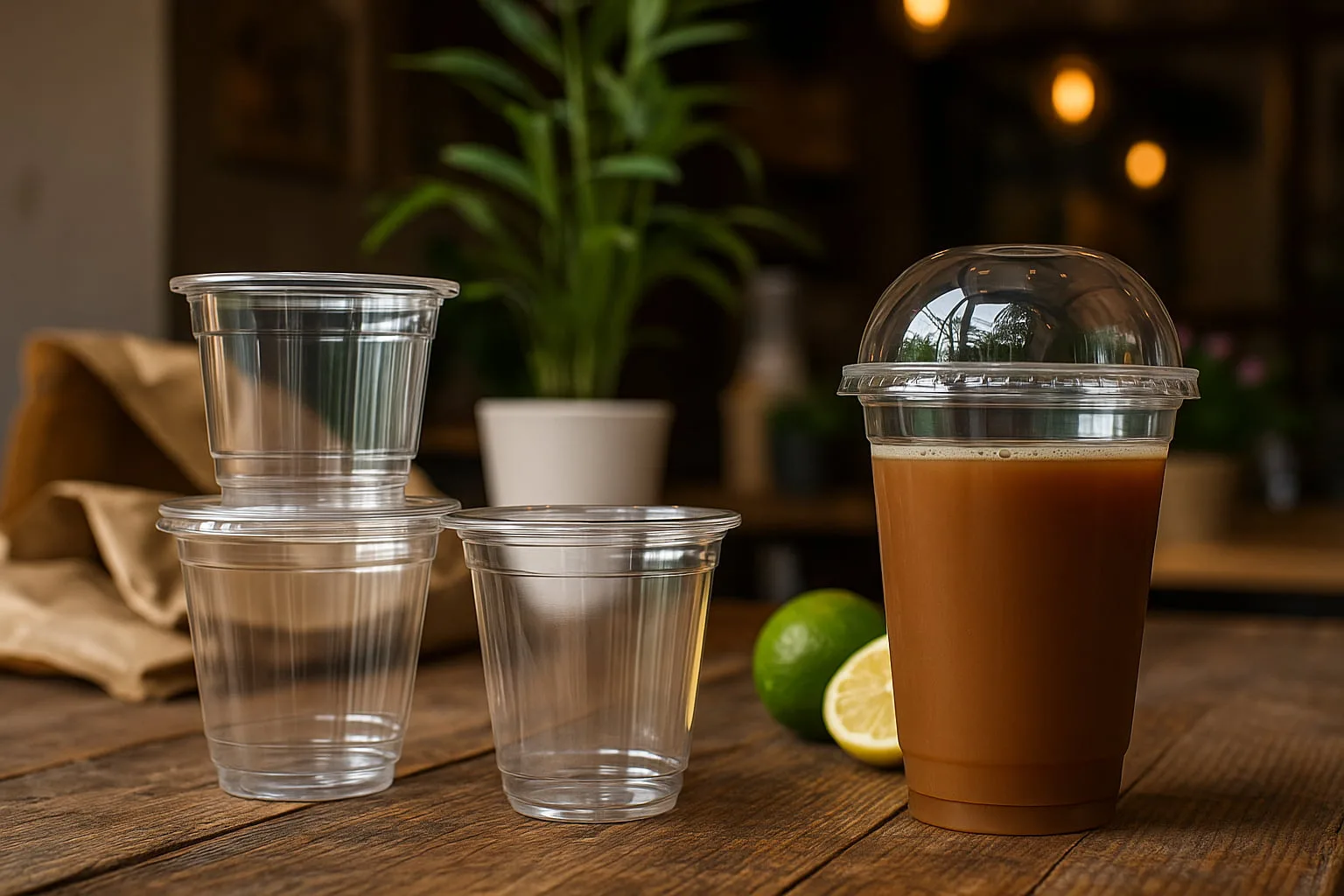
Background — India’s Plastic Ban and the Palani Case
In 2018, India implemented a sweeping ban on select single-use plastics such as bags, plates, straws, and cutlery. This move was widely hailed as a step forward in reducing plastic pollution, especially given India’s mounting waste crisis.
However, enforcement has been uneven. A recent case in Palani, a prominent temple town in Tamil Nadu, illustrates this challenge. The Madurai High Court criticized local authorities for failing to enforce the ban, noting that prohibited items like plastic bags and disposable utensils remain widely available in temple shops and surrounding food stalls.
“There’s a law, but no one seems to follow it,” one local petitioner remarked in court.
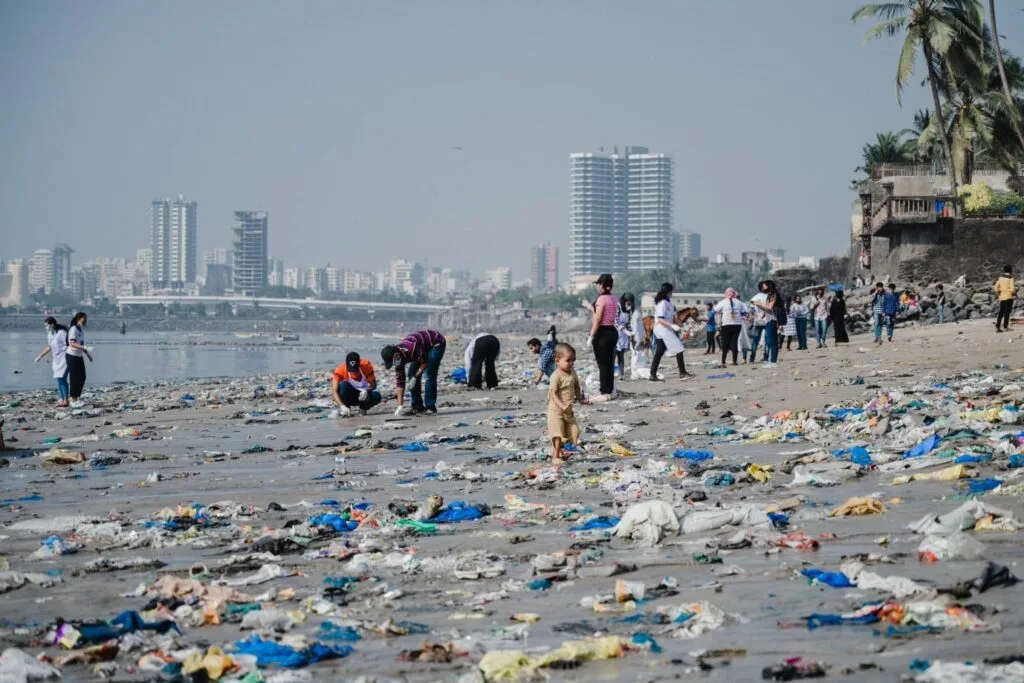
Why Enforcement Fails: From Policy to Reality
Lack of Monitoring and Local Government Action
Despite national policy, enforcement is often left to local bodies who lack resources, training, or motivation. This fragmented governance leads to inconsistent crackdowns and weak compliance.
Vendor Pushback: Cost, Supply, and Convenience
Small vendors often cite the higher cost of biodegradable alternatives and unreliable local supply chains. For many, plastic is still cheaper and more available, especially in tier-2 and rural markets.
Infrastructural Gaps in Composting or Waste Management
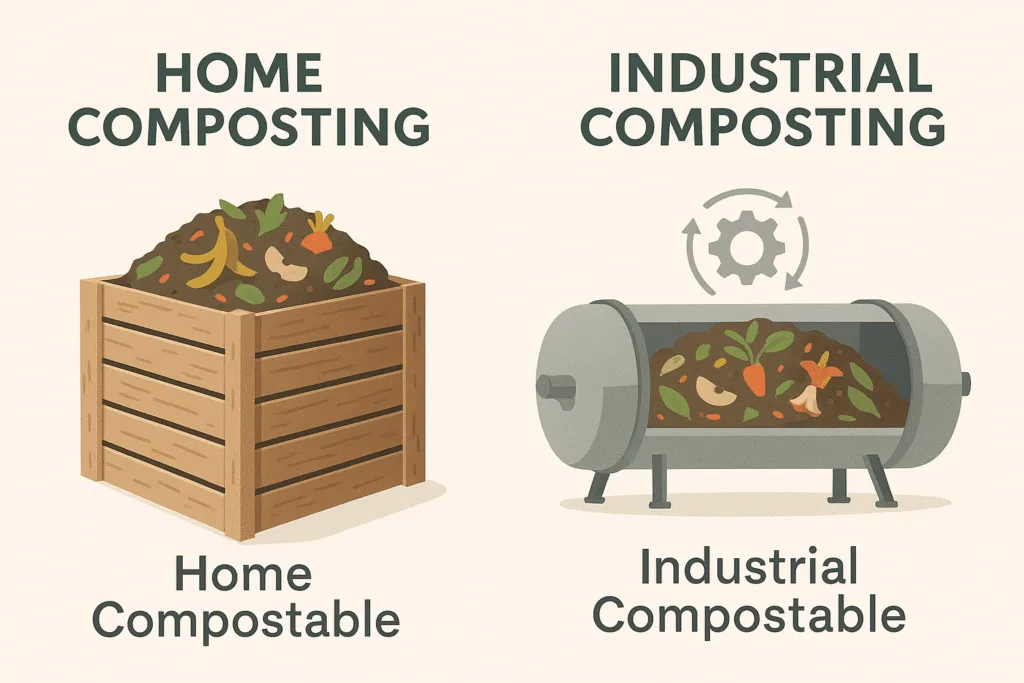
Even where biodegradable products are used, insufficient composting infrastructure means they end up in landfills, defeating their environmental purpose. Municipal support is critical but largely missing.
📊 Figure: Key Barriers to Enforcement in India’s Plastic Ban
| Enforcement Barrier | Description | Impact Level |
|---|---|---|
| Local governance gaps | Poor monitoring, insufficient penalties | High |
| Cost of alternatives | Bio-based products 20–40% more expensive for small vendors | High |
| Lack of awareness | Customers still demand plastic packaging | Medium |
| Infrastructure absence | No industrial composting in most cities | High |
| Policy inconsistency | Some states more lenient or delay implementation | Medium |
A Missed Opportunity — Where Are the Alternatives?
The Gap Between Policy and Product Readiness
India’s ban presumes alternatives are available and affordable, yet many areas lack access to sustainable tableware options. Without government-supported transitions, compliance is wishful thinking.
Public Awareness and Behavior Change Still Lagging
Bans alone don’t change habits. Consumers often unknowingly use banned items or demand them due to familiarity. Behavior change campaigns are notably absent in many states.
Demand-Side Needs: What Vendors Actually Need
Vendors need:
Products that are cost-competitive
Leak-resistant for gravies and curries
Withstand heat (important for Indian food)
Certified safe for food contact
Eco Tableware as a Realistic Solution
Why Eco-Friendly Tableware Solves More Than One Problem
Sustainable tableware isn’t just about replacing plastic — it supports compliance, builds brand trust, and appeals to eco-conscious consumers.
Enter bio-compostable solutions like:
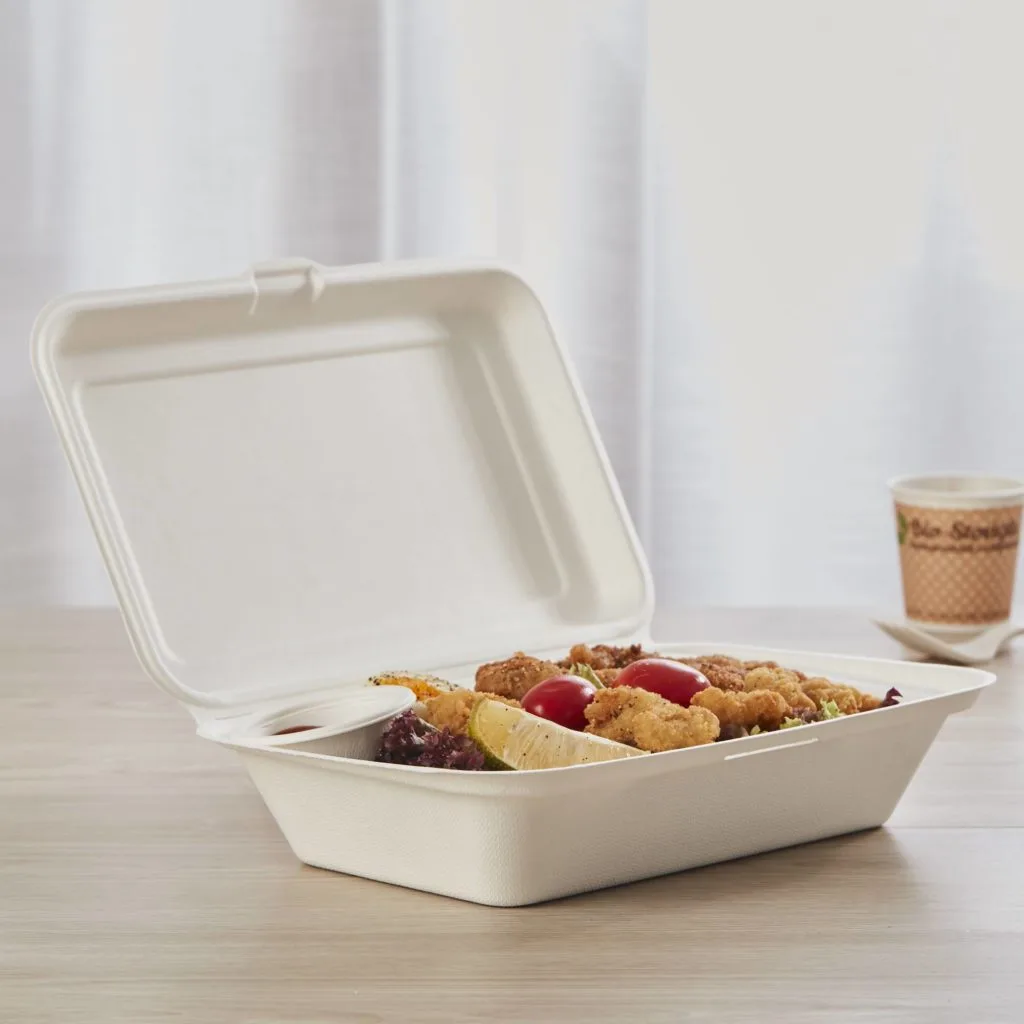
Bagasse bowls: Made from sugarcane waste, heat-resistant, oil-resistant
Cornstarch clamshells: Sturdy, compostable, plastic-free
Compostable cutlery sets: Suitable for both hot and cold items
Bioleader® as a Global Supplier of Certified Compostable Products
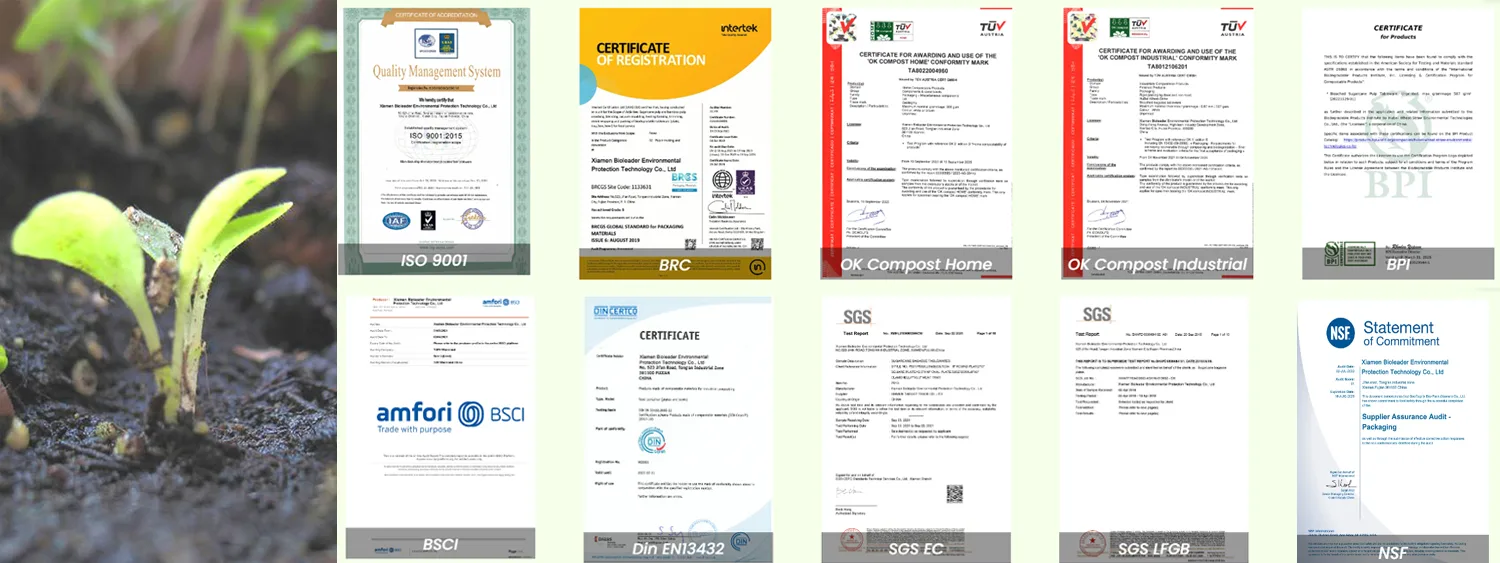
Bioleader®, a leading biodegradable packaging brand, offers fully certified eco tableware that meets both Indian food safety expectations and global compostability standards (BPI, TÜV, EN13432).
Whether it’s temples, festivals, school canteens, or quick-service restaurants, Bioleader’s compostable solutions provide:
Cost-effective bulk supply
Leak- and heat-resistant properties
Support for private labeling and export-ready compliance
Meeting Food-Grade Standards, Cultural Needs, and Pricing
Bioleader®’s bagasse bowls and sugarcane bento boxes are optimized for Indian meals: biryani, sambar, sabji-gravy combos — offering a sustainable solution without compromising on utility.
🧭 Policy Comparison: India vs. Other Nations
| Country | Plastic Ban Scope | Enforcement Approach | Alternatives Encouraged |
|---|---|---|---|
| India | SUPs (bags, plates, straws, etc.) | State-level execution, inconsistent | Some state subsidies |
| Kenya | Total ban on plastic bags | Harsh penalties, strong enforcement | Cloth bags, woven baskets |
| EU | EU-wide SUP directive | Uniform standards, producer responsibility | Bioplastics, fiberware |
| China | Phased ban by category | Retail & restaurant focused | Paper, PLA, bagasse |
| Thailand | Banned imports of plastic waste | Strong customs enforcement | Local industry encouraged |
From India to the World — Similar Enforcement Challenges
Case Study: Kenya’s Bag Ban and Black Market Resurgence
Kenya’s 2017 plastic bag ban is one of the strictest in the world, but enforcement has led to a black market in contraband bags smuggled from neighboring countries. This shows that bans without alternatives can trigger unintended consequences.
Policy Isn’t Enough: What Global Cities Are Learning
Cities like New York and Paris found that combining policy with:
Public awareness campaigns
Support to vendors
Tax incentives for eco products
…resulted in higher success rates.
Sustainable Sourcing + Business Involvement = Long-Term Impact
The private sector must play a role — from offering affordable alternatives to investing in local composting solutions. Brands like Bioleader® are already exporting solutions to 30+ countries, including India.
🔍 FAQ
1. Why is India’s plastic ban not working effectively?
India’s plastic ban faces enforcement gaps due to poor monitoring, lack of public awareness, limited access to eco alternatives, and fragmented policy execution at state levels.
2. What products are banned under India’s single-use plastic policy?
The 2018 policy bans items like plastic bags, plates, cups, cutlery, and straws, aiming to reduce litter and promote eco-friendly packaging solutions.
3. Are biodegradable alternatives like bagasse bowls widely available in India?
While still expanding, brands like Bioleader® supply certified bagasse bowls and compostable containers in bulk, meeting demand from restaurants, caterers, and public events.
4. What are the best alternatives to plastic food packaging in India?
Eco-friendly substitutes include sugarcane bagasse tableware, cornstarch cutlery, and PLA cups—offering compostability and heat resistance suited to Indian cuisine.
5. How can vendors switch to plastic-free packaging affordably?
Partnering with suppliers like Bioleader® allows access to cost-effective, certified biodegradable packaging that complies with India’s regulations and global food safety standards.
Conclusion — The Future of Bans Lies in Practical Execution
Laws don’t enforce themselves. India’s plastic ban reveals the risk of setting policy without preparation. Real change requires:
Better enforcement and monitoring
Government support for eco transitions
Private companies supplying accessible alternatives
Bioleader® isn’t just a supplier — it’s part of the execution solution. With compostable, certified, and cost-effective alternatives, India’s vendors and regulators finally have the tools they need to turn policy into progress.
References
Madurai court pulls up officials over use of banned plastics in Palani – Times of India
https://timesofindia.indiatimes.com/city/madurai/plea-to-strictly-implement-ban-on-plastic-in-palani/articleshow/121810934.cmsSingle-Use Plastics Ban in India: Implementation and Impact – Press Information Bureau, Government of India
https://pib.gov.in/PressReleasePage.aspx?PRID=1831380Plastic Pollution – United Nations Environment Programme
https://www.unep.org/interactives/beat-plastic-pollution/Plastic Waste Management Rules, 2016 (as amended 2022) – Ministry of Environment, Forest and Climate Change
https://moef.gov.in/plastic-waste-management/Bioleader® Official Website – Biodegradable Food Packaging Products
https://www.bioleaderpack.com/Kenya’s Plastic Bag Ban Shows the World How to Tackle Pollution – World Economic Forum
https://www.weforum.org/agenda/2019/04/kenya-plastic-ban-success-story/EU Single-Use Plastics Directive Explained – European Commission
https://environment.ec.europa.eu/topics/plastics/single-use-plastics_en