Among all foodservice businesses, noodle and soup shops face some of the toughest packaging challenges. Unlike salads or dry foods, noodle soups involve high temperatures, steam pressure, oil-rich broths, and heavy liquid weight—all of which can easily destroy poorly designed containers. A slight leak or lid failure can ruin an entire order, damage brand reputation, and trigger negative reviews across delivery apps.
Meanwhile, global demand for ready-made noodles, ramen bowls, pho, tom yum, and Asian-style soups continues to rise. With this growth comes an urgent need for more advanced to-go packaging that can handle transport pressure while staying aligned with PFAS-free and sustainability regulations emerging across North America, Europe, and Asia.
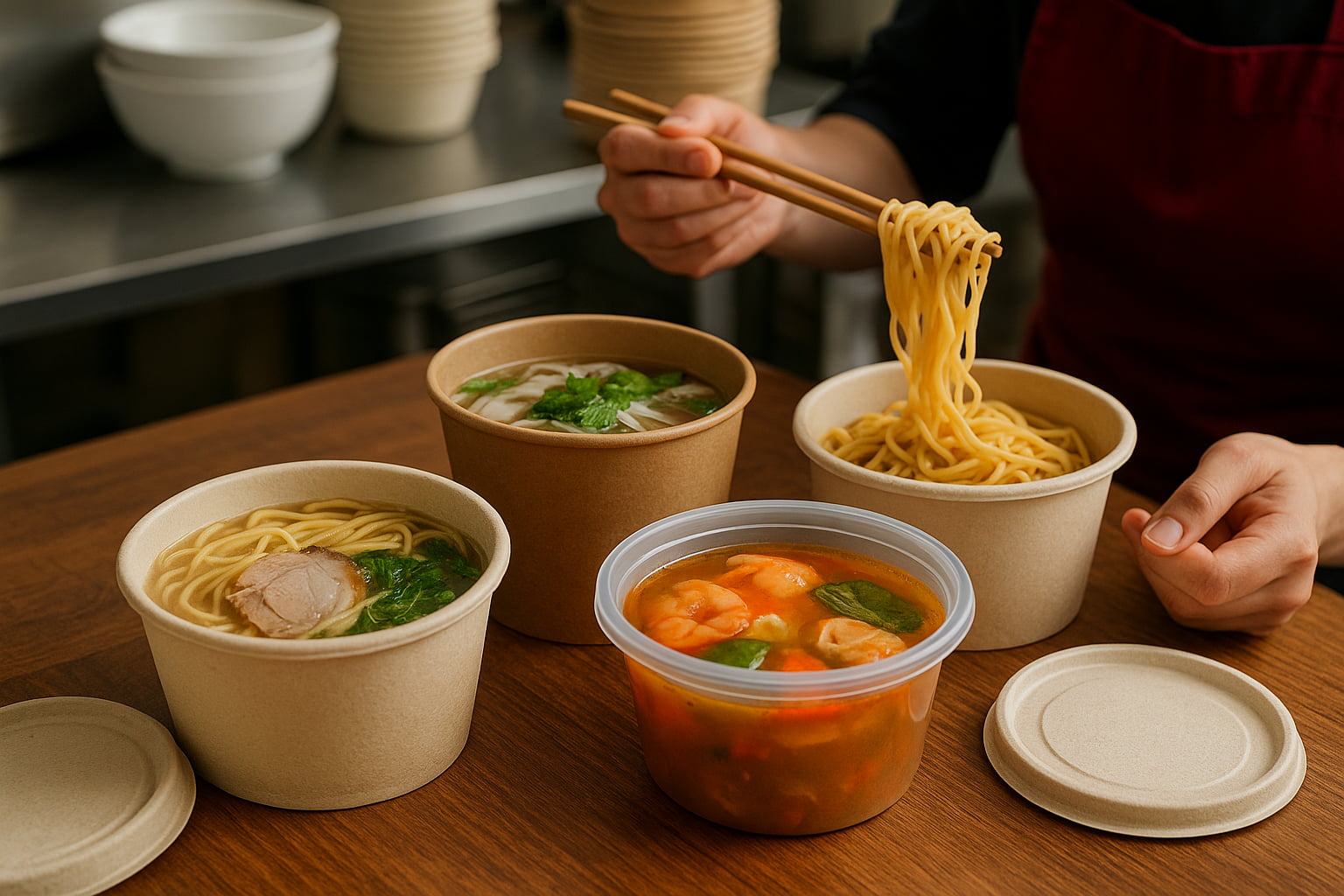
This guide focuses specifically on how noodle and soup shops can choose the right disposable takeout containers based on material science, structural engineering, temperature performance, and branding alignment—while comparing bagasse soup bowls, kraft paper soup containers, and traditional plastic bowls.
Why Noodle & Soup Shops Face Unique Packaging Challenges
High Heat and Steam Pressure for Hot Liquids
Noodle soups often leave the kitchen at 70–95°C, generating strong internal steam pressure that pushes against the lid. Disposable takea out containers must resist warping or softening, otherwise spills become unavoidable during delivery.
Oil Content, Seasonings, and Broth Stability
Broths—especially ramen tonkotsu, Sichuan spicy soup, laksa, or tom yum—contain chili oil, fat, and herbs that can quickly penetrate weak materials. Oil resistance and coating technology directly impact structural stability.
Delivery Distance and Motion Sensitivity
During delivery, containers tilt, shake, and compress. Compared with solid foods, a 600–900 ml soup portion amplifies movement risk. Thin-walled plastic or low-quality paper bowls often collapse under liquid load.
Customer Expectations for Temperature Retention
Hot foods require insulation. A good noodle soup must reach customers hot—not lukewarm. Material choice, double-wall engineering, and lid fit all influence heat retention.
Understanding the Core Requirements of To-Go Containers for Noodles & Soups
Heat Resistance and Anti-Scald Performance
To-go soup containers must tolerate direct contact with hot broth without structural softening. Meanwhile, external insulation is essential for preventing customer scalding, especially for walk-in takeaway.
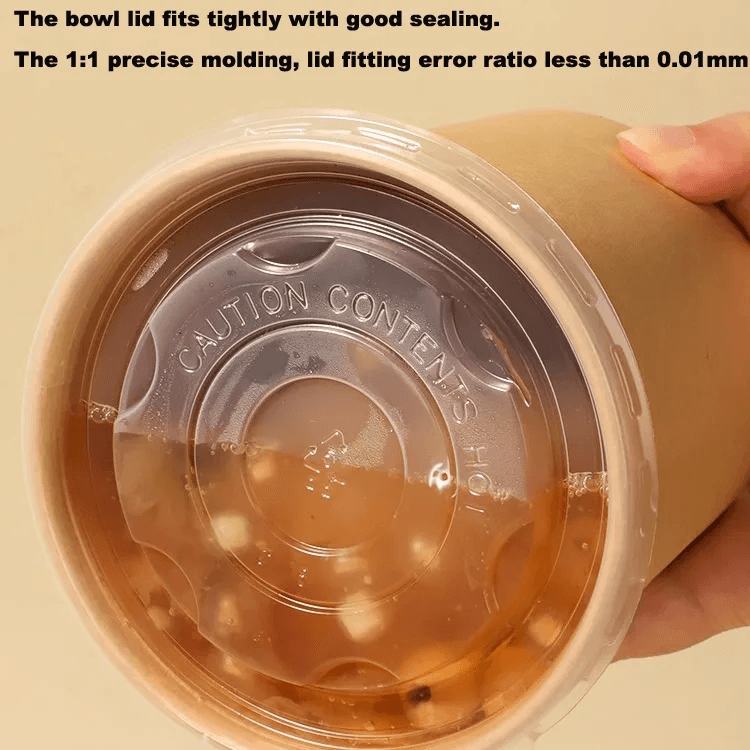
Leak-Proof Engineering and Seal Strength
Leakage remains the #1 complaint among noodle shop customers. A proper container must include:
deep snap-fit lid structure
anti-spill locking ring
durable rim rigidity
anti-overflow design
Even minor lid gaps can cause catastrophic failures with liquid foods.
|
|
Odor Barrier and Flavor Preservation
Strong broths—like beef pho, miso ramen, and spicy noodle soups—release intense aromas. Packaging must prevent odor escape while also ensuring flavors do not degrade during storage and delivery.
Structure Stability Under High Liquid Weight
A filled noodle soup container can weigh 500–900 grams. Materials like bagasse or double-wall kraft paper bowls maintain shape under weight, while low-grade plastics often deform.
Material Options for Noodle & Soup To-Go Containers
Bagasse Soup Bowls (Sugarcane Fiber for High-Heat, High-Oil Soups)
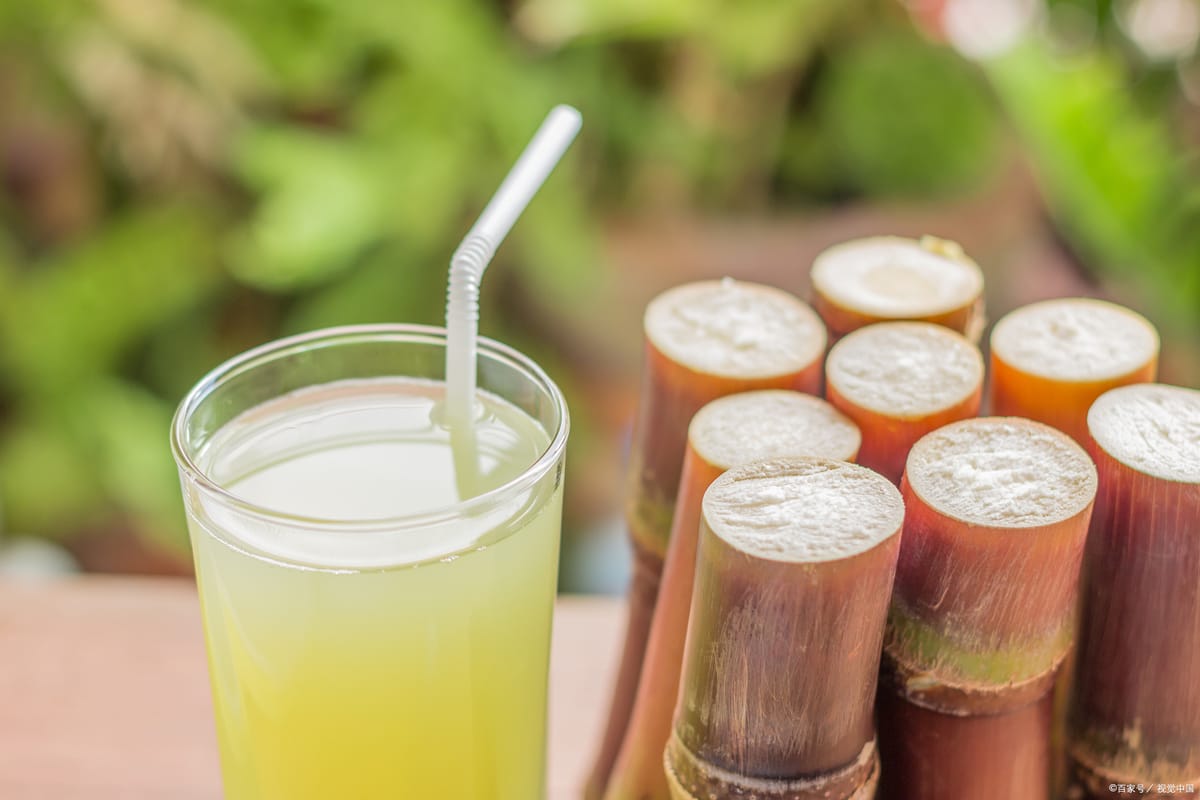
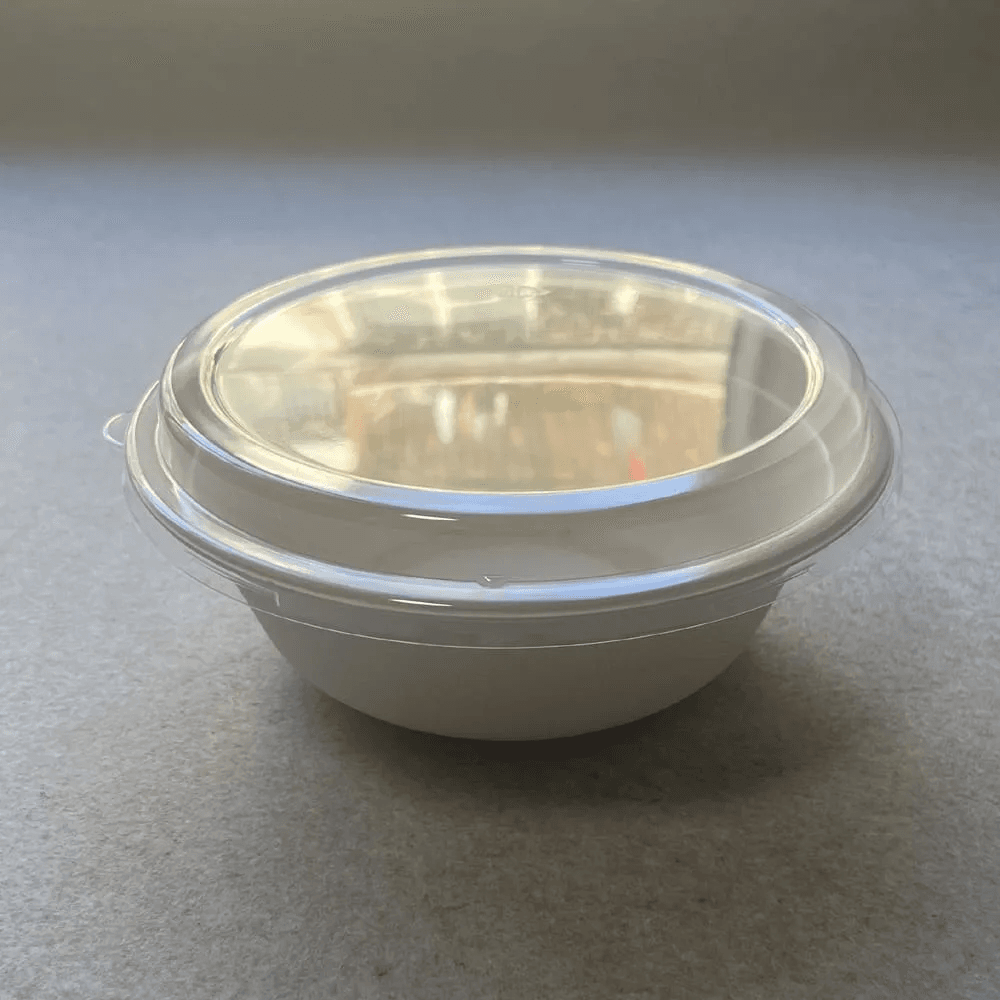
Bagasse is a natural fiber made from sugarcane pulp. It has quickly become a preferred choice for premium noodle shops because of its superior heat and oil resistance.
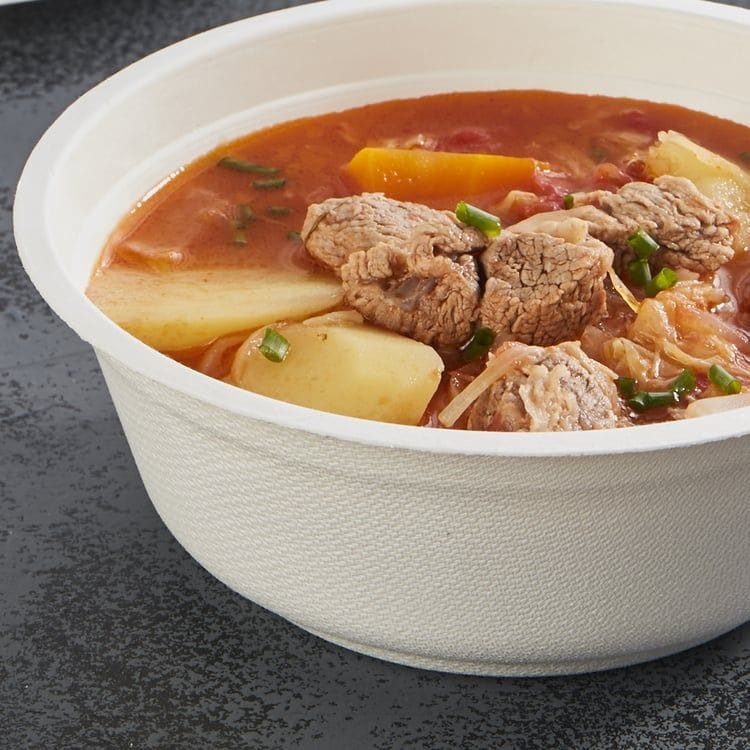
Key advantages include:
withstands 100°C liquids
maintains rigidity even under full broth load
excellent oil resistance
PFAS-free and fully compostable
pairs well with CPLA or bagasse lids
performs well in long-distance delivery
Bagasse soup bowls are ideal for:
Japanese ramen
Vietnamese pho
Chinese mala soup noodles
Thai tom yum
Heavy tonkotsu broth
The only limitation is its opaque appearance, which provides a rustic eco-friendly feel but reduces visual presentation.
Kraft Paper Soup Containers (Double-Wall & PE/Water-Based Coating Options)
Kraft paper soup bowls offer strong branding value and a recognizable “authentic Asian cuisine” aesthetic. They balance durability, anti-scald protection, and cost efficiency.
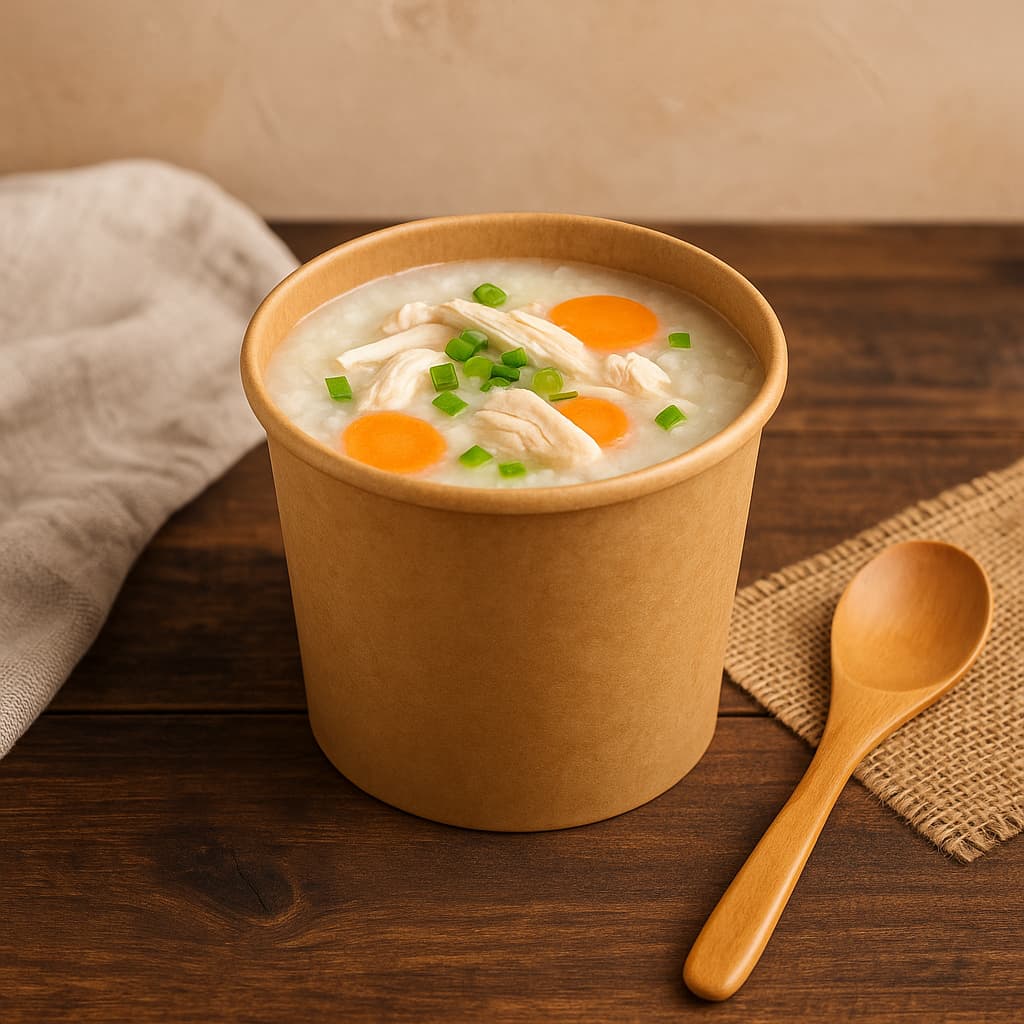
Key performance features:
natural kraft texture preferred by premium noodle bars
anti-scald feel with double-wall designs
compatible with vented paper or PP/CPLA lids
moderate oil resistance when using water-based or PE coating
stackable and space-efficient
Best for:
herbal soup noodles
chicken ramen
Malaysian curry noodles
Chinese soup noodles
medium-oil dishes
Limitation: kraft paper is less suitable for extremely oily, chili-based, or long-hold soups unless paired with proper coating and high-density structure.
Traditional Plastic Soup Containers (PP / PET / PS)
Traditional plastic remains widely used, especially PP containers, due to excellent heat resistance and leak-proof sealing—although regulatory pressure is reducing its use.
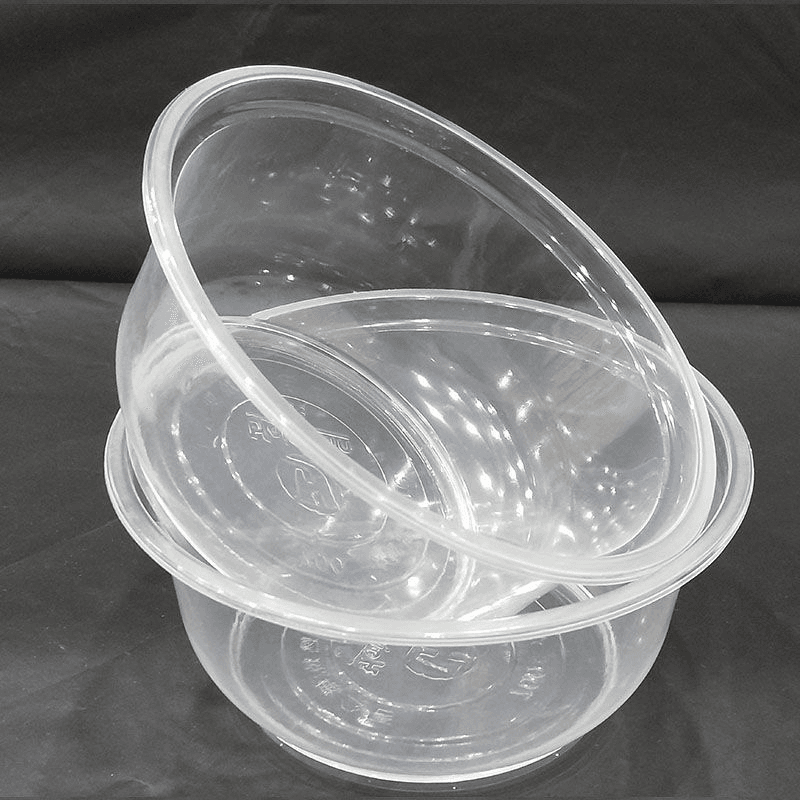
Advantages:
highest heat tolerance (PP can withstand 120°C)
best sealing performance
transparent options improve presentation
widely available and cost-effective
Limitations:
non-biodegradable
increasing restrictions from EU directives and U.S. states
weaker sustainability branding
potential flavor-lock issues
PP containers remain popular with small shops but are gradually being phased out by eco-focused brands.
Comparative Summary — Which Material Should Noodle Shops Choose?
Bagasse →
Best for premium brands, hot & oily soups, sustainability messaging, and long-distance delivery.
Kraft →
Best for mid-range shops, medium oil soups, and businesses prioritizing natural branding aesthetics.
PP Plastic →
Suitable for budget-sensitive outlets, extremely hot broths, or regions with fewer regulations—but less future-proof.
Regulatory trend:
Bagasse and kraft are growing fastest due to PFAS-free and single-use plastic restrictions worldwide.
Matching Popular Noodle Dishes with the Right Packaging
Different noodle dishes behave differently during transport, and each requires a specific container performance profile. Understanding this allows noodle and soup shops to prevent leakage, protect broth clarity, and maintain the intended flavor and texture even after a 30–45 minute delivery journey.
Japanese Ramen & Tonkotsu
Ramen—especially tonkotsu—contains collagen, fats, and chili oils that separate easily when the temperature drops. These soups are extremely hot, dense, and heavy, placing significant stress on container walls. The broth can reach boiling temperatures when packed, releasing strong steam pressure inside the container.
Ramen shops therefore need thick-walled, heat-resistant bowls that won’t soften or distort. Sugarcane bagasse bowls perform exceptionally well here, maintaining rigidity even when filled with nearly a liter of broth.
Vietnamese Pho & Clean Broths
Pho bowls are large, aromatic, and clear. Customers expect the soup to arrive steaming hot with its broth clarity intact. Because pho contains herbs, star anise, meat slices, and rice noodles, maintaining the broth’s separation and preventing lid condensation is crucial.
Double-wall kraft paper bowls with vented lids reduce cloudiness and prevent odor escape, keeping the broth fragrant and visually appealing.
Chinese Noodles (Chongqing, Mala, Oil-Pour Noodles)
Spicy Chinese noodle dishes include chili oil layers, peppercorns, meats, vegetables, and dense noodles. These soups are intensely oily, and poorly coated bowls quickly absorb or soften under oil exposure.
Bagasse food containers offer the best oil resistance for these dishes. Alternatively, high-density polypropylene bowls are sometimes used for cost-sensitive operations, but offer no sustainability benefits.
Thai Tom Yum, Coconut Soups, and Southeast Asian Broths
Tom Yum and coconut-based soups contain acids, oils, and herbs. Their strong aroma can be overpowering if the lid does not seal properly. They also require containers that prevent flavor transfer or sorption into the bowl material.
Bagasse bowls with secure snap-fit lids or double-coated kraft paper bowls handle both acidity and oil content reliably.
Dry Noodle + Soup Combination Meals
Many Asian dishes serve noodles dry and broth separately. In these cases, shops often use two containers—a kraft or bagasse bowl for noodles and a high-strength soup cup for broth. The broth must be packed so it doesn’t spill, while dry noodles must stay separate to retain springiness.
This two-container system is ideal for:
Malaysian curry noodles
Japanese tsukemen
Taiwanese beef noodles
Chinese oil-pour noodles
Engineering the Perfect Lid for Hot Noodles and Soups
Lid structure can determine the success or failure of a to-go soup order. A well-engineered lid affects not only leak prevention but also temperature, aroma retention, and even customer perception.
Steam Venting and Pressure Control
Hot soup produces steam that quickly increases internal pressure. Without proper venting, the lid can rise, dome, or fully pop off—a disaster during delivery. Vented lids allow steam to escape while maintaining adequate seal strength.
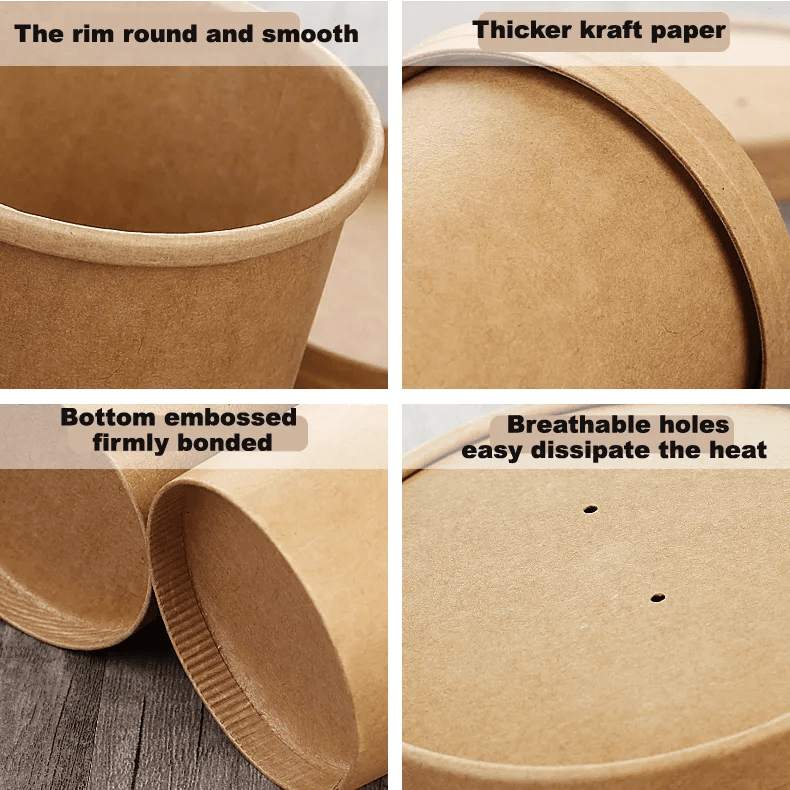
Double-Seal Anti-Leak System
Liquid foods require lids with deep grooves and reinforced rings. This reduces side-leakage, especially when delivery bags tilt or shake. High-end bagasse or PP lids often use dual-lock engineering.
Stackability for Busy Kitchens
Most noodle shops prepare multiple orders at once. Containers must withstand stacking without collapsing. Good packaging protects both the top and bottom bowls during handling.
Anti-Fog Lid Designs
Clear lids allow customers to preview their food. But hot soups easily fog up lids, reducing visibility. Anti-fog or semi-vented lids keep presentation clear—a major advantage for delivery platforms where food appearance influences purchase decisions.
Temperature Performance and Delivery Simulation
Hot soups lose quality rapidly. A 10°C drop significantly affects perceived flavor and comfort. High-quality to-go containers must balance insulation, durability, and moisture control.
Heat Retention
Bagasse and double-wall kraft paper bowls can maintain heat significantly longer than standard plastic containers. High-quality materials help noodle shops deliver soups that customers perceive as freshly prepared.
Motion & Spill Simulation
Delivery routes involve braking, acceleration, sharp turns, and bag tilting. Packaging must pass:
vibration tests
tilt tests
impact tests
long-distance transport simulations
Restaurants that switch to stronger materials typically see a reduction in spill complaints by 40–60%.
Compression Strength
Stacking tests simulate crowded delivery bags or riders placing multiple orders together. Structural collapse is more likely with thin-walled containers. Bagasse resists compressive force better than single-wall plastic bowls.
Sustainability Requirements for Hot-Food Packaging
The regulatory landscape for food packaging is changing rapidly. Noodle and soup shops must prepare for:
PFAS bans
plastic reduction regulations
mandatory compostability labeling
stricter global food-contact standards
PFAS-Free Requirements
PFAS chemicals migrate more easily in hot foods. This is a major regulatory concern, especially with oily broths. Bagasse and high-grade kraft paper with water-based coatings provide PFAS-free alternatives.
Compostability Standards
Soup containers must remain safe and compostable even after exposure to extreme temperatures. Bagasse meets this requirement more reliably than coated plastics.
FDA & LFGB Food-Contact Requirements
Both ensure that containers remain safe even when exposed to hot, oily, or acidic broths frequently used in Asian cuisine.
Cost Efficiency and SKU Management for Noodle & Soup Shops
Noodle shops consume more packaging per day than most other foodservice categories, making cost efficiency essential.
One-Lid Multi-Size Systems
Using a universal lid for multiple bowl sizes reduces inventory management complexity.
Carton Optimization
High nestability reduces freight cost—a major advantage when buying wholesale.
Operational Efficiency
A strong container reduces accidental breakage during rush hours, decreasing waste and saving costs.
Supplier Reliability
Shops need suppliers who can consistently deliver large quantities. Bagasse and kraft bowls from reputable manufacturers offer stable performance.
Case Studies: How Packaging Upgrades Improved Noodle Shops
Ramen Chain: 60% Fewer Leak Complaints
After switching to bagasse bowls and tight-fit compostable lids, a multi-city ramen chain significantly reduced spill incidents during delivery.
Pho Restaurant: Higher Ratings After Adopting Vented Lids
Steam vents prevented broth clouding and maintained flavor integrity. Delivery app ratings improved as a result.
Southeast Asian Noodle Bar: Brand Uplift from PFAS-Free Kraft Bowls
Customers reported increased trust and appreciation for safe, plastic-free packaging.
How to Choose the Right To-Go Container Manufacturer
Choosing the right manufacturer requires evaluating:
expertise in hot-food packaging
access to multiple materials (bagasse, kraft, PP, CPLA)
custom printing capabilities
PFAS-free and compostable certifications
stable large-volume supply
Partnering with a reliable supplier ensures consistent performance and brand reputation.
Implementation Roadmap for Packaging Upgrade
A successful packaging transition involves:
Reviewing menu heat and oil profiles
Testing materials with real noodle and soup dishes
Conducting delivery stress simulations
Running pilots in key stores
Rolling out across all branches
FAQ
1. Why do noodle soups need special containers for takeout?
Hot soups generate steam, pressure, and heavy liquid weight that demand stronger materials and engineered lids to prevent leaks and temperature loss.
2. Are bagasse bowls suitable for boiling-hot noodle soups?
Yes. Bagasse bowls tolerate high heat, resist oil penetration, and stay rigid during delivery, making them ideal for ramen, pho, and spicy Asian noodle dishes.
3. Do kraft soup containers work well for delivery?
Kraft soup bowls with double-wall construction and water-based coatings retain heat well and offer an eco-friendly, anti-scald experience for medium-oil soups.
4. Are plastic soup containers still allowed?
PP plastic is still widely used and tolerated at high temperatures, but global regulations are pushing restaurants toward biodegradable alternatives such as kraft and bagasse.
5. How can noodle shops prevent soup leakage during delivery?
Using containers with strong snap-fit lids, vent holes for steam release, and high-rigidity materials significantly reduces leakage during transport.
References
“Heat Performance of Fiber-Based Soup Containers” — Packaging Science Review, 2024.
“Global Noodle Delivery Packaging Benchmark Report” — Foodservice Logistics Board, 2025.
“PFAS-Free Packaging Regulations Update” — Environmental Compliance Digest, 2024.
“Bagasse vs Plastic: Hot-Food Container Strength Test” — Dr. L. Morrison, Materials Lab Journal, 2025.
“Consumer Perception of Eco-Friendly Noodle Packaging” — Asian Market Insights, 2023.
“Structural Failure Analysis of Soup To-Go Containers” — Food Packaging Lab, February 2024.
Strategic Insight Loop: How Noodle & Soup Shops Should Choose the Right To-Go Containers
How heat, oil, and delivery conditions redefine packaging design: Hot noodle and soup dishes create a complex interaction of steam pressure, liquid density, and high-fat content. This means packaging must function as more than a vessel—it becomes a thermal shelter, a pressure-management device, and a structural stabilizer. Shops that overlook this engineering reality often face leakage, sogginess, broth clouding, and temperature loss.
Why material science determines real-world performance: Sugarcane bagasse provides unmatched heat stability and rigidity for broth-heavy dishes like ramen, pho, and tom yum. Kraft paper bowls excel in insulation and customer comfort but require high-quality coatings for oil-heavy soups. Traditional PP plastic still offers extreme heat tolerance but creates brand and regulatory conflicts as global markets move toward PFAS-free and compostable standards.
What successful brands do differently: High-performing noodle shops adopt a “menu-to-material” approach. Instead of using one type of bowl for everything, they map each dish category to the appropriate container. Light broths go into insulated kraft bowls; spicy and oily noodles rely on bagasse; combo meals use dual-container systems; premium sets often pair CPLA lids with fiber-based bowls to boost perceived value.
Options for operational efficiency and cost reduction: Choosing a one-lid multi-size system reduces inventory pressure. High-nesting kraft or bagasse bowls improve carton density and lower shipping cost. Shops that partner with manufacturers offering both bagasse and kraft SKUs streamline reordering and maintain consistent branding across all menu categories.
Considerations for regulatory compliance and future-proofing: With PFAS bans expanding across California, the EU, Canada, and Southeast Asia, shops must transition to certified PFAS-free packaging. Eco-friendly materials also support ESG reporting, which is becoming a requirement for franchise operators and cloud kitchen groups. Choosing the right packaging isn’t only a marketing gesture—it is a compliance strategy.
Market trends shaping the next generation of noodle packaging: Leading brands are adopting hybrid eco systems—bagasse for hot soups, kraft for medium-oil dishes, CPLA for lids and cutlery—to balance performance, sustainability, and cost. AI-driven food delivery apps increasingly prioritize packaging quality in customer satisfaction algorithms, making high-performing containers a real driver of repeat orders.
Bottom line: The best to-go containers for noodle and soup shops are those engineered around the real physics of heat, steam, and movement. When shops align material choice with dish behavior, delivery patterns, and sustainability standards, packaging becomes a strategic advantage—not an operational burden.